


Articles
Chinácota: a destination to be discovered at your own pace
.webp)
There are places you arrive at with a clear plan. With a mental list of things to do, sites to visit, and photos to take. Places where time seems to be measured by completed activities. And then there are others, like Chinácota, where all of that loses a bit of its meaning.
Because here, rather than following an itinerary, what is truly worthwhile is allowing yourself to slow down. Perhaps that is why, when someone returns from Chinácota, they rarely start by listing everything they did. Instead, they talk about how they felt. About the tranquility, the climate, and how differently time is experienced up there. From the moment you arrive, something changes.

.webp)
The air is fresher, yes, but it’s more than that. It’s as if the noise is left behind, as if your body understands, before your mind does, that it no longer needs to rush. That first moment, when you step out of the car and breathe differently, usually marks the beginning of everything. From then on, plans start to lose their rigidity, because in Chinácota, you don’t need to look too hard to find something to do. Sometimes, it’s enough to just go for a walk without a set destination. No maps, no expectations, no pressure to "make the most of your time."
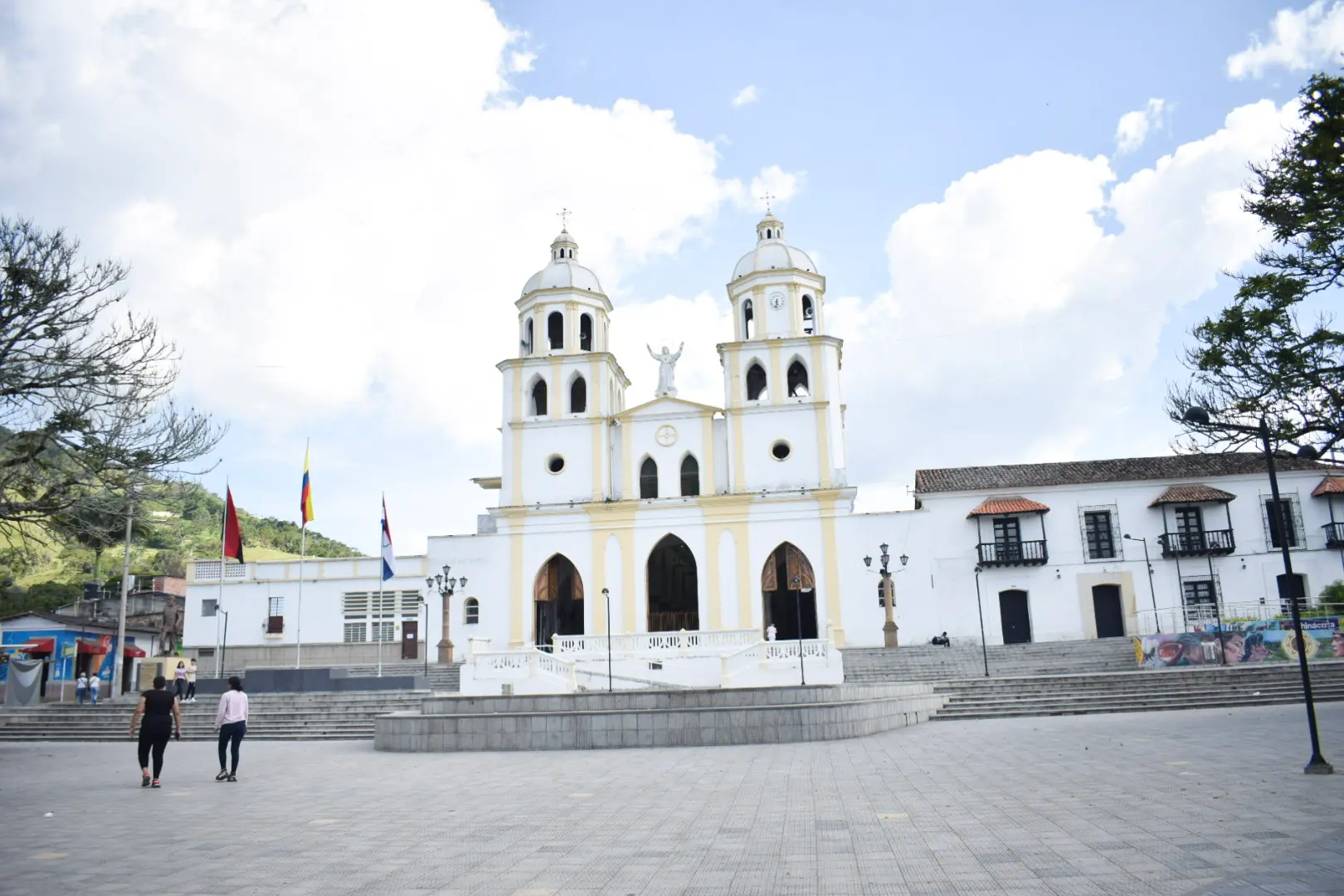
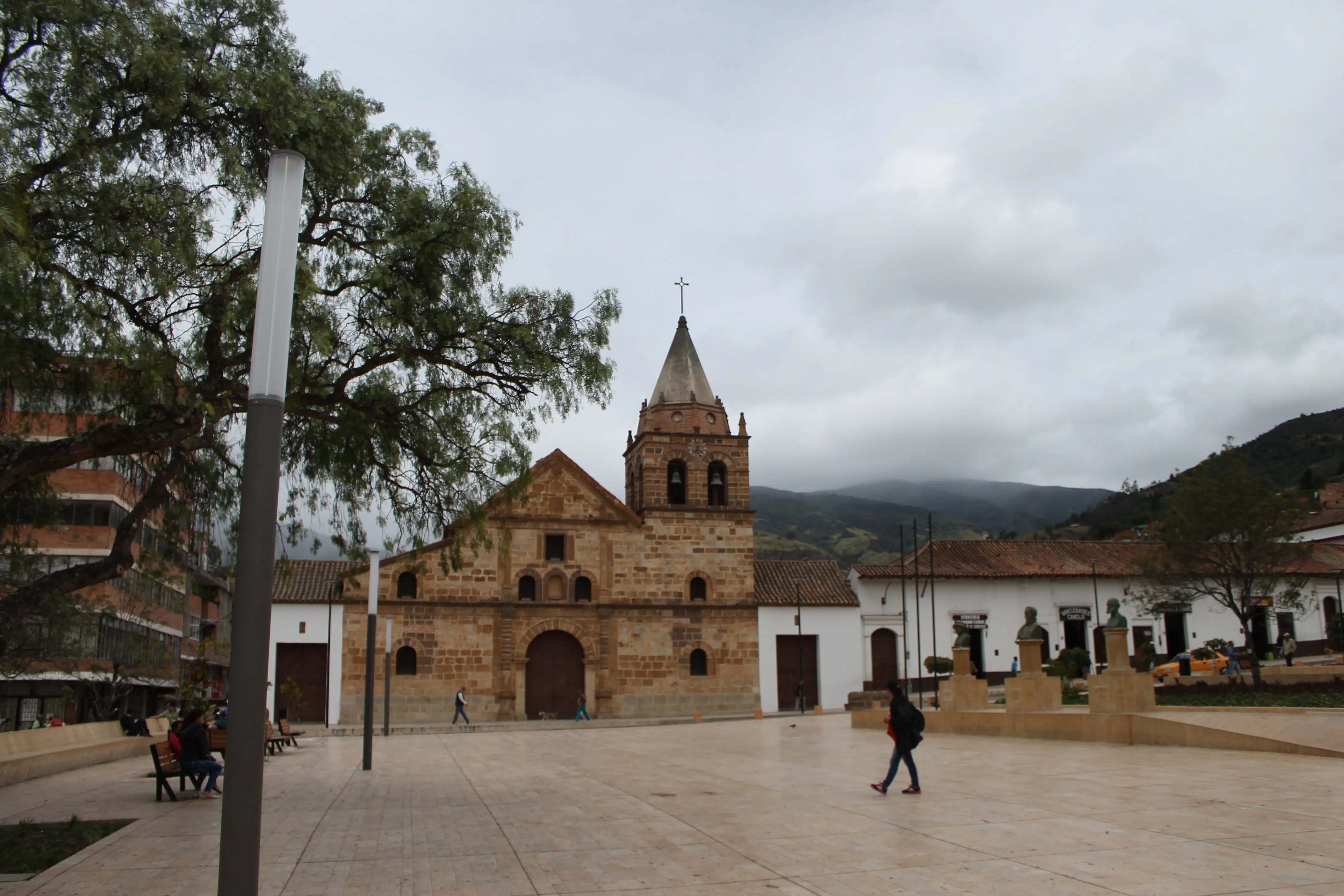
Walking through its streets has a unique quality. It’s not just moving; it’s observing. It’s noticing details that would normally go unnoticed: an old facade, a small shop, the distant sound of a conversation, the calm with which everything seems to happen. Little by little, you realize you don’t need much more, and when that rhythm starts to feel natural, another of the place’s great gifts appears: its surroundings.
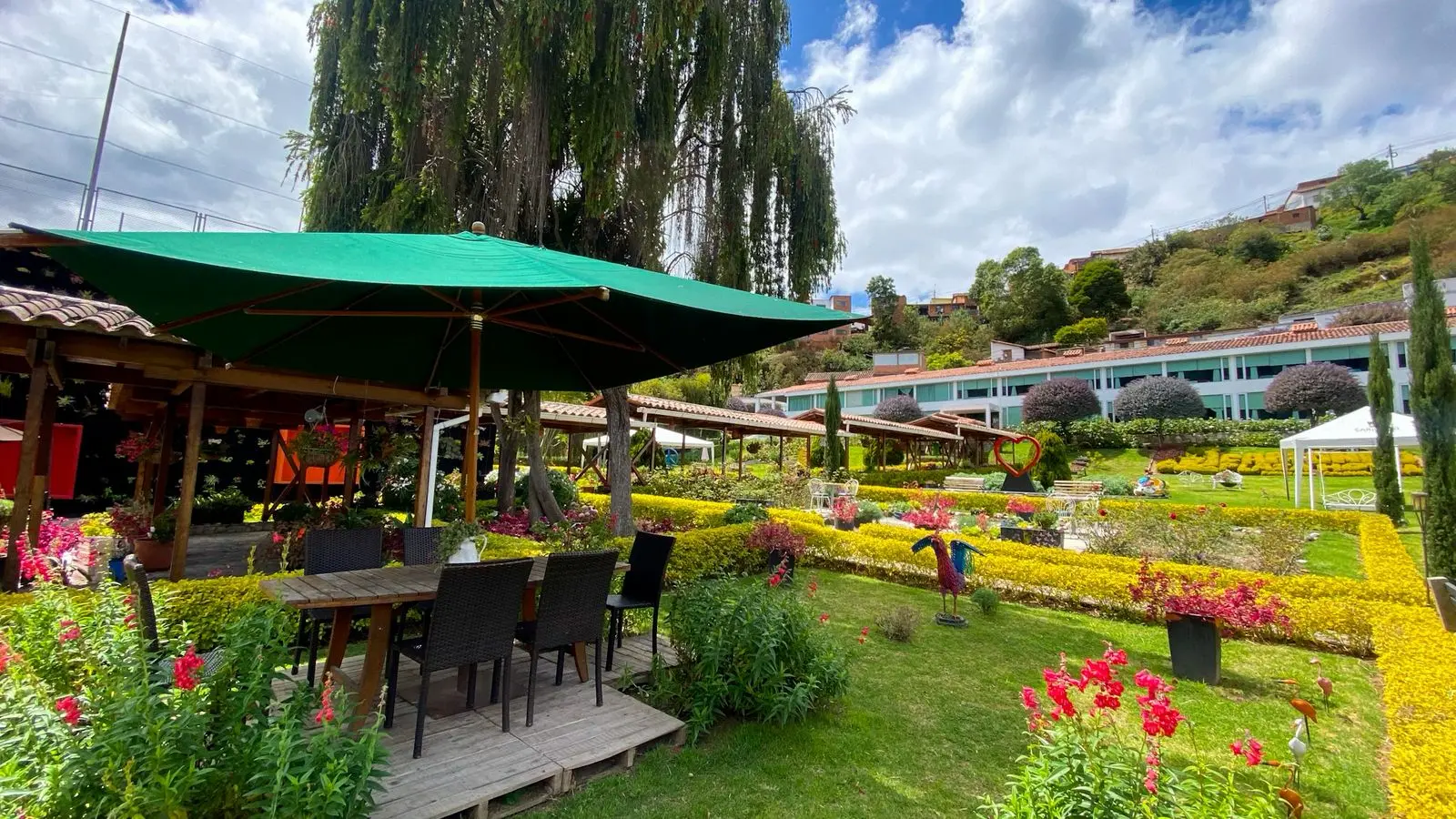
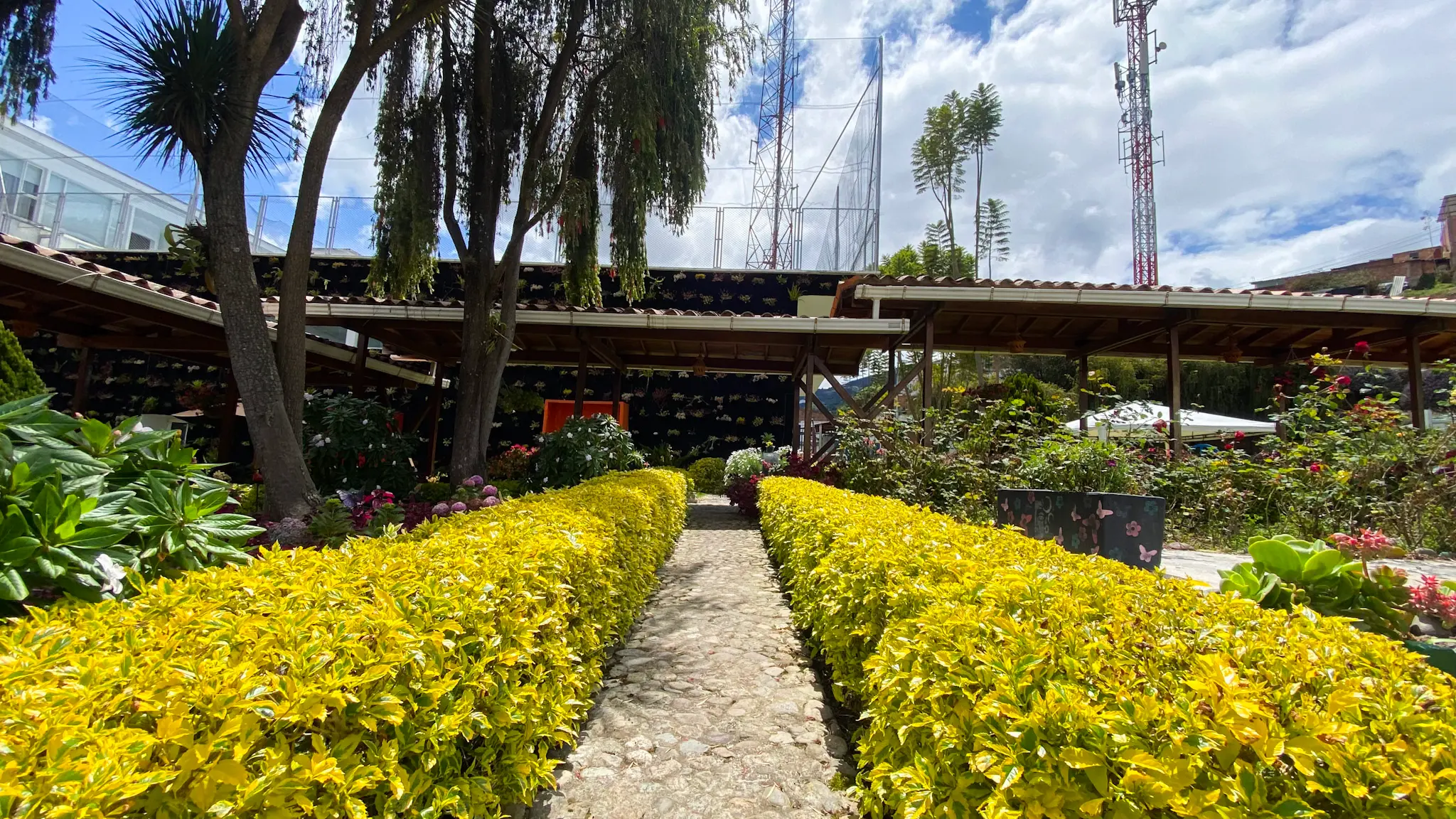
Chinácota is surrounded by greenery, mountains, trails, and clean air. And you don’t need to be an adventurer or plan a demanding hike to enjoy it; sometimes the most valuable things are the simplest: choosing a path, walking without haste, stopping when the landscape calls for it, and breathing. It may sound basic, even obvious, but in the daily routine, it’s rarely done for real. Here, it is.
And perhaps that is why those moments—the quietest, the most silent ones—end up being the most memorable. As the hours pass, your body is already in a different tune, slower, more present. And that is exactly when other small pleasures start to gain importance, like food, for example. Because in Chinácota, eating is not just a necessity. It’s part of the plan, even if it isn't written down. It’s sitting down without rushing, looking at the menu calmly, and chatting while the dish arrives. It’s tasting, sharing, and staying at the table a little longer without feeling like you have to leave. It doesn’t matter so much what you choose, but how you experience that moment, and the same goes for something as simple as having a coffee.
In the city, it’s almost automatic: quick, on the go, between one thing and another. Not here. Here, a coffee can become a real pause, an excuse to stop, to look around, to simply be.
The climate helps, of course. That cool temperature that invites you to stay a little longer. But it also helps that, for a moment, there is no rush. It’s curious how something so small can feel so different, perhaps because, without realizing it, you’ve already started to disconnect—not from everything, but from enough. From the constant noise, the need to check your phone every five minutes, and the feeling that there is always something pending. In Chinácota, that urgency begins to fade; it doesn’t disappear entirely, but it becomes less important.
Then something that is usually scarce in a routine appears: real time. Time for a long conversation. For a walk with no destination. For doing nothing without guilt. It may seem like little, but it isn't. In fact, that is where many discover the true value of the trip, because Chinácota doesn’t impress with grand attractions or extreme plans. It doesn’t need to. Its strength lies elsewhere. In what it allows you to feel. In the way it slows the pace without forcing it. In how it turns the everyday into something special. That is why there is no single way to experience it.
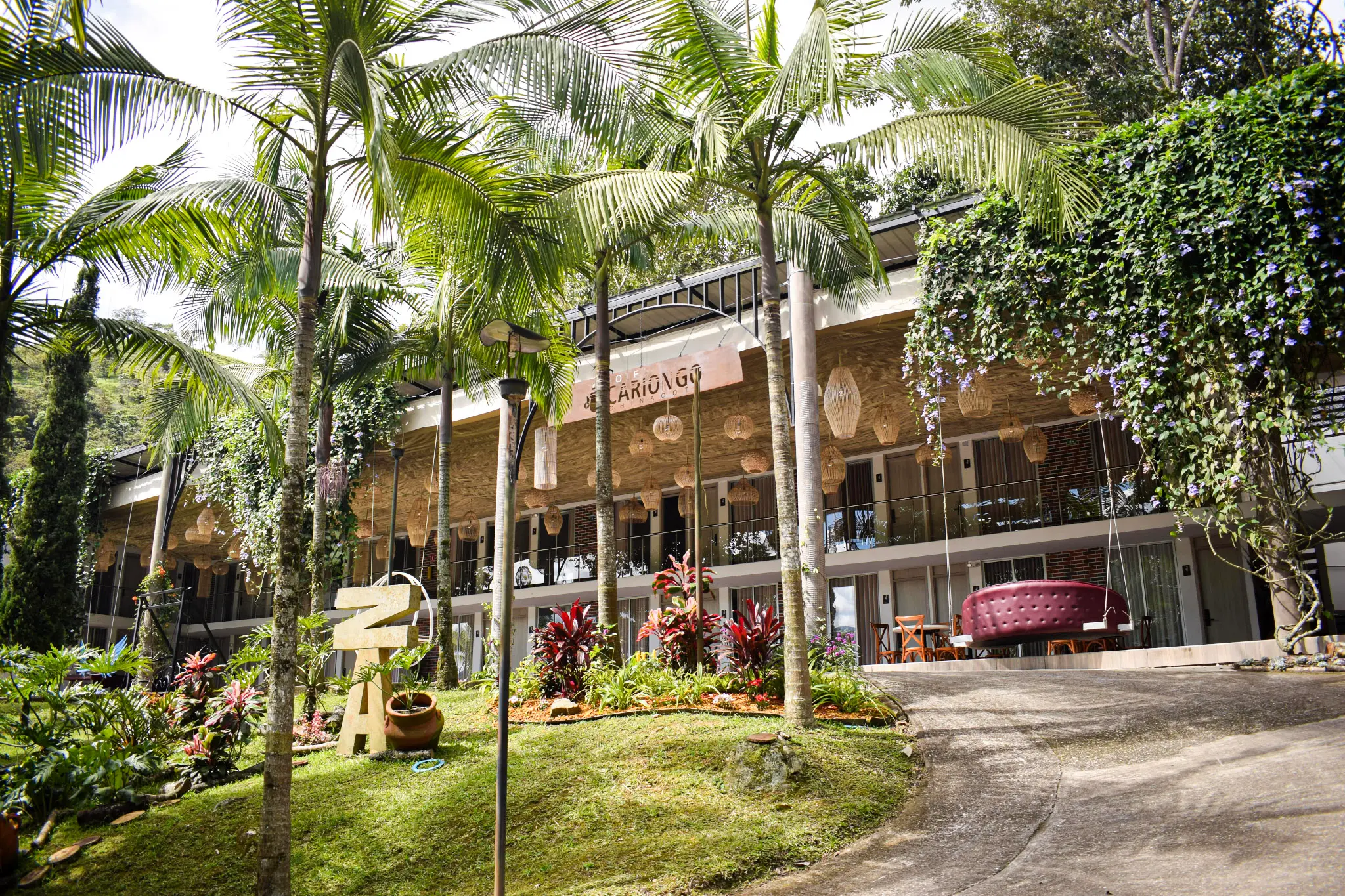
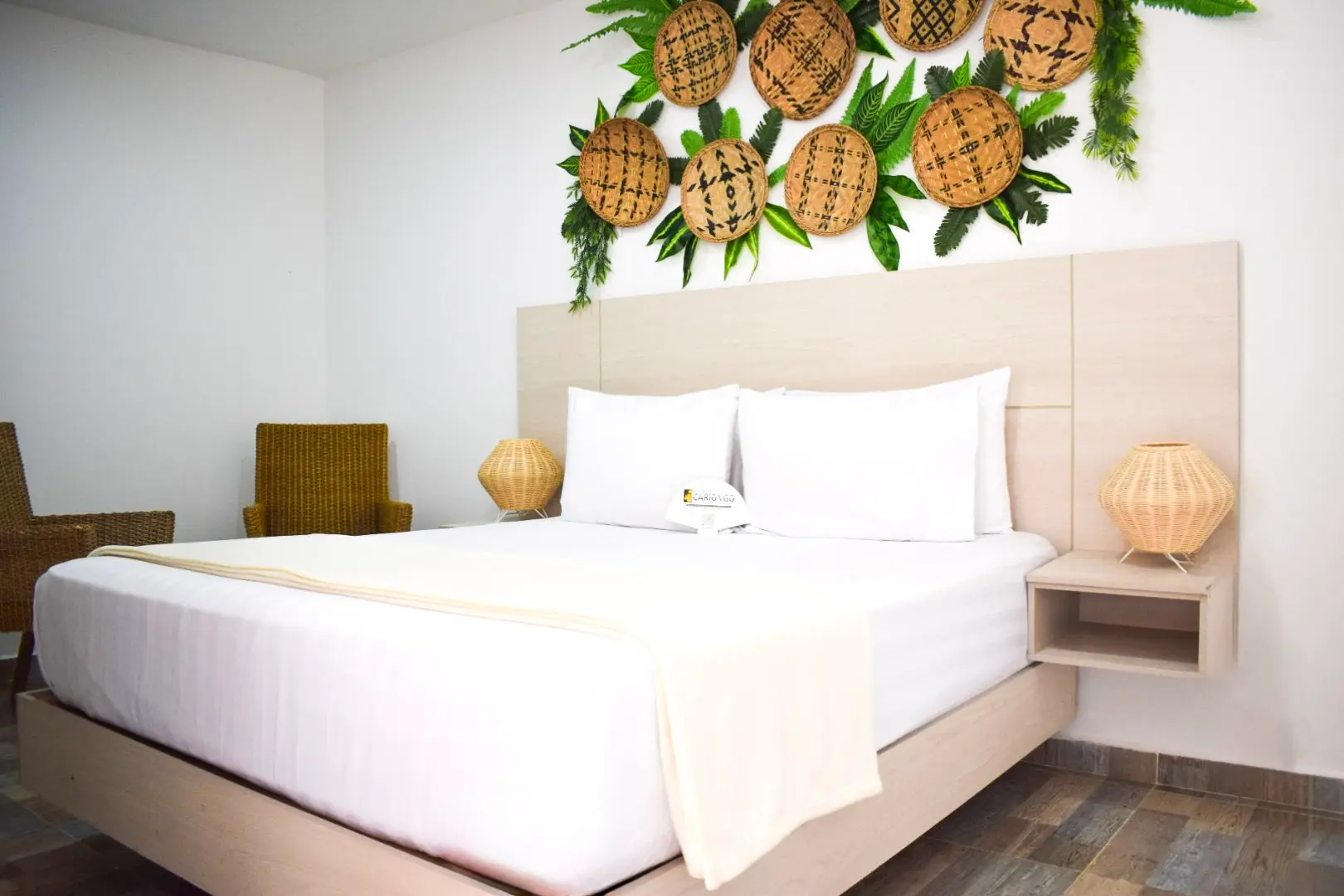
There are those who prefer to explore more, to go out and roam, and there are those who simply want to rest, stay in, and enjoy the silence. Both ways work; both make sense here. But there is something that influences that experience more than it seems: the place where you decide to stay. Because when the plan is to disconnect, rest, and enjoy without haste, the space matters. A comfortable, quiet, well-thought-out place can make everything flow better. It makes the rest real. It makes time feel well-spent, even when you aren't "doing" anything.
In that sense, Chinácota has begun to transform. Without losing its essence, spaces have started to appear that understand this type of travel. Places that don’t seek to change the destination's rhythm, but to accompany it.
Options designed for those who value details, comfort, and that feeling of being exactly where they want to be—and that, too, is part of the experience.
Because in the end, a trip isn't just built on what you do out there, but also on what you experience within. With the moments of pause, with the rest, and with the way each day begins and ends.
Chinácota has that unique ability: it adapts to every visitor without losing what makes it special. It doesn't demand an itinerary. It doesn't impose a way to explore it. It simply offers something different: slowing down. In a world where everything seems to move faster and faster, as simple as it may sound, that ends up being a luxury.
One that is worth treating yourself to, at least every once in a while.

HOTEL CARIONGO
Discover Pamplona
Have questions? Or want to learn more about Hotel Cariongo and Pamplona?


Why is Pamplona called the Mitred City? The story behind one of its most important titles.

The Art of Choosing a Hotel: 7 Things to Check Before Booking Your Stay in Norte de Santander
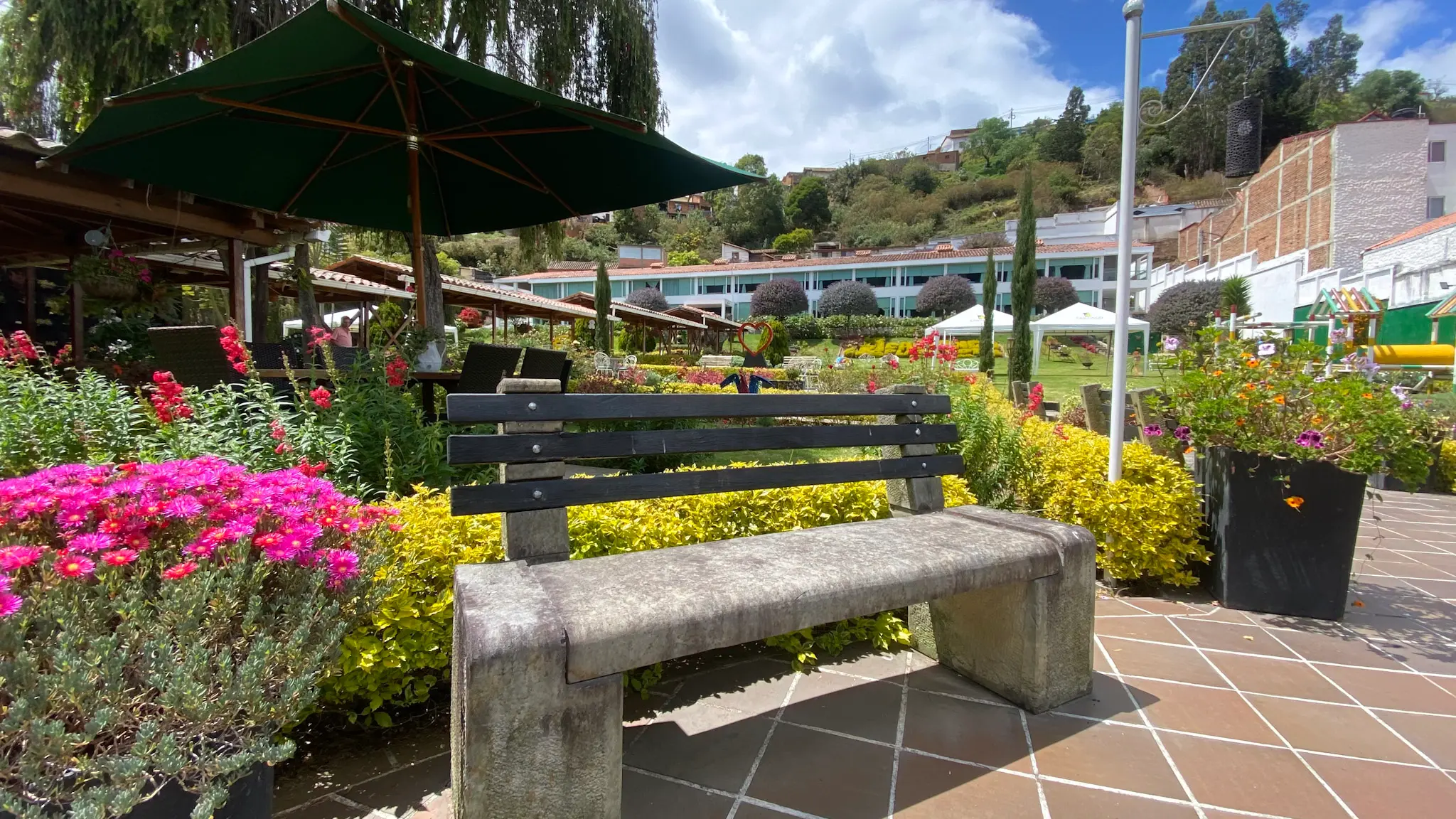
Mid-Year Vacations: The Perfect Time to Escape to Pamplona and Chinácota
.webp)
Cultural tourism in Pamplona and Chinácota: discover the soul of Norte de Santander from Hotel Cariongo

Mid-Year Vacation: Relax with your family amidst the mountains, local flavors, and tranquility

Tourism in Pamplona: January and February
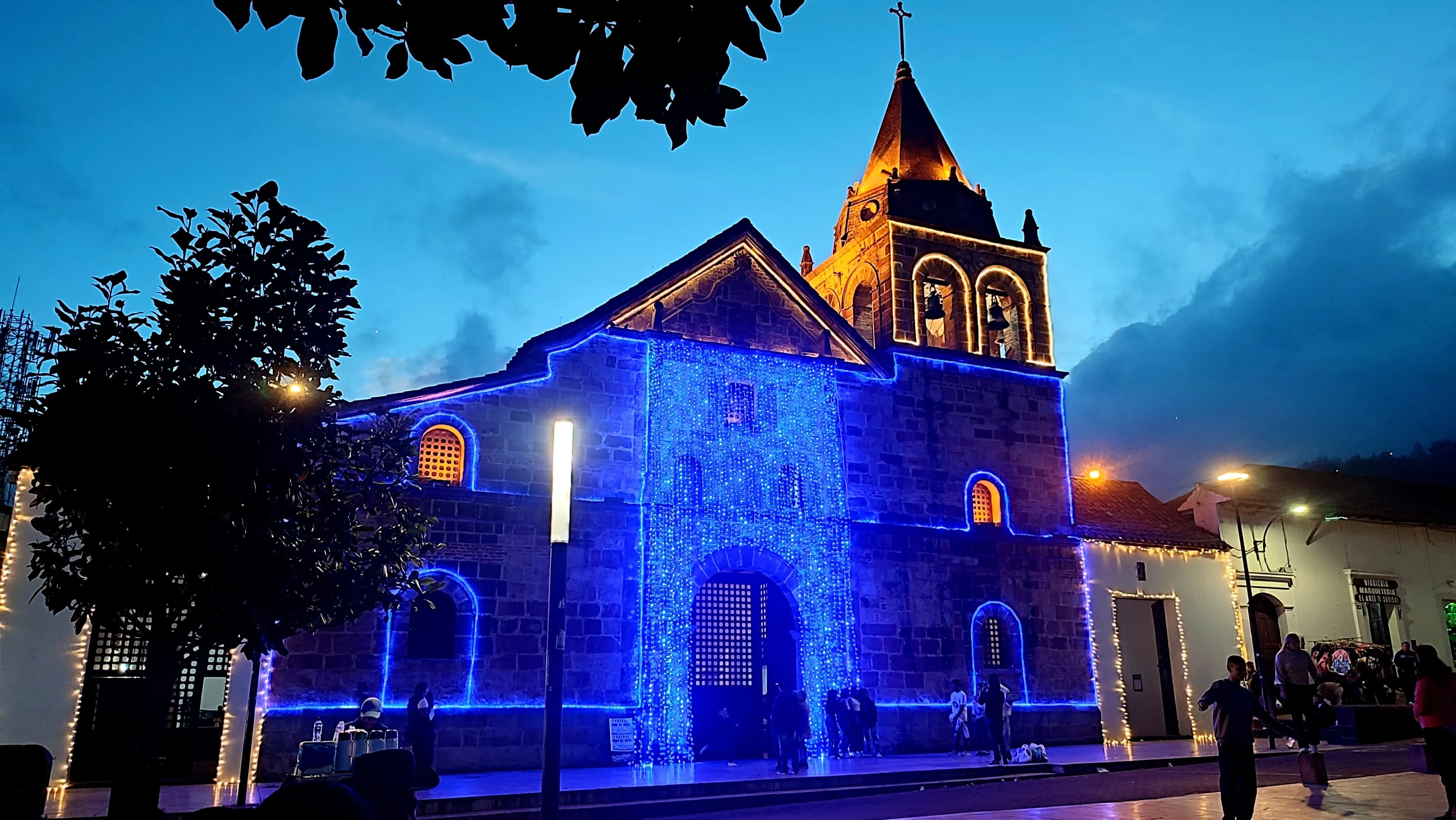
Christmas tourism in Pamplona

Natural areas and flavors of Pamplona

Children's Holy Week in Pamplona
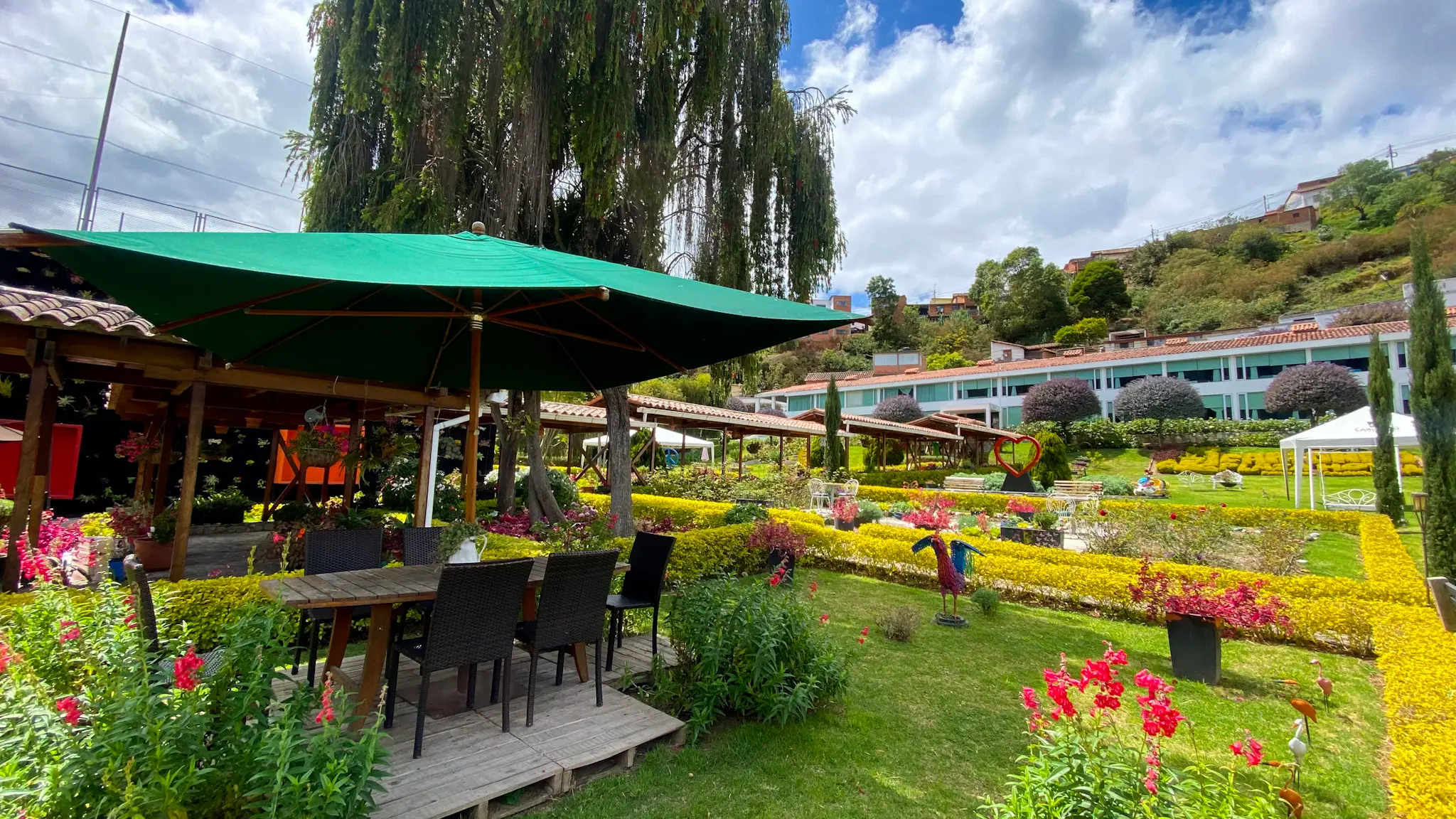
Who said you have to wait for the weekend? Discover Pamplona and Chinácota during the week
.webp)
The gift of time: the best treat for Mom this May
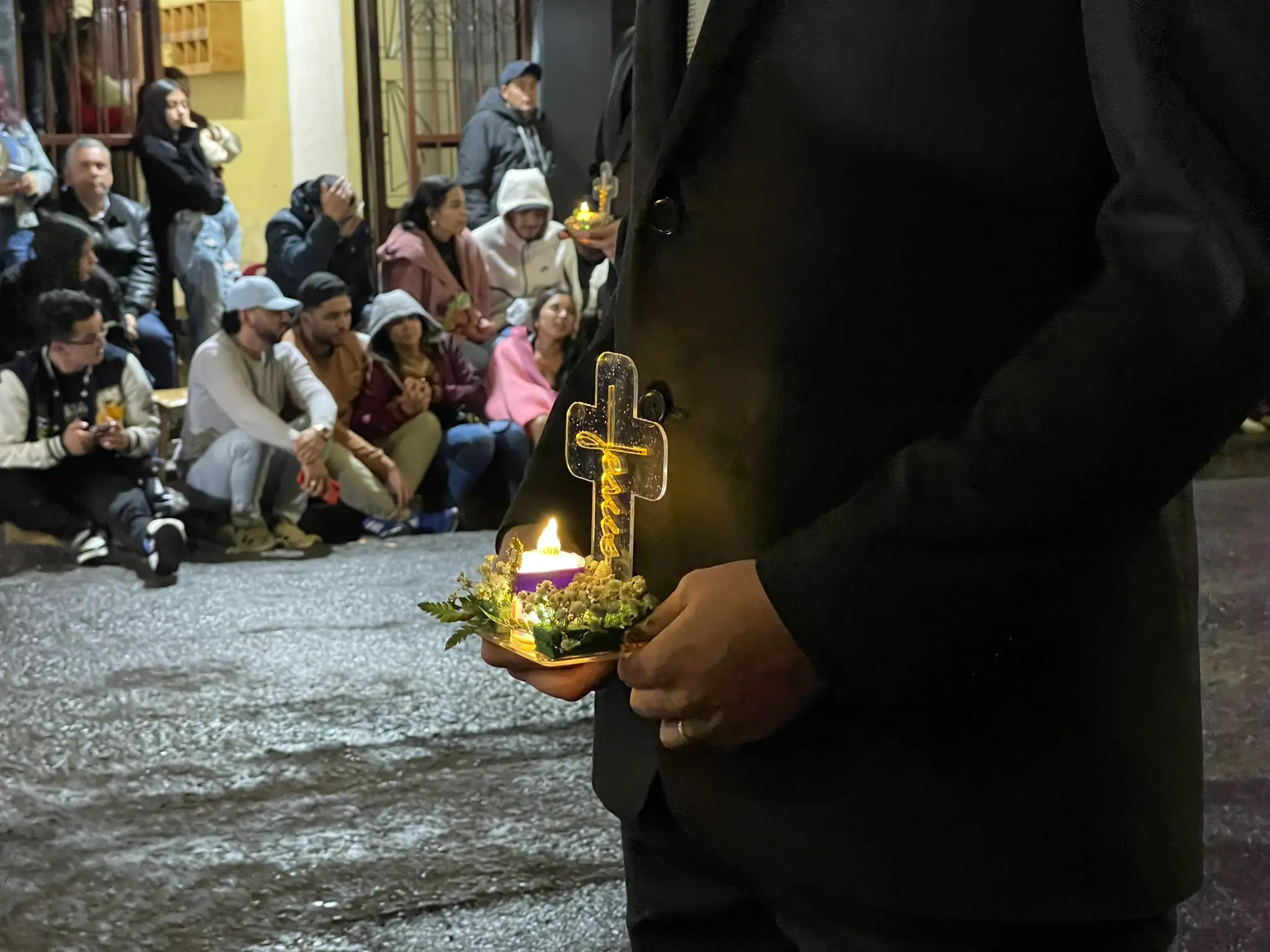
Holy Week in Pamplona: a tradition experienced through history, faith, and the mountains
Magical routes through Norte de Santander: tourism among mountains, history, and tradition

Nature trails in Norte de Santander: mountains, rivers, and unique landscapes
Pamplona and Chinácota: cradle of the heroes and heroines of independence
Reunions, tradition, and flavor: this is how family life is experienced in the mountains
.webp)
Plans for couples or families: unforgettable getaways in Pamplona and Chinácota

High-Altitude Flavors: Pamplonese Cuisine and Mother's Day Celebrations at Hotel Cariongo

Easter Week in Pamplona

HOLY WEEK IN PAMPLONA: A FESTIVAL OF EMOTION AND TRADITION

Holy Week in Pamplona: Intangible Cultural Heritage of the Nation

Pamplona 2024 Tourist Calendar

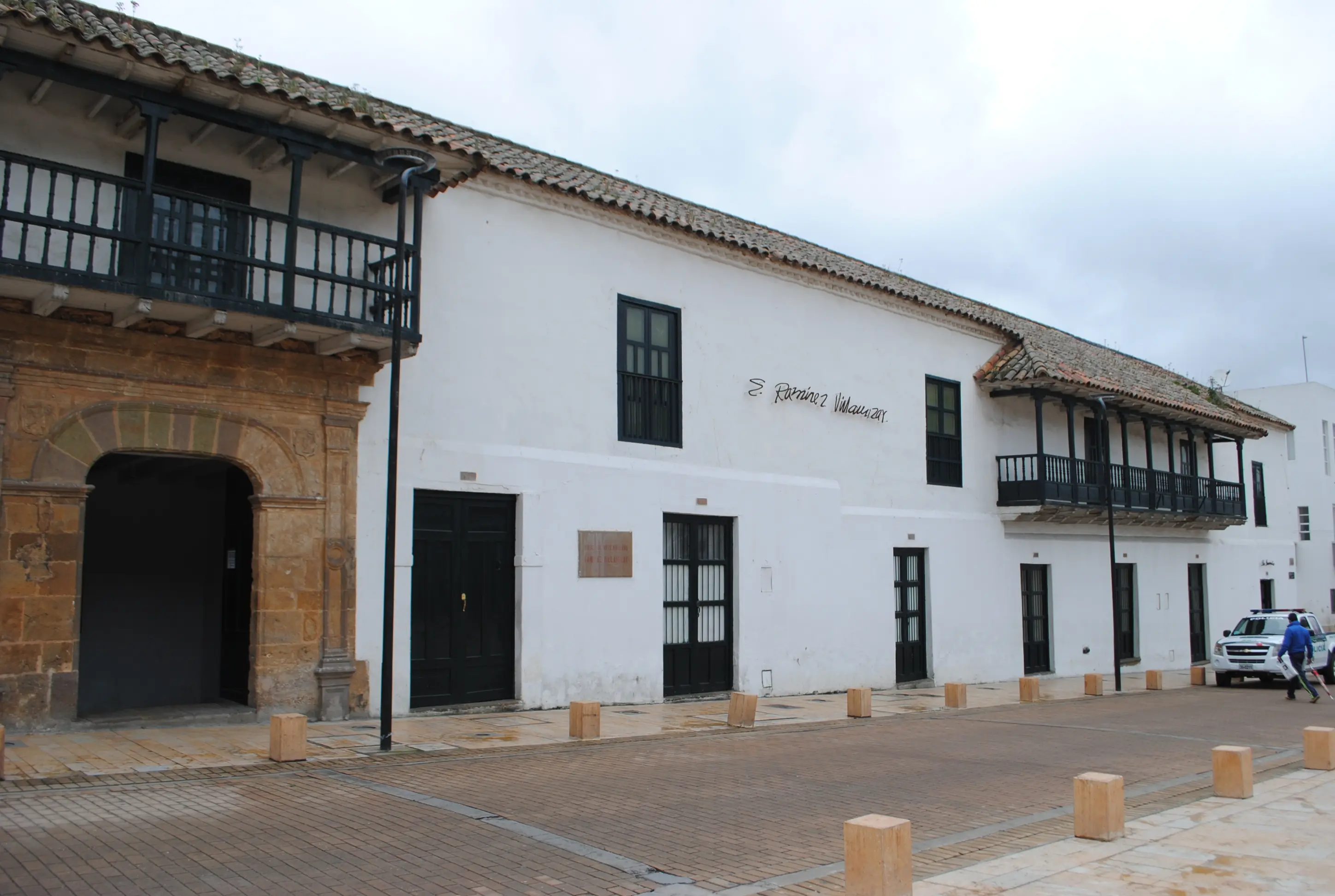
Eduardo Ramirez Villamizar Museum of Modern Art in Pamplona

Intangible Cultural Heritage of the nation

More than just a place to sleep: the true value of a great hotel experience
.webp)
The Cúcuta mom: a celebration that doesn't fit into a single Sunday
Women Who Travel, Women Who Inspire
March: traveling is also a way to celebrate women
February among traditions: experiencing Pamplona and Chinácota like a local
New Year Getaways: Reconnect, rest, and breathe
Legends and traditions of Norte de Santander: stories that live in the mountains
%20(1).webp)
The traditional gastronomy of Pamplona and Chinácota: a journey of flavors
Connecting festivals: music, dance, and gatherings in the towns of Norte de Santander

A July of devotion and celebration: The Virgin of Carmen in Norte de Santander

The Wonders of Pamplona at Christmas

A tourist epicenter of Colombia

Stories of Pamplona, our epic town
Five spots in Pamplona and Chinácota that change throughout the day
Behind a great stay: everything that happens before you open your room door
Chinácota: a destination to be discovered at your own pace
January: the perfect month to start the year in peace among the mountains
Ending the year in the mountains: a different way to experience December 31st in Norte de Santander
.webp)
December: the perfect month to pause and travel at your own pace

Where to spend the best vacation in November
Among mountains and fresh breezes: November, the perfect month to unplug in Pamplona and Chinácota
.webp)
The architectural and cultural heritage of Pamplona: living history in every street

Between Mountains and Traditions: Holy Week, Pamplona 2025

Discover Chitarero Restaurant

In February, Pamplona Celebrates Love with Valentine's Day

The Best Restaurant in Pamplona
August is the time to see Norte de Santander through new eyes: experiences that go beyond the destination
December 24th: A Christmas to experience slowly among mountains and traditions
Camilo Daza: the visionary who led Norte de Santander to conquer the sky
ANATO COLOMBIA 2024