

Articles
Connecting festivals: music, dance, and gatherings in the towns of Norte de Santander
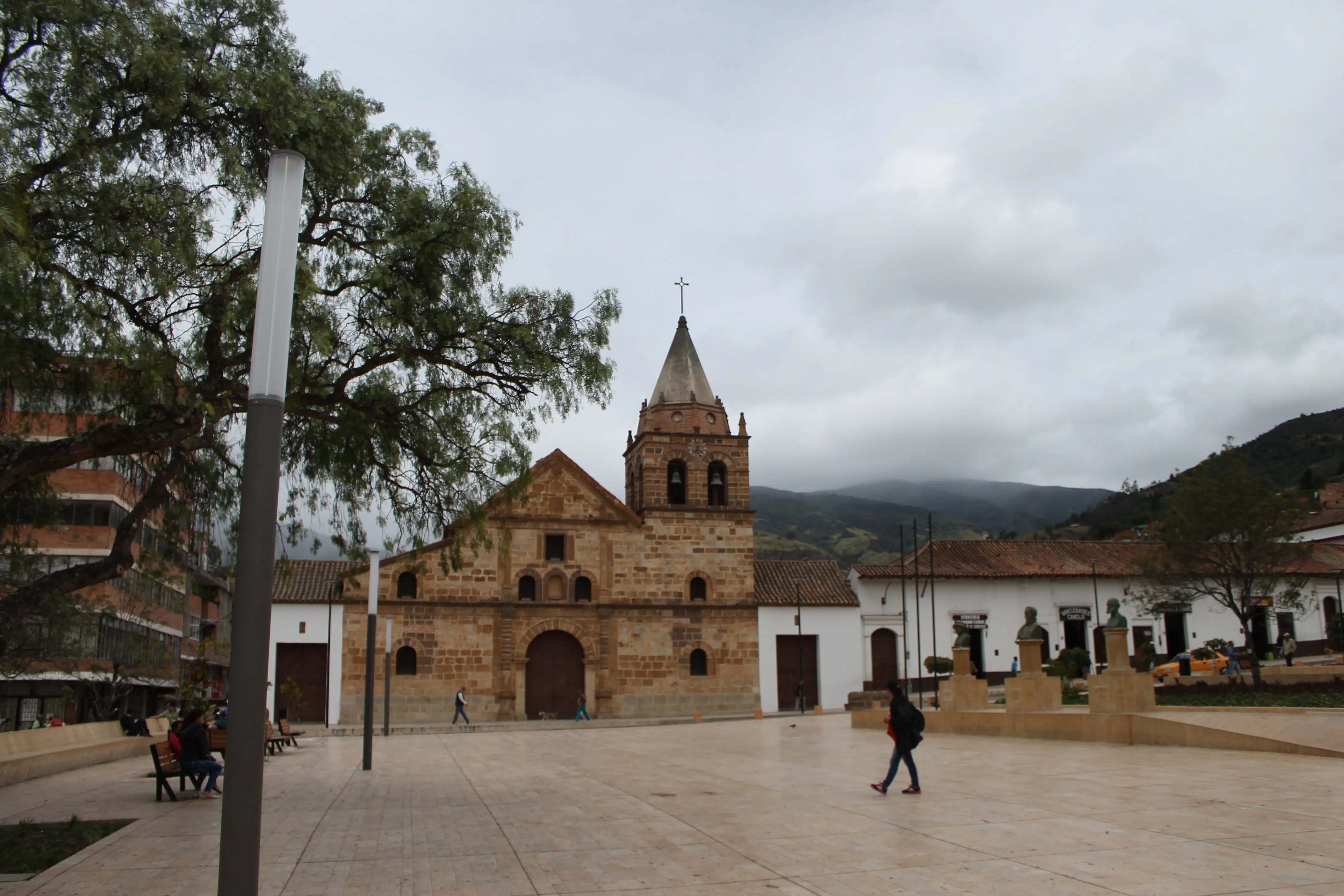
While big cities rush to the rhythm of traffic and haste, there are places high in the mountains where time seems to stand still… to celebrate. In July, the towns of Norte de Santander come alive with patron saint festivals and cultural events that bloom like bougainvillea on colonial facades. These are lesser-known celebrations, yes, but they are deeply rooted in meaning, identity, and joy.
From Cácota to Mutiscua, from Silos to Toledo, each municipality has its own patron saint, its own dance, and its own way of paying tribute to history and shared life. This blog is an invitation to discover them, to let yourself be carried away by the rhythm of the drums, the flavors of the land, and the warmth of its people.
A region that celebrates in its own way
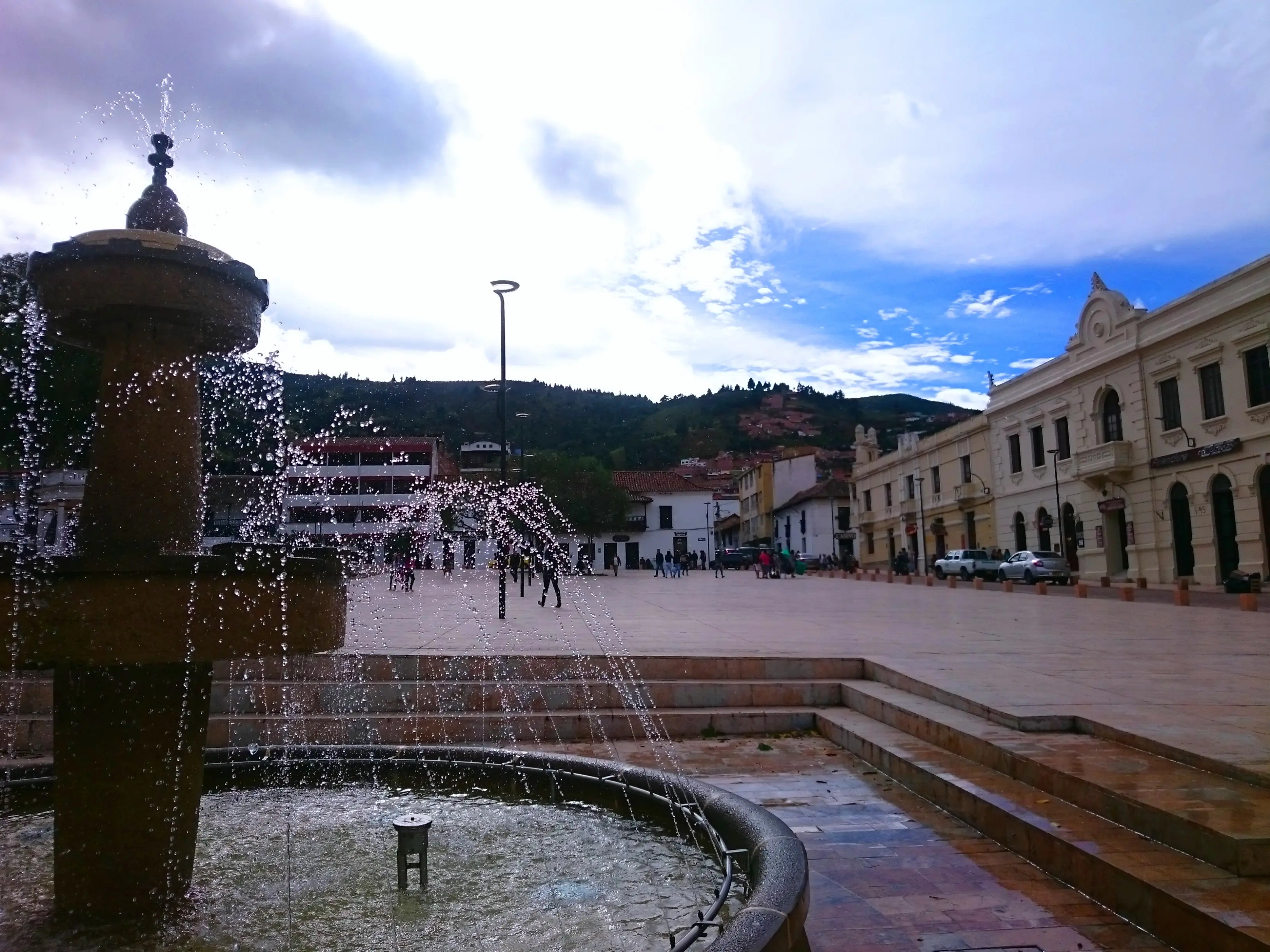
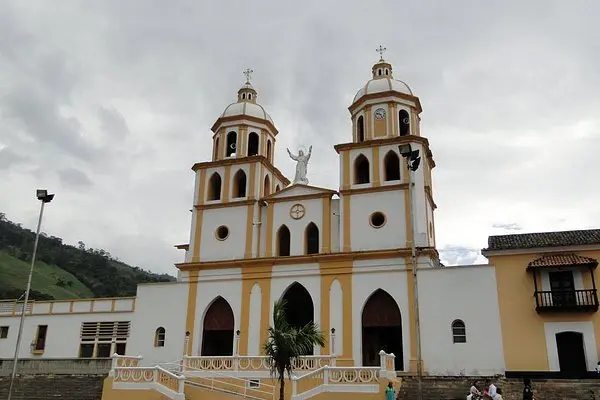
Unlike commercial or mass-market events, patron saint festivals in Norte de Santander have a deeply communal and traditional character. They are organized by the residents themselves, with the support of parishes, local government, or community boards. In many cases, activities are prepared weeks in advance: dance rehearsals, church bell ringing, church decorations, and gathering ingredients for community meals.
Visitors are not just spectators; they are welcomed as part of the festivities, invited to eat, dance, listen to stories, and become part of the collective memory.
Towns where tradition is still alive
Below, we present some towns that typically hold traditional celebrations in July. Although dates may vary slightly each year, the festive spirit remains intact:
Cácota
A small town nestled between mountains, known for its colonial architecture and religious devotion. In July, patron saint activities are held, featuring processions, masses, craft fairs, and food tastings. The church, surrounded by cobblestone streets, becomes the heart of the gathering.
Mutiscua
This beautiful town preserves one of the most beloved patron saint festivals by its people. Throughout the month, there are religious ceremonies, traditional dances, sports tournaments, folk singing contests, and cultural days featuring local schools. It is the ideal place to see how tradition and daily life intertwine.
Silos
Famous for its natural landscape, it also hosts celebrations featuring folk groups, agricultural fairs, and activities in the main square. Traditional dances like the torbellino and bambuco take center stage, accompanied by the string music that echoes through the mountains.
Toledo
Although larger, it remains deeply rooted in its customs. Its religious festivals blend with cultural activities, including parades, horseback riding processions, popular concerts, and food fairs. Families from Toledo who live in other cities often return for these dates.
Dance as a common language
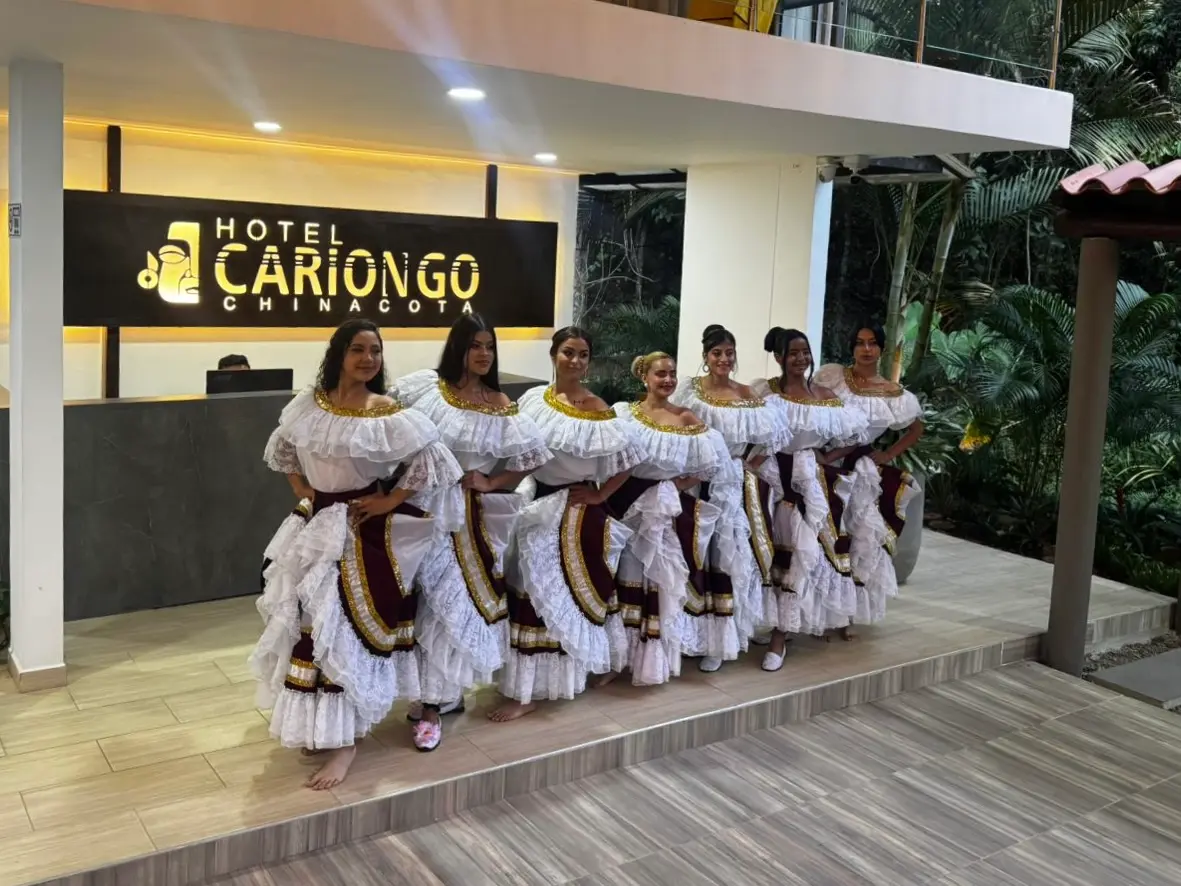
In all these towns, music and dance are fundamental. The bambuco, torbellino, and pasillo can be heard in both rural areas and town centers, performed by local groups who have learned the traditions from one generation to the next. Often, the traditional costumes are handmade by the mothers or grandmothers of the children who perform.
There are festivals where groups compete for the best dance, but beyond the trophy, what matters most is the pride of showcasing their own culture, the flavor of rural movement, and the rhythm born from the heart and feet.
The flavor of the celebration
And what would a party be without food? During patron saint festivals, local cuisine plays a leading role. Some delicacies often served include:
- Mute santandereano: a thick soup made with beans, corn, meat, and cassava.
- Chickpea empanadas and rice pastries: served with homemade chili sauce.
- Chicha and masato: traditional fermented corn drinks served during celebrations.
- Peeled corn arepas, mazamorra, tamales, and corn husk wraps.
In some towns, they even organize community lunches where everyone contributes an ingredient. Eating is a way to share, to give thanks, and to celebrate the earth's abundance.
Where should you stay to experience it all?
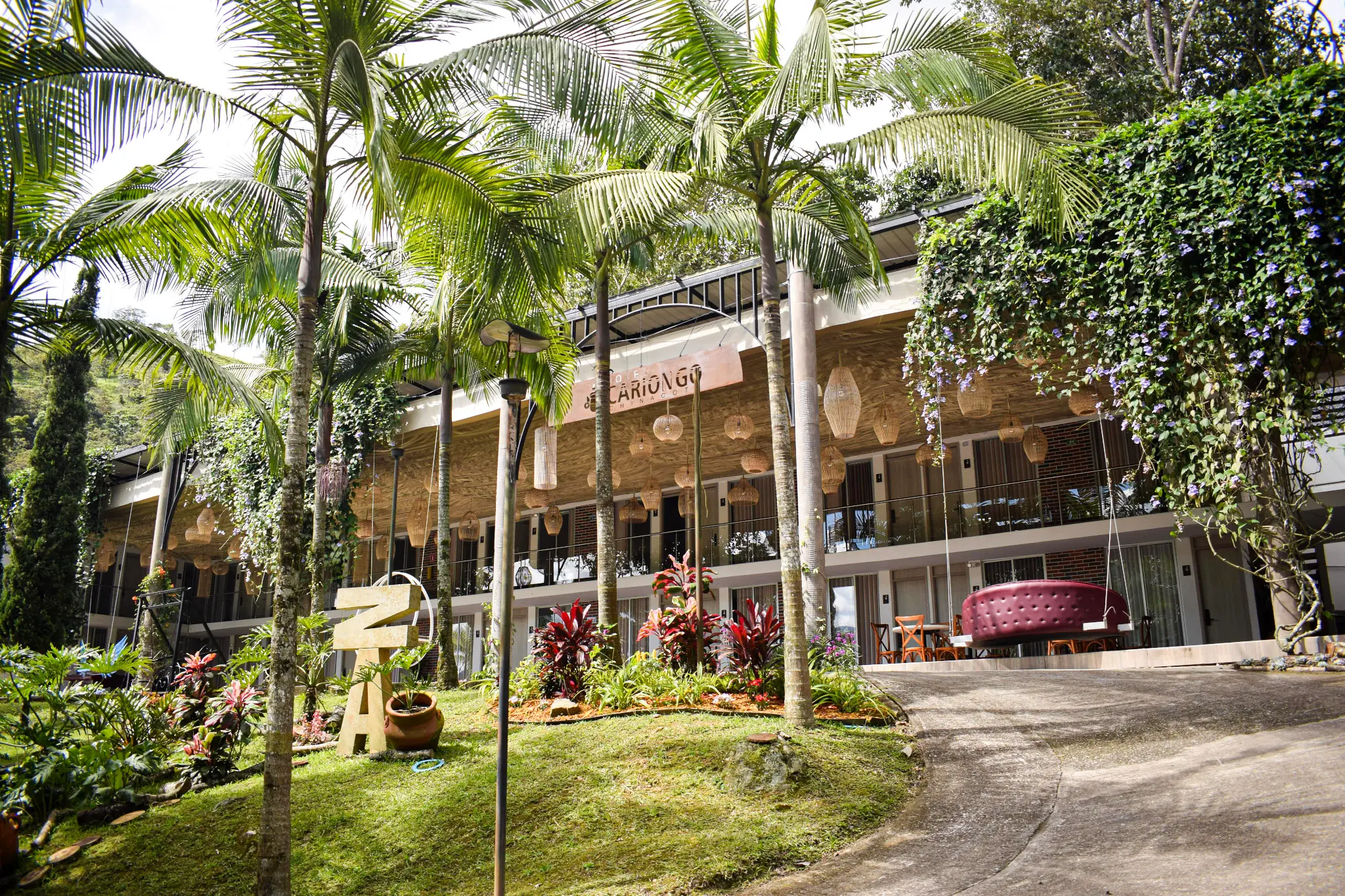
Although some towns have basic accommodations, the best way to enjoy the festivities without any hassle is to stay at the Hotel Cariongo, at their Pamplona or Chinácota locations.
- From Pamplona, you can easily travel to Cácota, Mutiscua, and Silos.
- From Chinácota, you can access other nearby municipalities or simply relax in a natural setting after a day of festivities.
The hotel offers comfort, local food, attentive service, and, above all, a strategic location for those who want to explore the region's culture while still getting a good night's rest.
What should you bring to these festivities?
- Comfortable, warm clothing: especially if you are going to cold towns like Cácota or Mutiscua.
- Walking shoes: many of the events take place in town squares or on cobblestone streets.
- A camera or phone with plenty of storage: you’re going to want to capture lots of memories!
- Small gifts if you’re visiting local family or friends: they are always well received.
- An open mind: get ready to chat, try new flavors, and let yourself be surprised.
What these festivals teach us
Taking part in the patron saint festivals in the towns of Norte de Santander is much more than just attending an event. It is a way to recognize the value of the local, of living tradition, and of a community that still believes in gathering without screens in the way. It is a reminder that culture doesn't need grand stages to be moving.
Why visit these towns during their festivals?
The cultural festivals in July are not just an opportunity to see traditional dances or try new dishes: they are the perfect excuse to visit towns that sometimes go unnoticed on tourist maps, but which hold invaluable richness.
Many of these municipalities have resisted being forgotten thanks to their people: farmers, artists, cultural leaders, wise grandmothers who still teach how to make arepas over a wood-burning stove, and musicians who tune their tiples as if they were tuning their own memories. Arriving during their celebrations means seeing them shine at their best.
Plus, during these dates:
- The streets are filled with flags, flowers, and handmade decorations.
- Competitions for traditional songs, poetry recitals, traditional games, and local pageants are organized.
- Schools and community groups put on plays or folk performances.
The whole town gets involved. Even the children rehearse for weeks to participate, proud to showcase their culture. It is in those details that you feel the soul of the place.
What if there isn't a specific festival in July?
Although not every town celebrates its patron saint festival exactly in July, many cultural activities are concentrated during this season because it coincides with:
- School holidays, which allows for greater participation from children.
- The return of migrants who live in cities but come back to their hometown during the holidays.
- Good weather in many areas, which facilitates outdoor activities.
So, even if a town's main festival falls in August or September, July is usually a month full of activity, rehearsals, preparations, and smaller celebrations. Sometimes, the most beautiful part isn't even the main day, but everything that leads up to it.
Nature, culture, and relaxation: the perfect combo
Beyond enjoying the festivals, these towns offer something not easily found in overcrowded tourist destinations: authentic tranquility.
- You can walk along rural paths surrounded by crops and birds.
- Breathe fresh air without the noise of traffic.
- Buy handmade products directly from the makers: textiles, sweets, instruments, and pottery.
- Have coffee in shops that still hold that scent of aged wood and long conversations.
By staying at Hotel Cariongo, whether in Pamplona or Chinácota, you can enjoy this connection to the authentic without sacrificing comfort. Our spaces are designed to offer you rest, great food, warm service, and a strategic location for daily trips to different towns.
If you are looking for a trip that goes beyond just relaxing, one that connects you with the roots of Colombia, its people, its rhythm, and its history, this is your moment. July is a month of celebration in the towns of Norte de Santander, and Hotel Cariongo is the perfect starting point for your journey.
Book your room, prepare your senses… and let yourself be carried away by the magic of traditions that are still alive in every corner.

HOTEL CARIONGO
Discover Pamplona
Have questions? Or want to learn more about Hotel Cariongo and Pamplona?


Why is Pamplona called the Mitred City? The story behind one of its most important titles.

The Art of Choosing a Hotel: 7 Things to Check Before Booking Your Stay in Norte de Santander
Mid-Year Vacations: The Perfect Time to Escape to Pamplona and Chinácota
.webp)
Cultural tourism in Pamplona and Chinácota: discover the soul of Norte de Santander from Hotel Cariongo

Mid-Year Vacation: Relax with your family amidst the mountains, local flavors, and tranquility

Tourism in Pamplona: January and February
Christmas tourism in Pamplona

Natural areas and flavors of Pamplona

Children's Holy Week in Pamplona
Who said you have to wait for the weekend? Discover Pamplona and Chinácota during the week
.webp)
The gift of time: the best treat for Mom this May
Holy Week in Pamplona: a tradition experienced through history, faith, and the mountains
Magical routes through Norte de Santander: tourism among mountains, history, and tradition

Nature trails in Norte de Santander: mountains, rivers, and unique landscapes
Pamplona and Chinácota: cradle of the heroes and heroines of independence
Reunions, tradition, and flavor: this is how family life is experienced in the mountains
.webp)
Plans for couples or families: unforgettable getaways in Pamplona and Chinácota

High-Altitude Flavors: Pamplonese Cuisine and Mother's Day Celebrations at Hotel Cariongo

Easter Week in Pamplona

HOLY WEEK IN PAMPLONA: A FESTIVAL OF EMOTION AND TRADITION

Holy Week in Pamplona: Intangible Cultural Heritage of the Nation

Pamplona 2024 Tourist Calendar

Eduardo Ramirez Villamizar Museum of Modern Art in Pamplona

Intangible Cultural Heritage of the nation

More than just a place to sleep: the true value of a great hotel experience
.webp)
The Cúcuta mom: a celebration that doesn't fit into a single Sunday
Women Who Travel, Women Who Inspire
March: traveling is also a way to celebrate women
February among traditions: experiencing Pamplona and Chinácota like a local
New Year Getaways: Reconnect, rest, and breathe
Legends and traditions of Norte de Santander: stories that live in the mountains
%20(1).webp)
The traditional gastronomy of Pamplona and Chinácota: a journey of flavors
Connecting festivals: music, dance, and gatherings in the towns of Norte de Santander

A July of devotion and celebration: The Virgin of Carmen in Norte de Santander

The Wonders of Pamplona at Christmas

A tourist epicenter of Colombia

Stories of Pamplona, our epic town
.webp)
Five spots in Pamplona and Chinácota that change throughout the day
Behind a great stay: everything that happens before you open your room door
.webp)
Chinácota: a destination to be discovered at your own pace
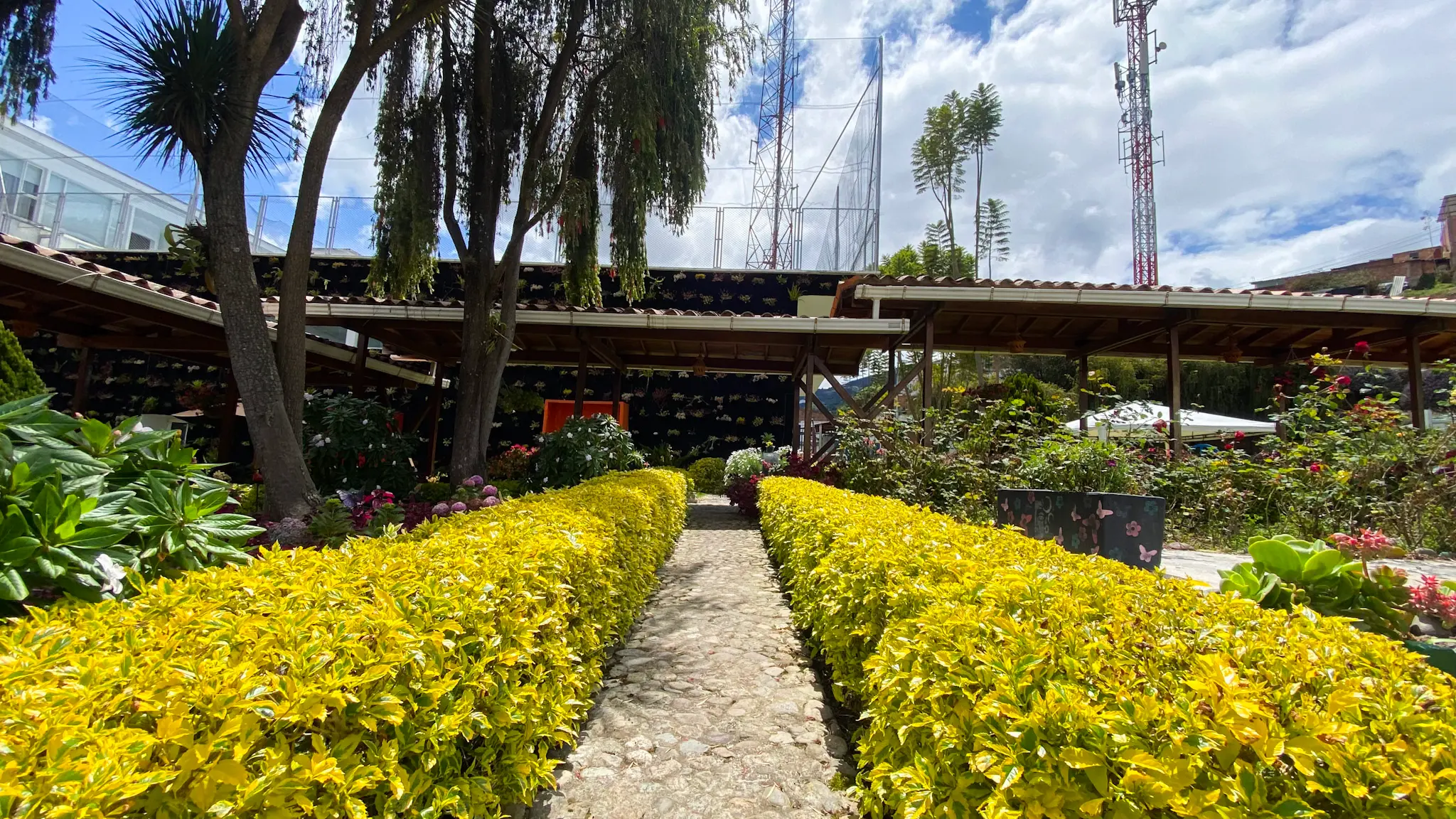
January: the perfect month to start the year in peace among the mountains
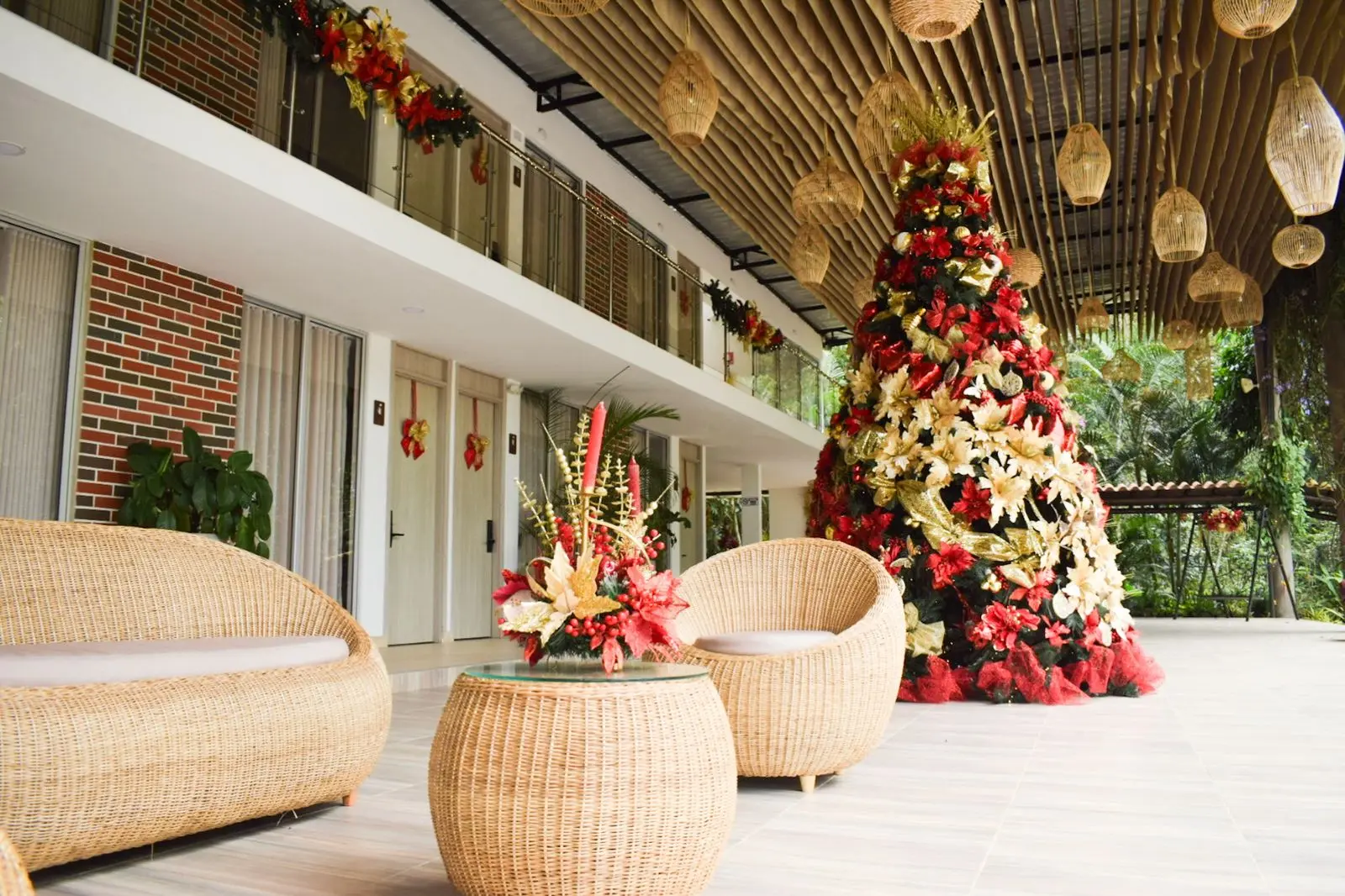
Ending the year in the mountains: a different way to experience December 31st in Norte de Santander
.webp)
December: the perfect month to pause and travel at your own pace

Where to spend the best vacation in November
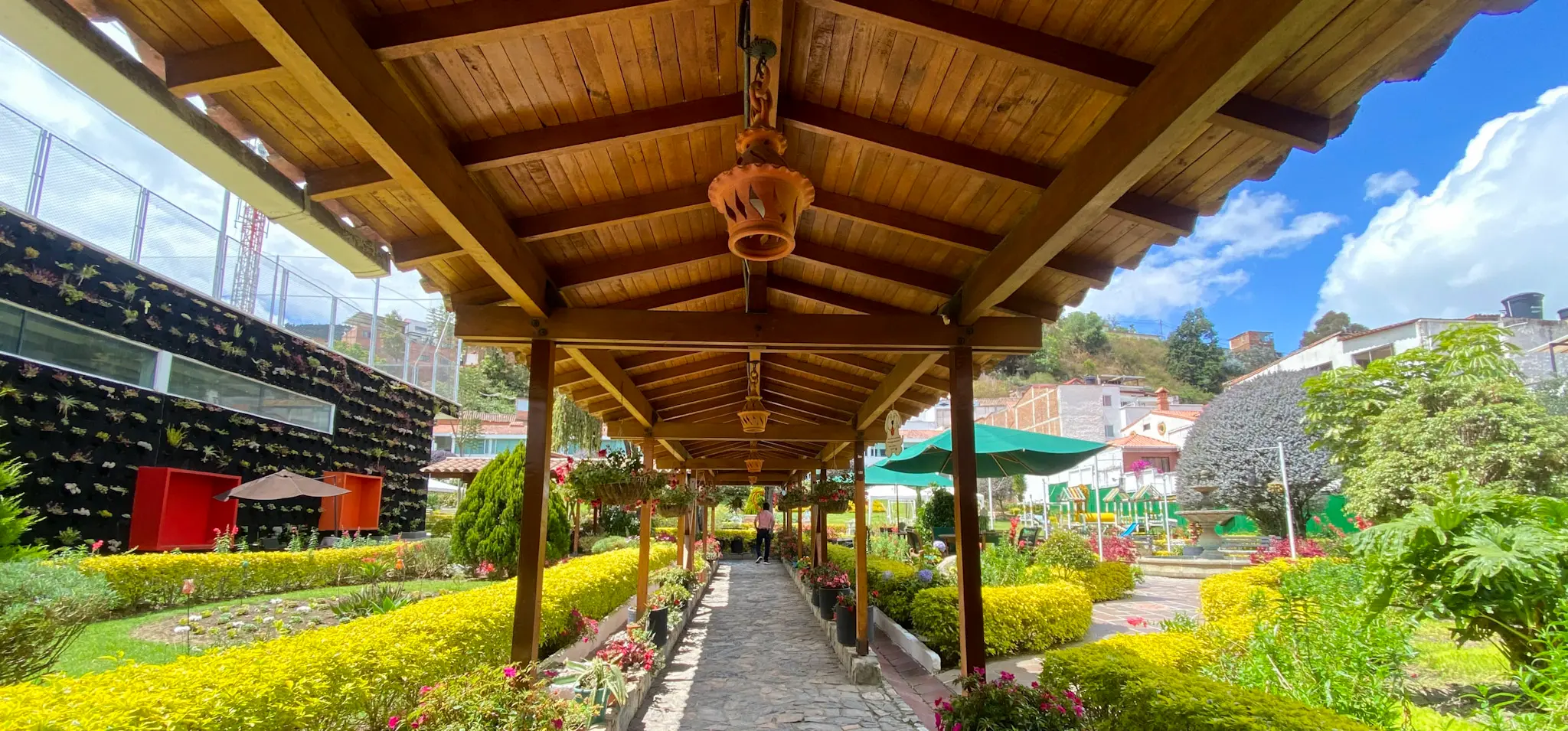
Among mountains and fresh breezes: November, the perfect month to unplug in Pamplona and Chinácota
.webp)
The architectural and cultural heritage of Pamplona: living history in every street

Between Mountains and Traditions: Holy Week, Pamplona 2025

Discover Chitarero Restaurant

In February, Pamplona Celebrates Love with Valentine's Day

The Best Restaurant in Pamplona
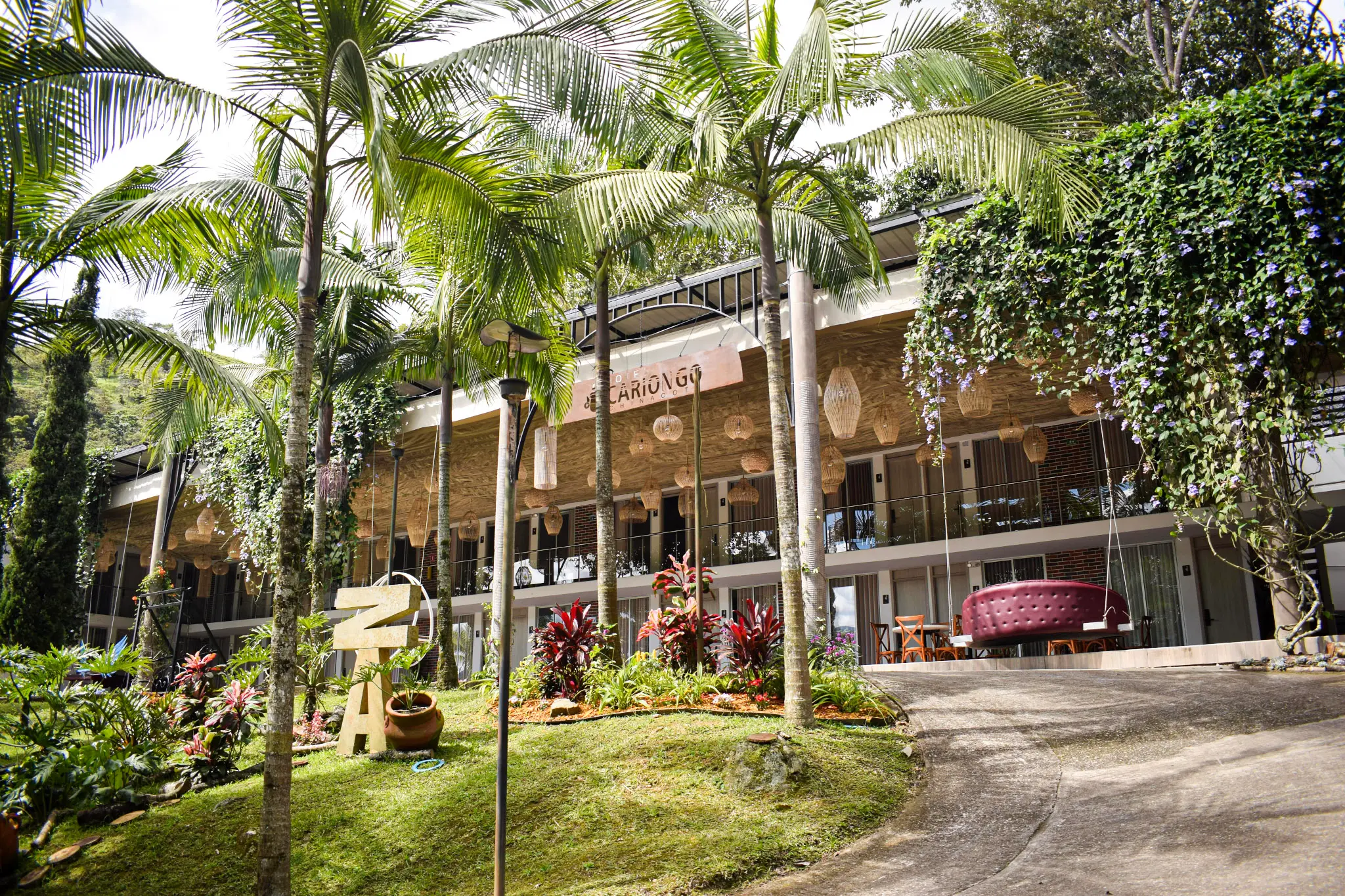
August is the time to see Norte de Santander through new eyes: experiences that go beyond the destination
December 24th: A Christmas to experience slowly among mountains and traditions
Camilo Daza: the visionary who led Norte de Santander to conquer the sky
ANATO COLOMBIA 2024