


Articles
Why is Pamplona called the Mitred City? The story behind one of its most important titles.

Some cities have only one name, while others accumulate various ways of being called over the years. Pamplona belongs to this second group.
In Norte de Santander, it is known as the Student City, the Patriot City, the City of Mists, and, among many other names, the Mitred City. Each of these names holds a piece of its history, but one is especially linked to the religious tradition and heritage that can still be found in its streets today.
.webp)
So, why is Pamplona called the Mitred City?
The answer lies in the history of the Church in the region and the importance Pamplona acquired as an ecclesiastical center. But understanding the meaning of this name also involves looking at its squares, its temples, its old houses, and those details that help us understand why, centuries after its founding, the city continues to be recognized for its historical and religious heritage.
What does "Mitred City" mean?
Before talking specifically about Pamplona, it is worth pausing to look at the word that gives rise to this unique title.
The mitre is a headpiece worn by bishops and archbishops as part of their liturgical vestments. Therefore, when we speak of a "mitred" city, the term refers to its relationship with an episcopal or archiepiscopal see.
In the case of Pamplona, the name is related to the presence of the Archdiocese of Nueva Pamplona, an institution based in the city that turned this territory into an important center of religious life in the region.
The Mayor's Office of Pamplona itself points out that one of the reasons the city is called the Mitred City is precisely its status as the seat of the Archdiocese of Nueva Pamplona. (Mayor's Office of Pamplona)
Thus, "Mitred" is not just a pretty nickname or an old-fashioned expression. It is a word that speaks to a specific part of Pamplona's history.
Why is Pamplona known as the Mitred City?
To understand it, you have to look back.
Pamplona was founded on November 1, 1549, by Pedro de Ursúa and Ortún Velázquez de Velasco. The city was originally named Pamplona de Indias in honor of the Spanish city of Pamplona, where Ursúa was from. (Pamplona Mayor's Office)
From its earliest years, the city was closely linked to the evangelization and religious organization processes typical of the colonial era. Over time, this religious presence took on an institutional dimension that would ultimately leave a deep mark on Pamplona's identity.
The seat of the Archdiocese of Nueva Pamplona is one of the reasons behind the title "Mitred City" today. But the city's religious history is not found only in documents; it is also present in its architecture.
It is in the churches that were built over the centuries. It is in the religious artworks that have been preserved. It is in the celebrations that continue to bring residents and visitors together. And it is in the way Pamplona's historic center preserves traces of different moments from its past.
A history that can still be explored on foot.
One of the unique aspects of visiting Pamplona, Norte de Santander, is that much of its history doesn't need to be explained in a museum to be appreciated. You find it by walking.
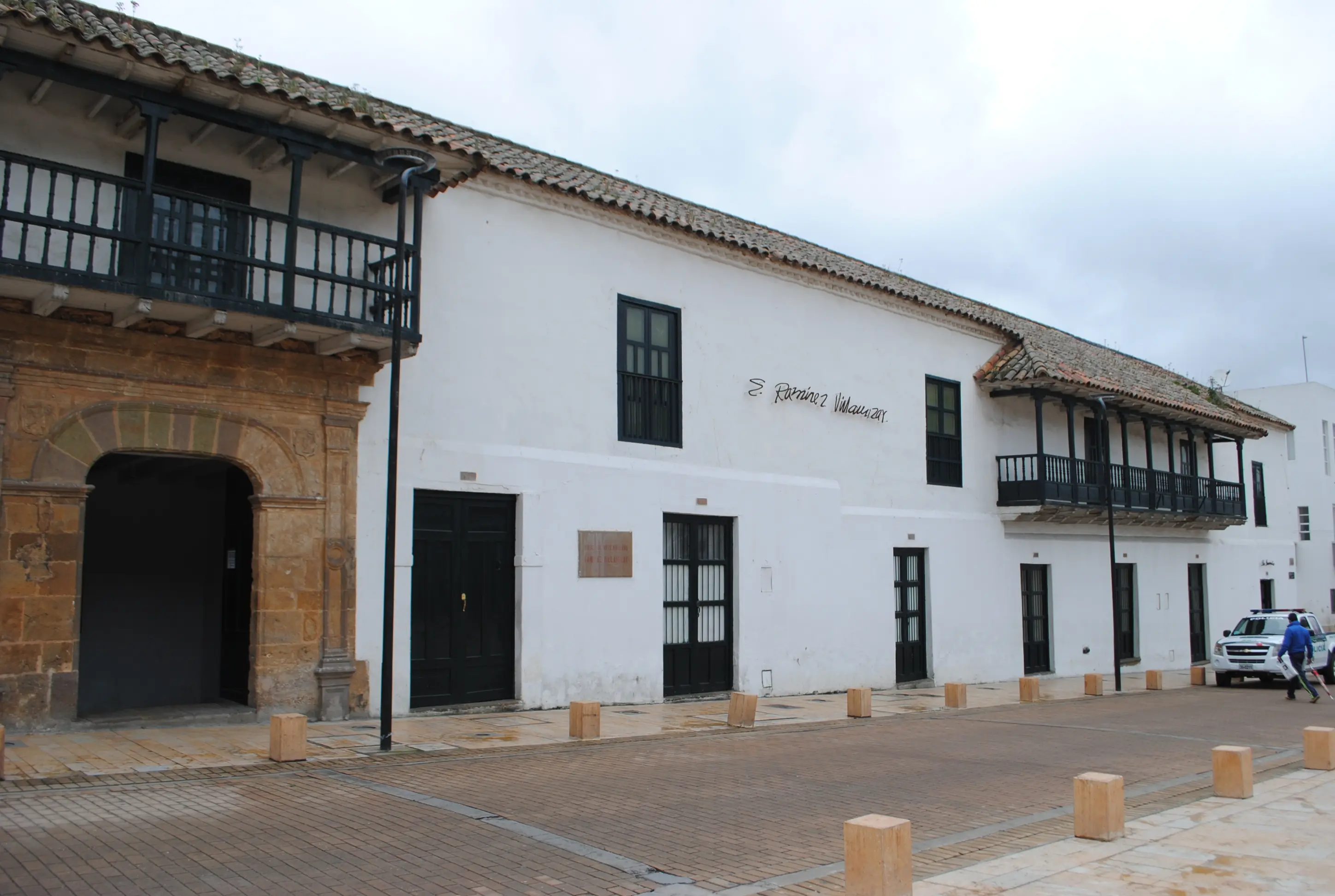
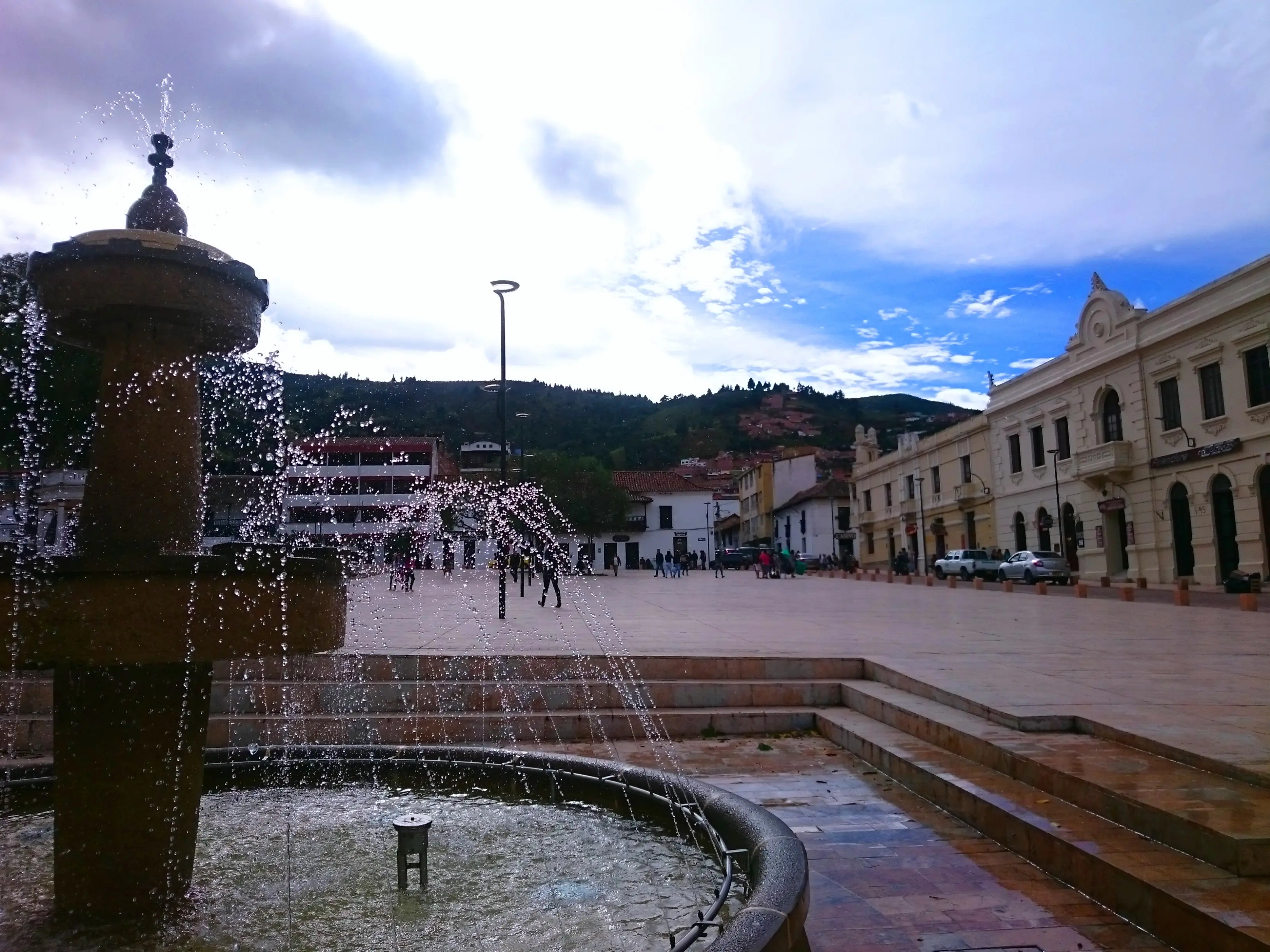
The city center brings together spaces that allow you to discover different chapters of its past. Around the Águeda Gallardo Park, for example, you will find places like the Cathedral of Santa Clara, the Municipal Palace, and the Ramírez Villamizar Museum of Modern Art.
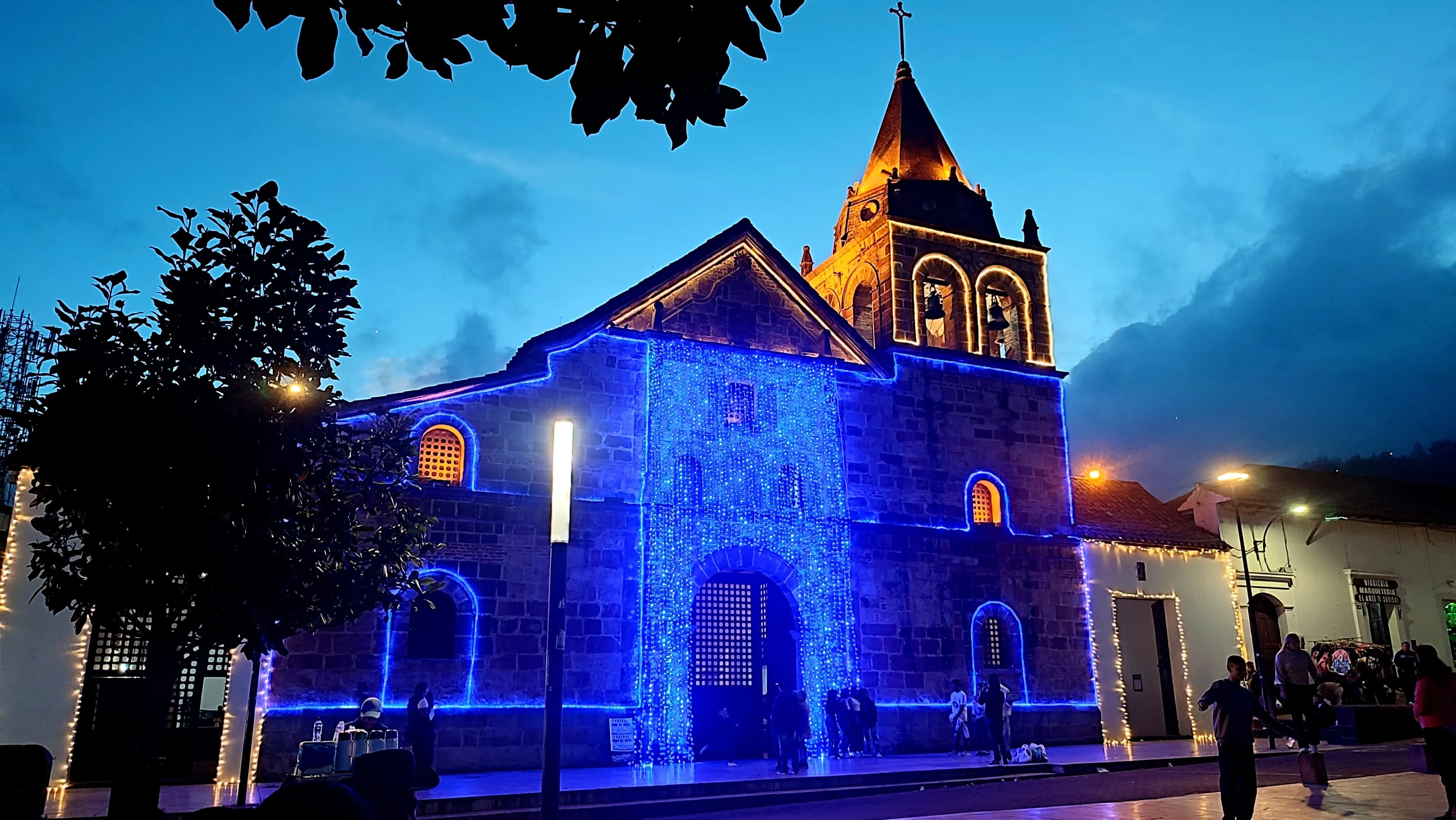
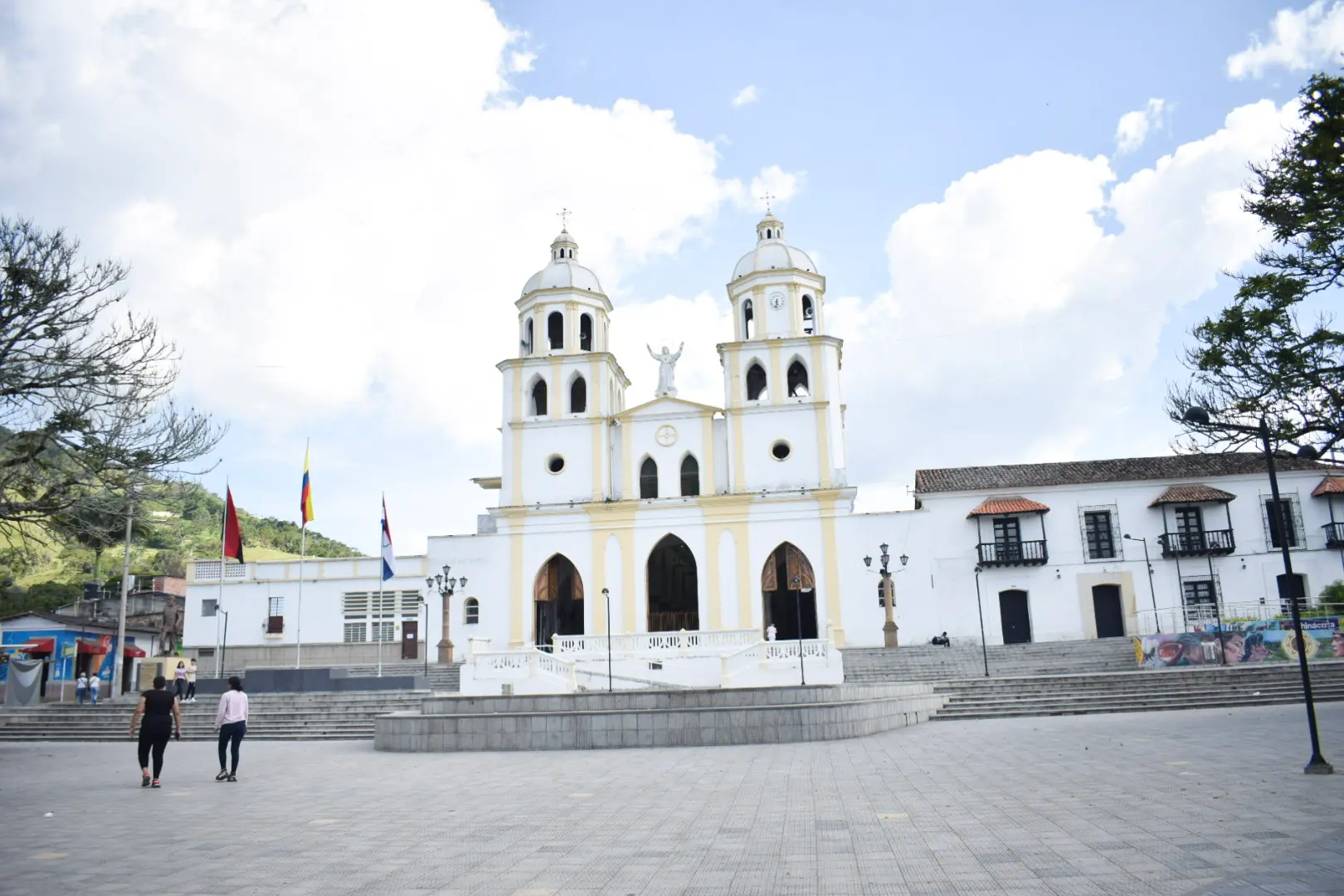
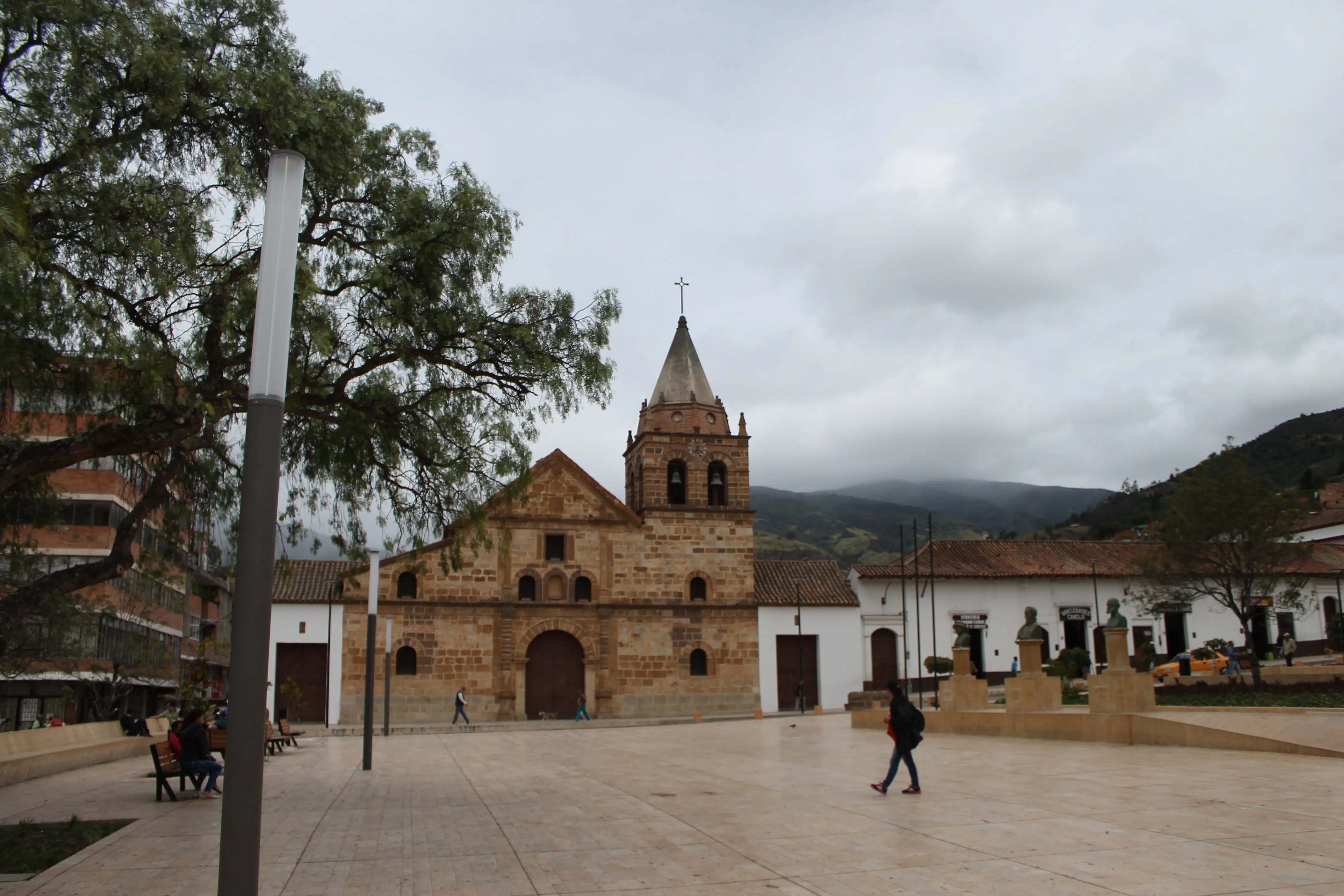
The Cathedral of Santa Clara holds a special place in this history. The Mayor's Office notes that it was founded in 1584 and later became a cathedral, currently serving as the seat of the Archdiocese of Nueva Pamplona.
And it is precisely when standing in front of buildings like this that the name "Mitred City" begins to take on a more tangible meaning.
It is no longer just an expression that appears in a tourist guide. It is a visible part of the urban landscape.
Talking about religious tourism in Pamplona does not just mean talking about religious celebrations.
It also means talking about heritage.
One of the most interesting examples is the Archdiocesan Museum of Religious Art, which preserves vestments, silverware, and other objects related to the city's religious tradition. According to information published by the Mayor's Office, its collection brings together more than 600 religious pieces and has a special presence during Holy Week.
Another place that helps us understand this historical dimension is the Sanctuary of the Lord of the Humilladero.
Its origins date back to the first years following the founding of Pamplona. Over time, it was expanded and came to house one of the city's most venerated religious pieces: the Holy Christ of the Humilladero.
There is also the Archbishop's Palace, whose history has been linked to the lives of the archbishops of Pamplona since the 19th century. The Mayor's Office records that it has served as the residence for archbishops since 1837.
Each of these places contributes a different piece to the meaning of the "Mitred City."
Holy Week: A tradition that keeps history alive
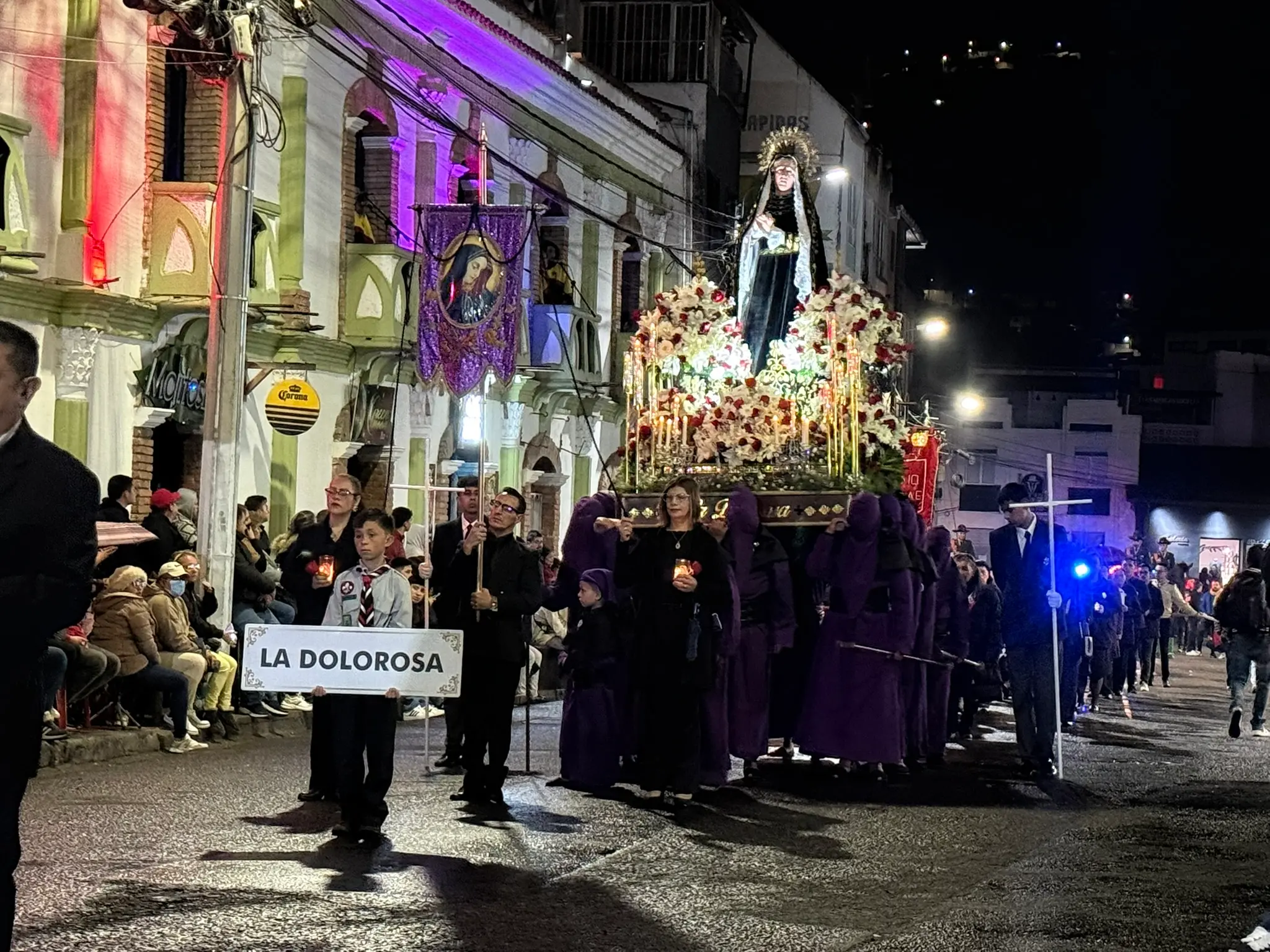
If there is one moment in the calendar when Pamplona's religious identity becomes especially visible, it is Holy Week.
This is not a recent tradition. The municipal administration itself has highlighted the long-standing nature of this celebration and its importance to the city's cultural and religious identity.
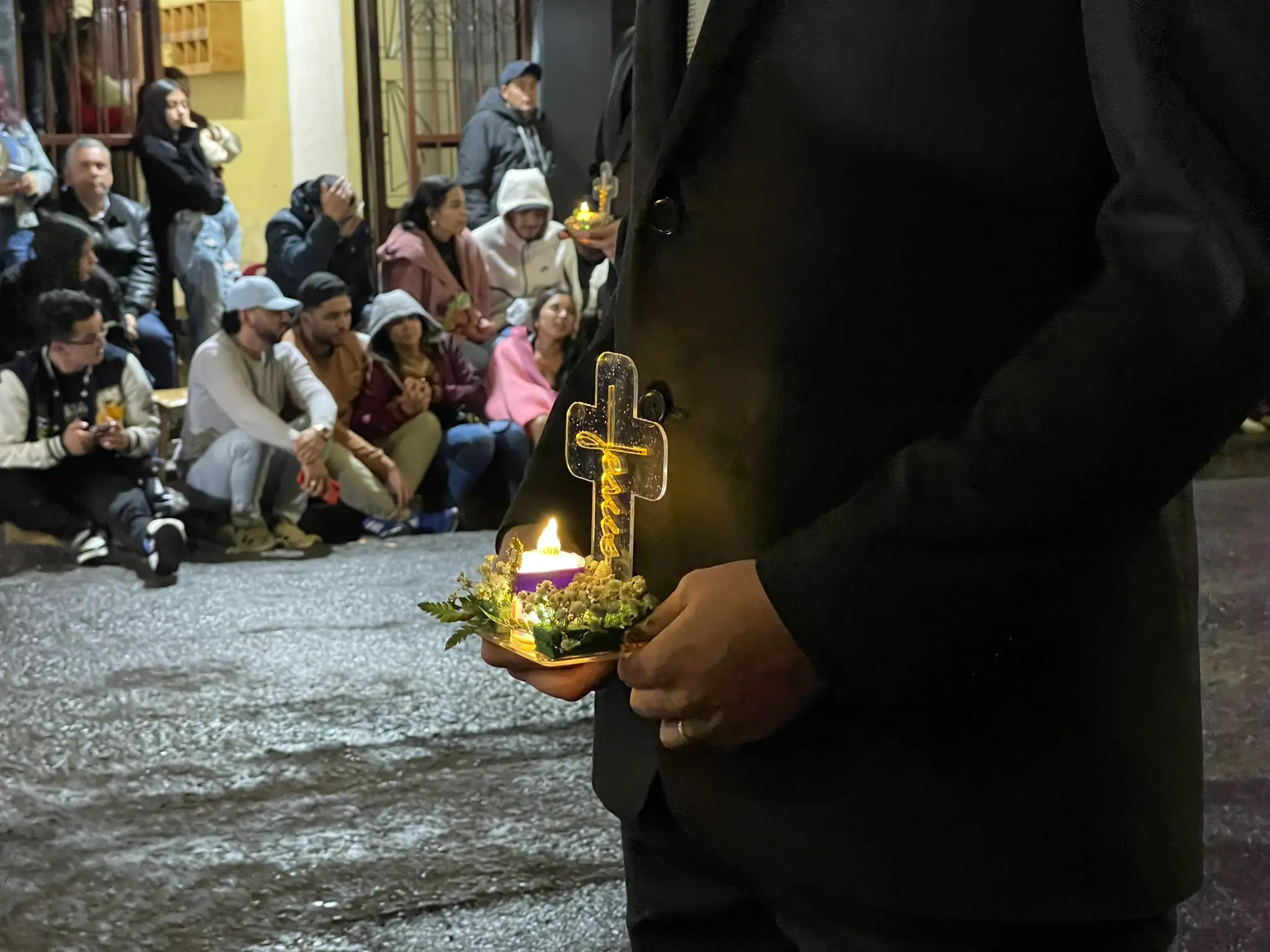
During these days, the pace of the historic center's streets changes. The churches, processions, religious icons, and the arrival of visitors cause many of the spaces usually viewed as part of the urban heritage to once again take on a living role within the community.
It is precisely this continuity that makes Pamplona's heritage so interesting; it is not just about preserving old buildings, but about preserving the stories, practices, and traditions that still find a place in daily life.
But Pamplona is much more than the Mitred City
Perhaps one of the most interesting things about Pamplona is that "Mitred City" is not its only name.
The Mayor's Office presents it as a city of many monikers: City of a Thousand Titles, Student City, Patriot City, City of Mists, City of Ursúa, and "Very Noble and Very Hidalguous City," among others. And each one tells a different story.
- "Student City" speaks to its academic tradition and the presence of the University of Pamplona.
- "Patriot City" recalls the role it played during the events of Independence and, particularly, the figure of María Águeda Gallardo. The Mayor's Office recognizes July 4, 1810, as the date of Pamplona's Cry of Independence.
- "City of Mists" refers to a much more everyday characteristic: the cold, damp climate that is part of the city's landscape.
- And "Mitred City" brings us back to its religious and ecclesiastical history.
Taken together, all these names form a kind of portrait of Pamplona. A city where architecture also tells stories; the history of Pamplona cannot be understood without looking at its architecture. The city preserves important examples of colonial architecture and urban elements that are part of its heritage. The Mayor's Office itself has pointed out the value of its historic center and its architecture as factors that allow for the development of different forms of tourism.
For this reason, exploring Pamplona can become a unique experience for those who enjoy observing details. A facade, a balcony, an old door, the interior courtyard of a large house, a church that has stood for generations, a square that has been the stage for political, religious, and social events—these are elements that, viewed individually, may seem simple. But together, they tell the story of a city that has changed many times without completely losing the footprint of its past.
What to visit in Pamplona to discover the "Mitred City"?
For those visiting for the first time who want to understand this side of Pamplona, Norte de Santander, there are several places that offer a great introduction to its heritage.
The Cathedral of Santa Clara is naturally an essential stop due to its direct connection to the Archdiocese of Nueva Pamplona. The Archdiocesan Museum of Religious Art provides a closer look at the artistic dimension of this religious tradition through its collection of objects and works.
The Sanctuary of the Señor del Humilladero offers another perspective on the city's spiritual history. The Archbishop's Palace is also part of this institutional heritage. You can round out your tour with other spots in the historic center, such as Águeda Gallardo Park, the Ramírez Villamizar Museum of Modern Art, and the Casa Anzoátegui. The Mayor's Office lists these among Pamplona's key points of interest.
Stay in the heart of history.
Getting to know a historic city also means choosing where to stay.
In Pamplona, staying near the center means your tour doesn't have to be just a checklist of places to mark on a map. It can become a more intimate experience: heading out for a walk, stumbling upon a plaza, discovering an old facade, stepping into a church, or simply observing the rhythm of daily life in the city.
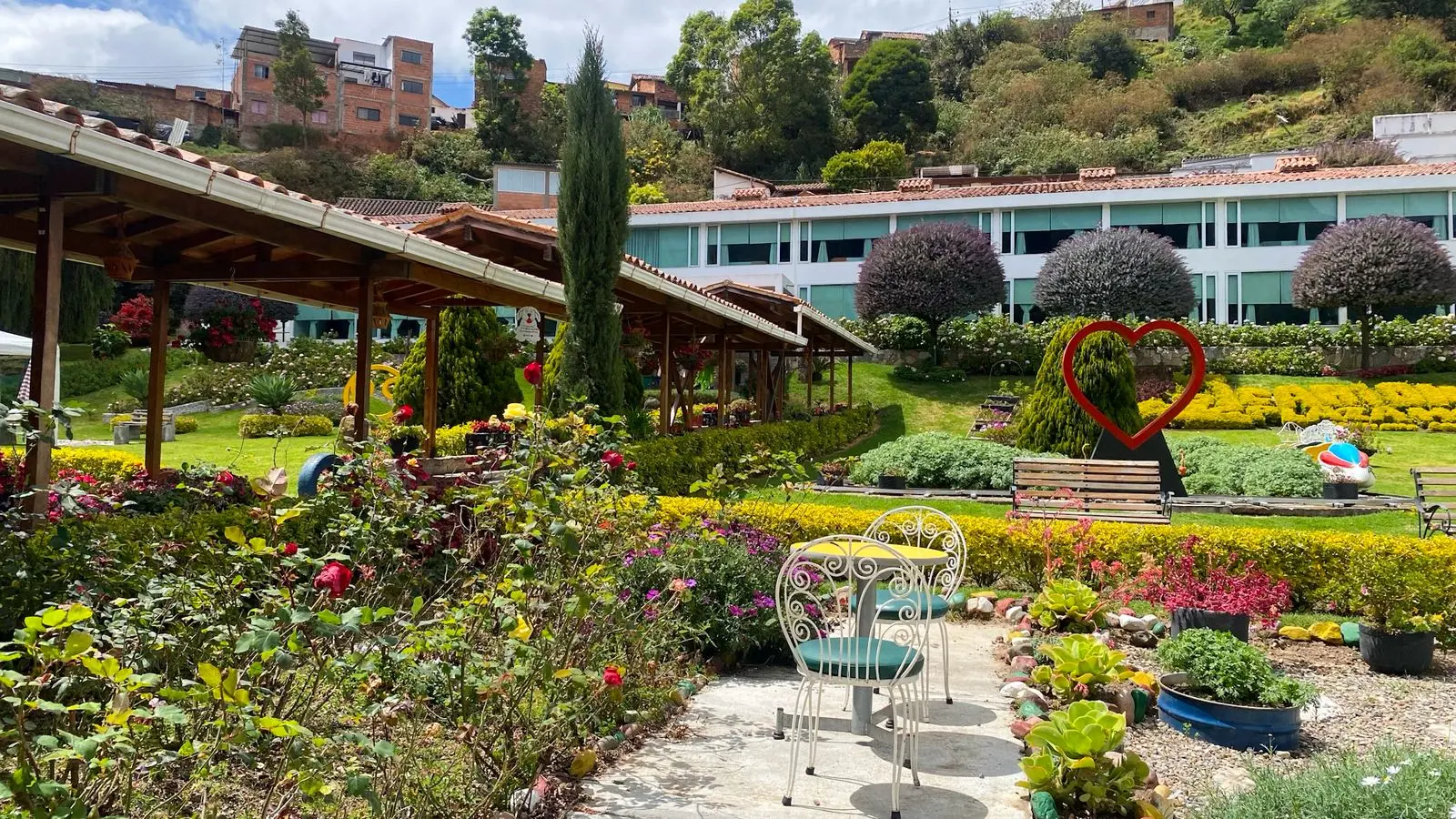
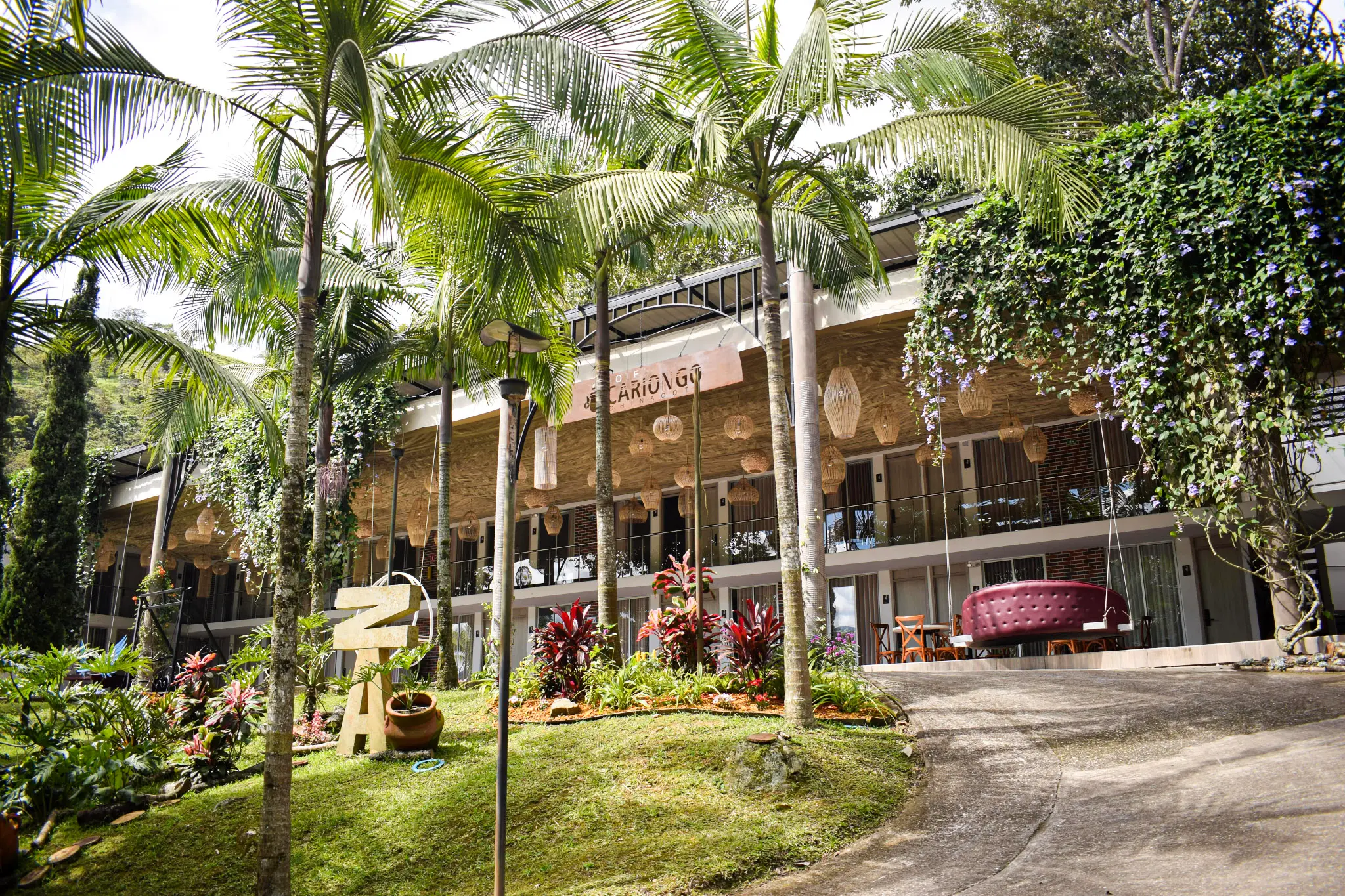
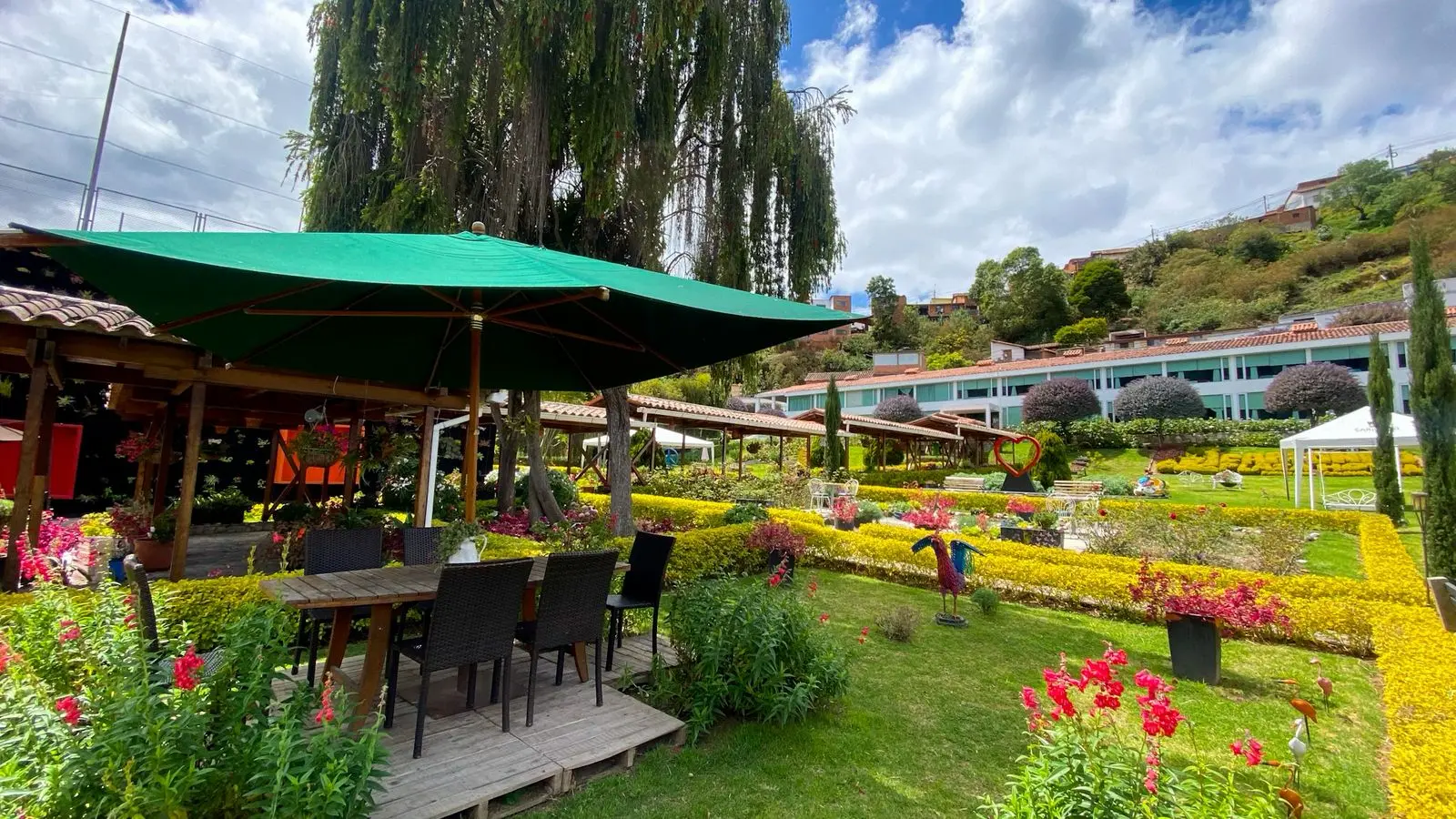
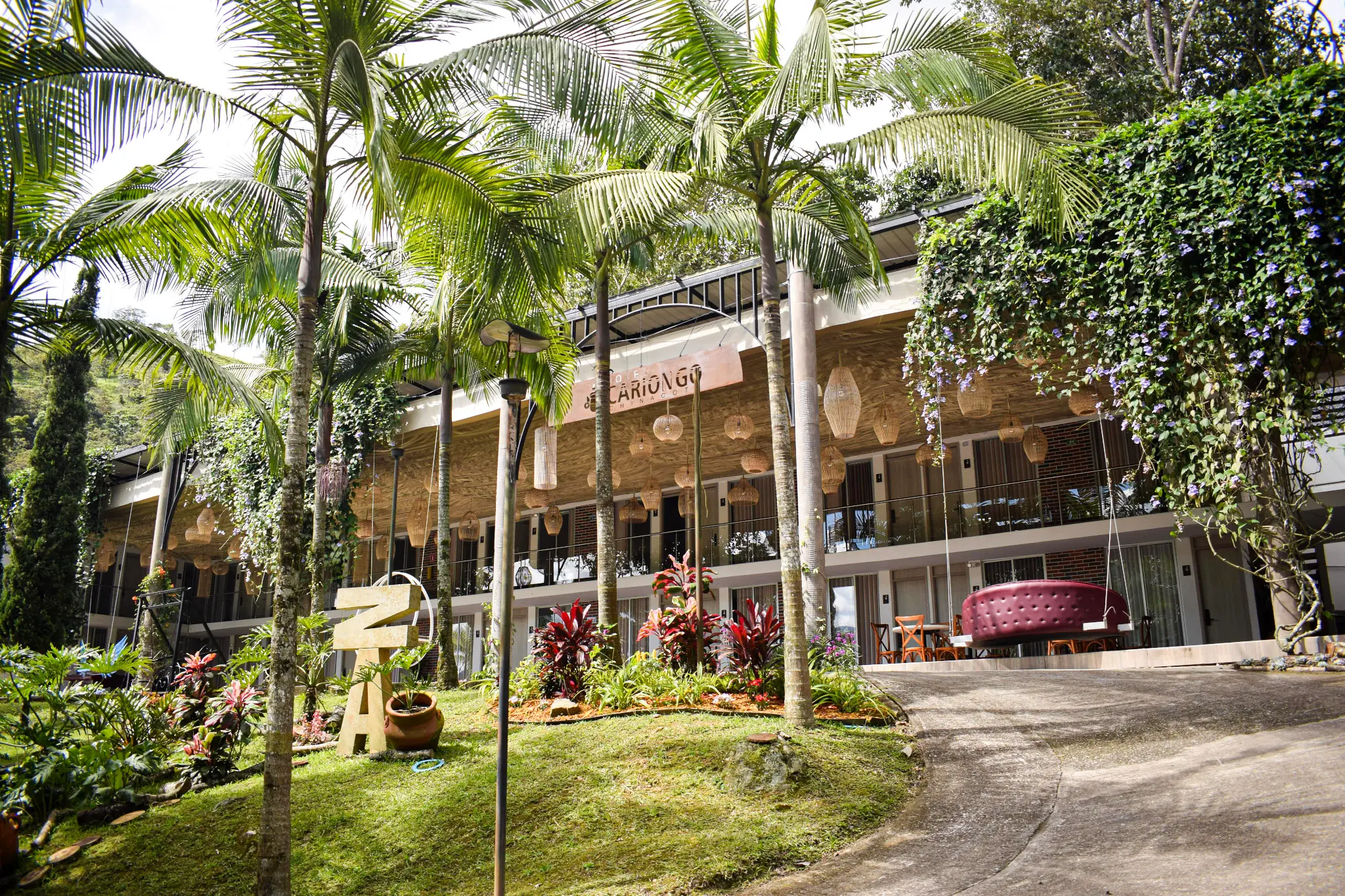
Hotel Cariongo Pamplona is part of that environment and offers a perfect starting point for those arriving to explore the Mitred City, its heritage, its cuisine, and its traditions.
Because that may be one of the best ways to understand Pamplona: not just by visiting its historic sites, but by allowing yourself to explore it with curiosity.
The Mitred City continues to write its history.
Asking why Pamplona is called the "Mitred City" might seem like a simple question at first. The answer can also be summarized in a few words: because of its ecclesiastical importance and its role as the seat of the Archdiocese of Nueva Pamplona.
But when you look a little closer, the answer becomes much broader.
It is in its churches.
In its museums.
In its squares.
In its historic houses.
During Holy Week.
In the works of art that have withstood the test of time.
And also in the people who continue to make these traditions a part of the city's life.
That is what makes a name like the Mitred City special: it is not just a title inherited from the past. It is a gateway to understanding a part of what Pamplona has been and continues to be.
Perhaps that is why, when you walk its streets and discover everything behind that name, Pamplona ceases to be just another destination in Norte de Santander.
It becomes a story that you can still walk through.

HOTEL CARIONGO
Discover Pamplona
Have questions? Or want to learn more about Hotel Cariongo and Pamplona?


Why is Pamplona called the Mitred City? The story behind one of its most important titles.

The Art of Choosing a Hotel: 7 Things to Check Before Booking Your Stay in Norte de Santander
Mid-Year Vacations: The Perfect Time to Escape to Pamplona and Chinácota
.webp)
Cultural tourism in Pamplona and Chinácota: discover the soul of Norte de Santander from Hotel Cariongo

Mid-Year Vacation: Relax with your family amidst the mountains, local flavors, and tranquility

Tourism in Pamplona: January and February
Christmas tourism in Pamplona

Natural areas and flavors of Pamplona

Children's Holy Week in Pamplona
Who said you have to wait for the weekend? Discover Pamplona and Chinácota during the week
.webp)
The gift of time: the best treat for Mom this May
Holy Week in Pamplona: a tradition experienced through history, faith, and the mountains
Magical routes through Norte de Santander: tourism among mountains, history, and tradition

Nature trails in Norte de Santander: mountains, rivers, and unique landscapes
Pamplona and Chinácota: cradle of the heroes and heroines of independence
Reunions, tradition, and flavor: this is how family life is experienced in the mountains
.webp)
Plans for couples or families: unforgettable getaways in Pamplona and Chinácota

High-Altitude Flavors: Pamplonese Cuisine and Mother's Day Celebrations at Hotel Cariongo

Easter Week in Pamplona

HOLY WEEK IN PAMPLONA: A FESTIVAL OF EMOTION AND TRADITION

Holy Week in Pamplona: Intangible Cultural Heritage of the Nation

Pamplona 2024 Tourist Calendar

Eduardo Ramirez Villamizar Museum of Modern Art in Pamplona

Intangible Cultural Heritage of the nation

More than just a place to sleep: the true value of a great hotel experience
.webp)
The Cúcuta mom: a celebration that doesn't fit into a single Sunday
Women Who Travel, Women Who Inspire
March: traveling is also a way to celebrate women
February among traditions: experiencing Pamplona and Chinácota like a local
New Year Getaways: Reconnect, rest, and breathe
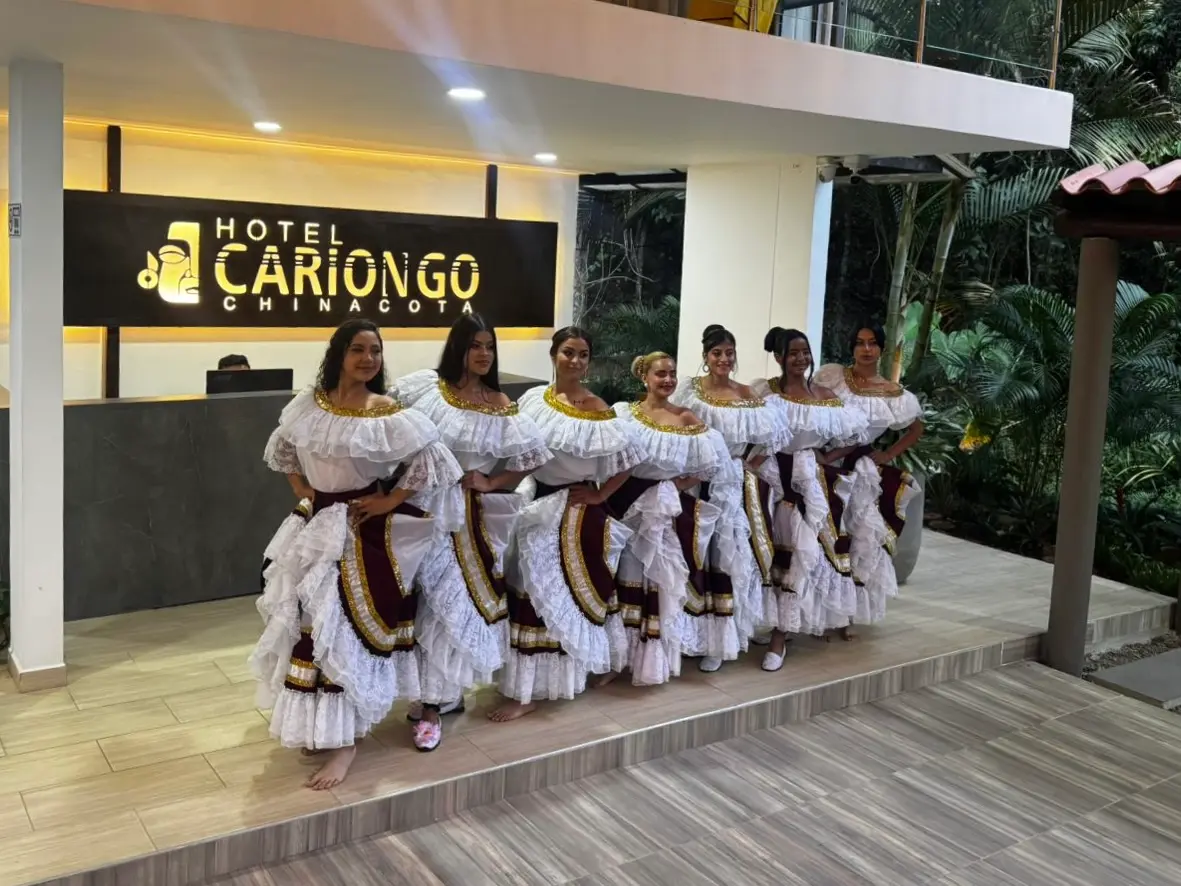
Legends and traditions of Norte de Santander: stories that live in the mountains
%20(1).webp)
The traditional gastronomy of Pamplona and Chinácota: a journey of flavors
Connecting festivals: music, dance, and gatherings in the towns of Norte de Santander

A July of devotion and celebration: The Virgin of Carmen in Norte de Santander

The Wonders of Pamplona at Christmas

A tourist epicenter of Colombia

Stories of Pamplona, our epic town
.webp)
Five spots in Pamplona and Chinácota that change throughout the day

Behind a great stay: everything that happens before you open your room door
.webp)
Chinácota: a destination to be discovered at your own pace
January: the perfect month to start the year in peace among the mountains
Ending the year in the mountains: a different way to experience December 31st in Norte de Santander
.webp)
December: the perfect month to pause and travel at your own pace

Where to spend the best vacation in November
Among mountains and fresh breezes: November, the perfect month to unplug in Pamplona and Chinácota
.webp)
The architectural and cultural heritage of Pamplona: living history in every street

Between Mountains and Traditions: Holy Week, Pamplona 2025

Discover Chitarero Restaurant

In February, Pamplona Celebrates Love with Valentine's Day

The Best Restaurant in Pamplona
August is the time to see Norte de Santander through new eyes: experiences that go beyond the destination
December 24th: A Christmas to experience slowly among mountains and traditions
Camilo Daza: the visionary who led Norte de Santander to conquer the sky
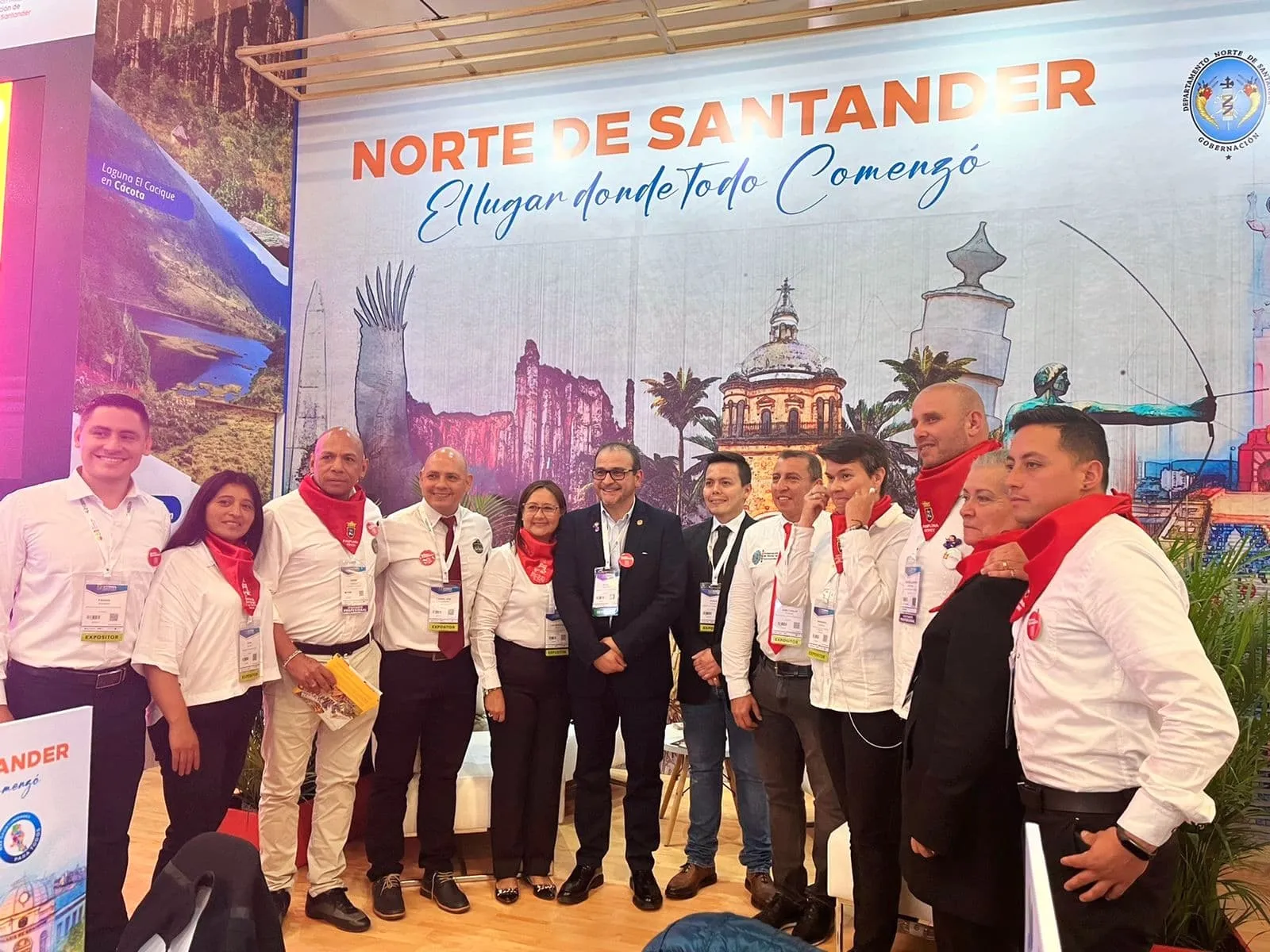
ANATO COLOMBIA 2024