

Articles
Pamplona and Chinácota: cradle of the heroes and heroines of independence
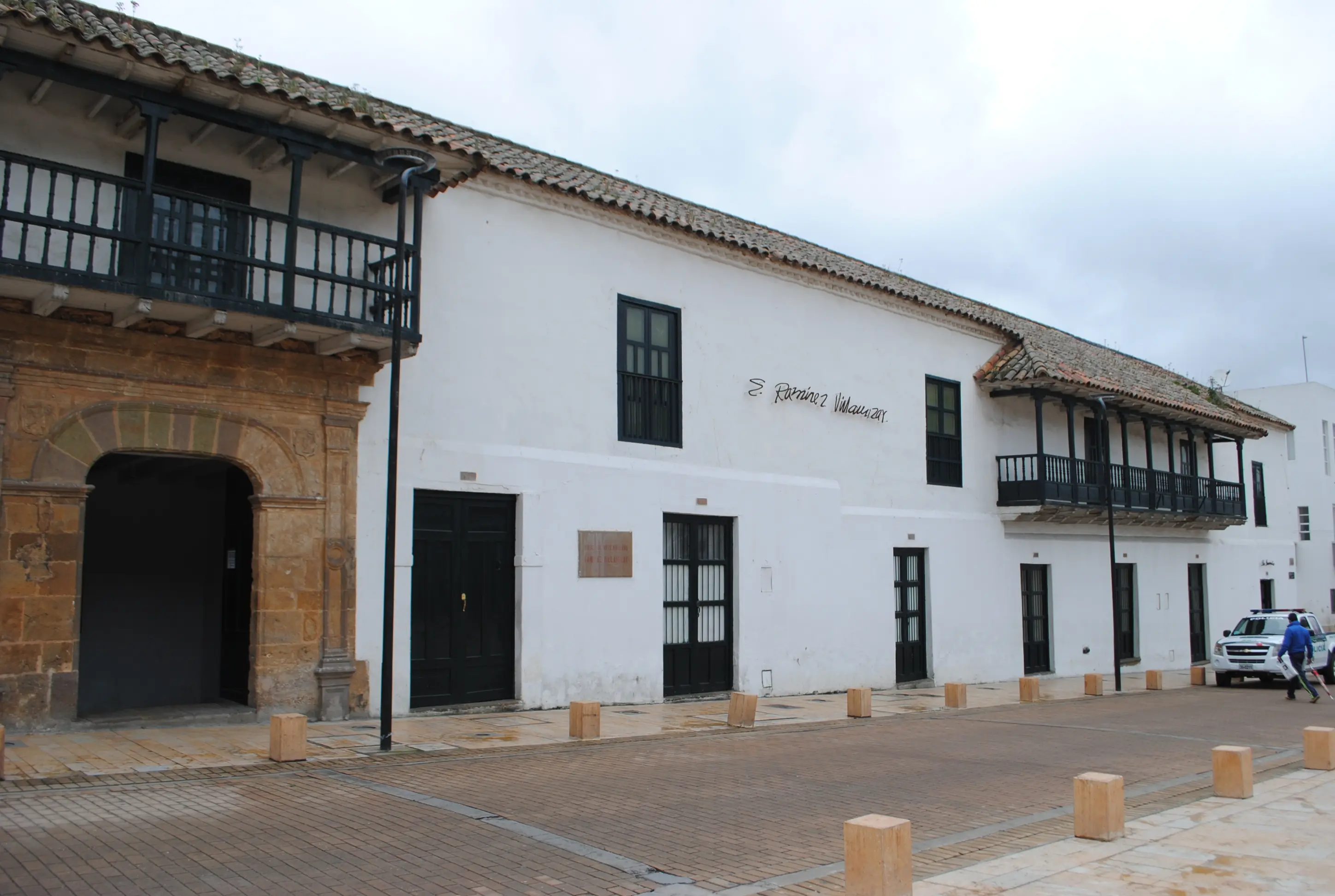
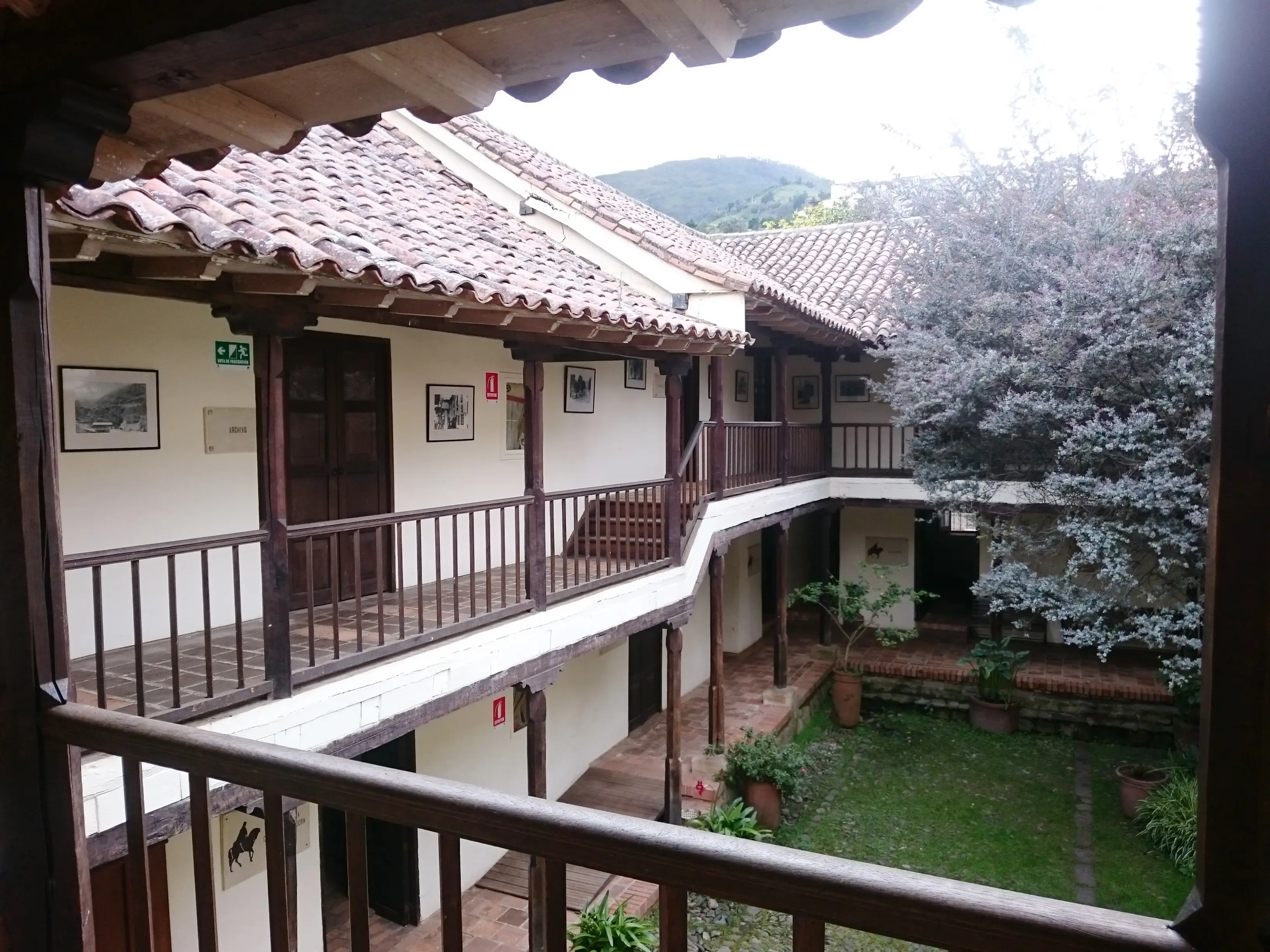
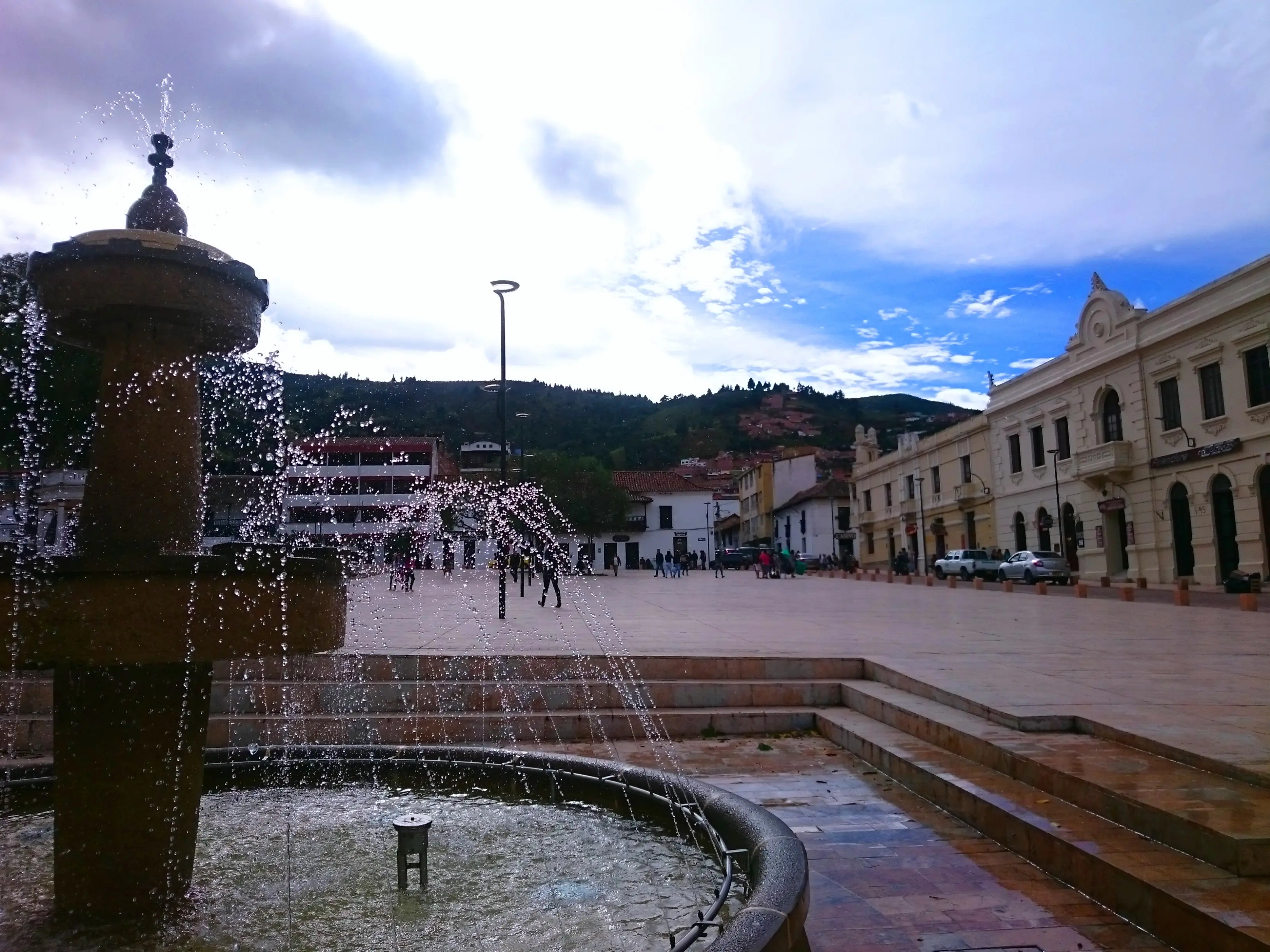
Walking through the cobblestone streets of Pamplona is like stepping back in time. Its colonial houses, with wooden balconies and white facades, hold the secrets of an era when freedom was woven into every conversation and every act of bravery. Just a few kilometers away, in Chinácota, the fresh mountain air and the rustling of the pines serve as a reminder that this town also witnessed decisive days in Colombia's history.
The country's independence was not solely the result of epic battles in famous settings like Boyacá or the Pantano de Vargas; it was also forged in provincial towns and cities, where men and women contributed through logistics, politics, economics, and, above all, courage. Pamplona and Chinácota are clear examples: cradles of heroes and heroines who, though sometimes overlooked by grand narratives, played an essential role in the liberation movement.
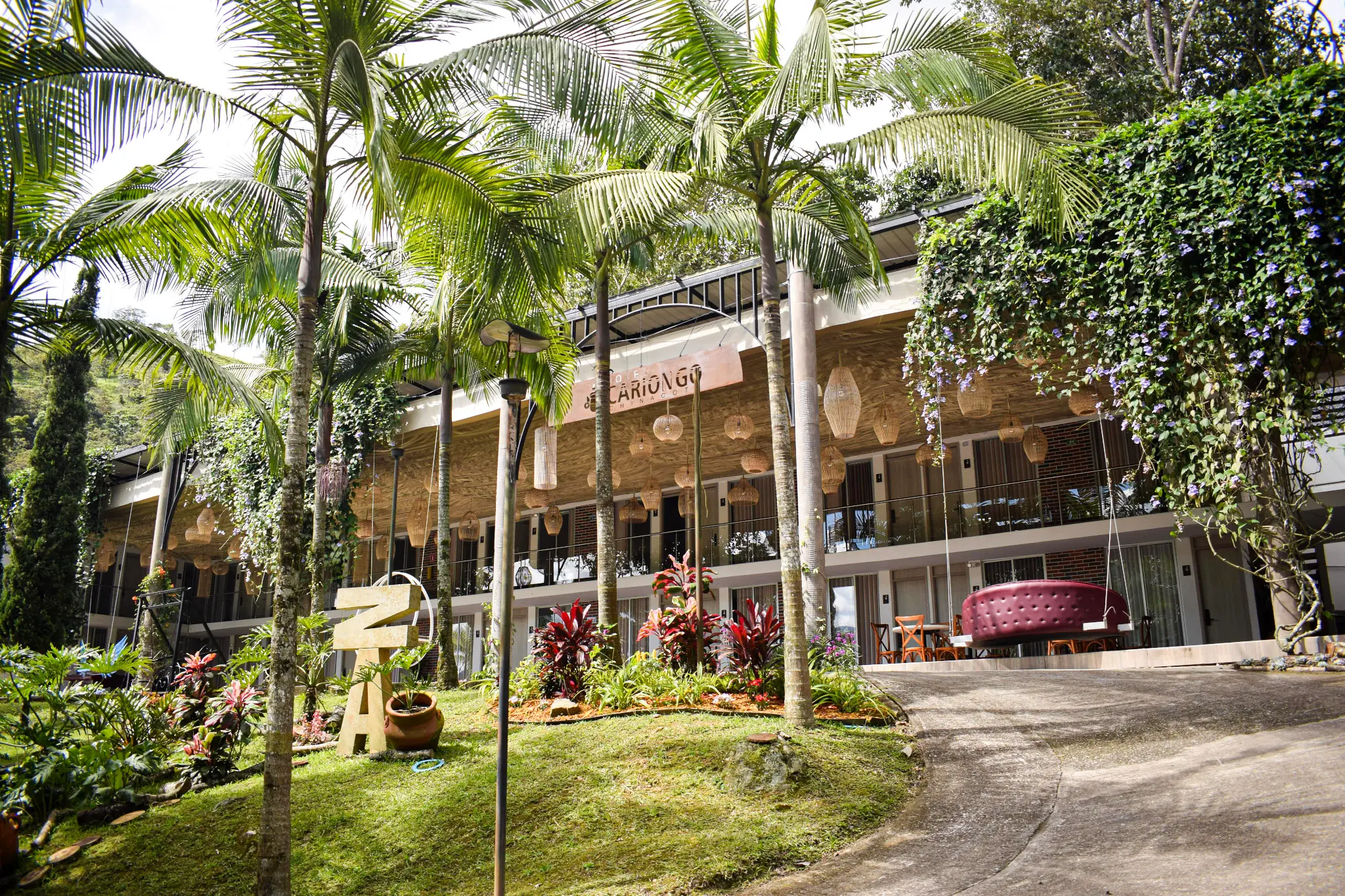
Today, traveling through these lands is also a way to reconnect with history, to experience firsthand the places where the flame of freedom was ignited, and to rest in welcoming spaces like Hotel Cariongo, which invites you to combine culture, memory, and hospitality in the heart of Norte de Santander.
.webp)
Pamplona: A Protagonist in the Independence
History recognizes Pamplona as one of the first cities to proclaim its support for the independence movement. Its geographical location, between Bogotá and Cúcuta, made it a strategic hub for troop movements, the exchange of messages, and the safeguarding of resources.
In 1810, while the first movements were brewing in Santafé and other cities of the viceroyalty, Pamplona was already raising its voice in favor of freedom. Local councils, composed of civil and religious leaders, became the settings for intense political debates.
Águeda Gallardo de Villamizar: The Heroine of Pamplona
Among the most remembered figures is Águeda Gallardo, who went down in history for her commitment to the liberation cause. A determined woman of strong character, she used her social and political influence to support the patriots. It is said that she provided resources, shelter, and even risked her own safety so that revolutionary leaders could find a safe haven in Pamplona.
Águeda is considered one of the first women to play an active role in the independence movement from the region. Her example demonstrates that freedom was not achieved only on the battlefield, but also in the homes, the town squares, and the hearts of those who staked everything on a free country.
Historical sites in Pamplona
Today, visitors to the city can explore sites that still preserve the memory of that era:
• Santa Clara Cathedral: A hub for religious and social life, where matters beyond the spiritual were discussed.
• Museum of Religious Art and Ramírez Villamizar Museum of Modern Art: Spaces that, while dedicated to art, connect with the history and culture of Pamplona.
• Águeda Gallardo Plaza: Which pays tribute to this courageous woman, serving as a reminder of her contributions.
Chinácota and its contribution to the liberation process
Chinácota, with its mountain landscapes and temperate climate, was more than just a stopover. During the independence movement, its geographical position made it a strategic refuge and a resting place for troops and travelers.
Although no major battles were recorded on its soil, it is known that the routes to Venezuela and Cúcuta passed through its paths, making it essential for communication between the patriot armies.
Chinácota in the struggle
The participation of Chinácota's inhabitants was not always recorded in official history books, but oral traditions tell of families who provided food, supplies, and hiding places for those fleeing royalist persecution. In times of war, these everyday acts meant the difference between life and death, between defeat and resistance.
The community spirit of Chinácota, which is felt today in its hospitality and welcoming small-town atmosphere, was already present in those years, when they joined the liberation cause without expecting any recognition.
Historical sites in Chinácota
The town preserves an atmosphere that transports you to another era:
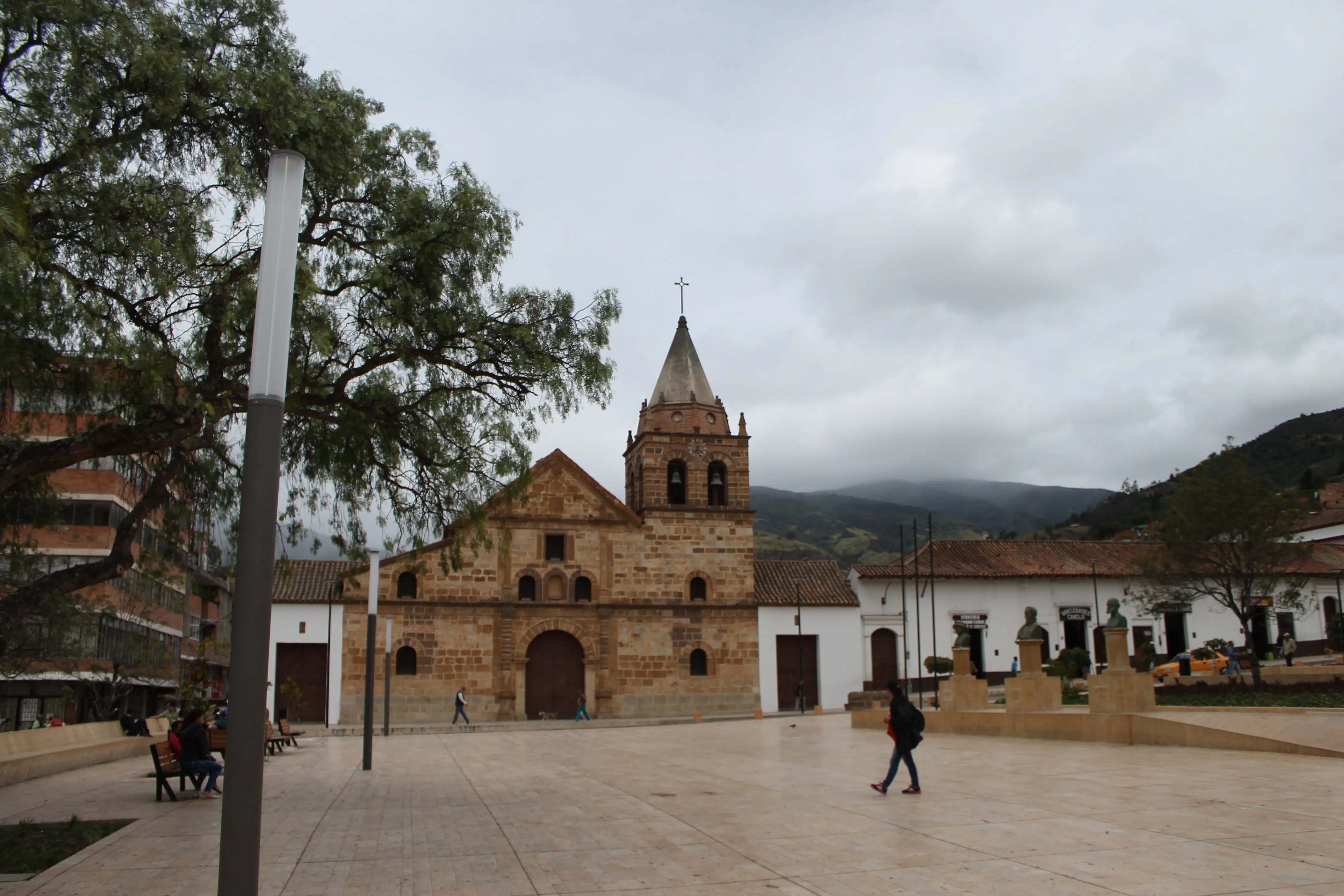
• San Juan Bautista Temple, an architectural gem that witnessed the social and religious processes of the independence movement.
• Natural viewpoints that evoke how these mountains served as strategic corridors.
• The historic center of Chinácota, with its quiet streets and colonial houses that still hold the essence of those years.
Forgotten heroes and heroines
Independence was not the work of a few bronze-statue figures. Behind great names like Bolívar or Santander, there were dozens of unsung heroes who sustained the struggle from their everyday trenches.
In Pamplona and Chinácota, we find examples of:
• Patriotic priests who used their pulpits to ignite the flame of freedom.
• Farming families who provided food for the insurgent armies.
• Brave women, such as Águeda Gallardo, who broke away from the passive roles assigned by colonial society.
• Young volunteers who left their homes to join the liberation campaign.
Although their names have often been lost to time, the region's collective memory continues to recognize that without them, independence would not have been possible.
Historical routes for today's visitor
For tourists interested in exploring this heritage, Pamplona and Chinácota offer tours that combine culture, history, and unforgettable landscapes:
Walking through Pamplona's historic center:
• Its plazas, churches, and museums bring the colonial era to life.
• Perfect for a guided walk that blends history and architecture.
Visiting the Águeda Gallardo Plaza and the Santa Clara Cathedral:
• Iconic landmarks that connect directly to the struggle for independence.
Exploring the historic district of Chinácota:
• Featuring colonial houses, the San Juan Bautista temple, and viewpoints overlooking the Andean landscape.
Museums and historic homes:
• Although many have been repurposed, some spaces still preserve artifacts and documents from those years.
Traveling these routes is also a way to appreciate the cultural heritage of Norte de Santander and to understand that independence was a process that touched every corner of the region.
Hotel Cariongo as a meeting point with history.
After a day spent exploring colonial churches, historic plazas, and streets filled with memories, there is nothing better than relaxing in a space that combines comfort, hospitality, and convenience.
Hotel Cariongo, with locations in both Pamplona and Chinácota, is the perfect place to stay while discovering the history of independence.
• In Pamplona, you will be in the heart of the historic city, just steps away from its museums and plazas.
• In Chinácota, you can enjoy a more rural atmosphere surrounded by nature, ideal for complementing your cultural experience with moments of rest and serenity.
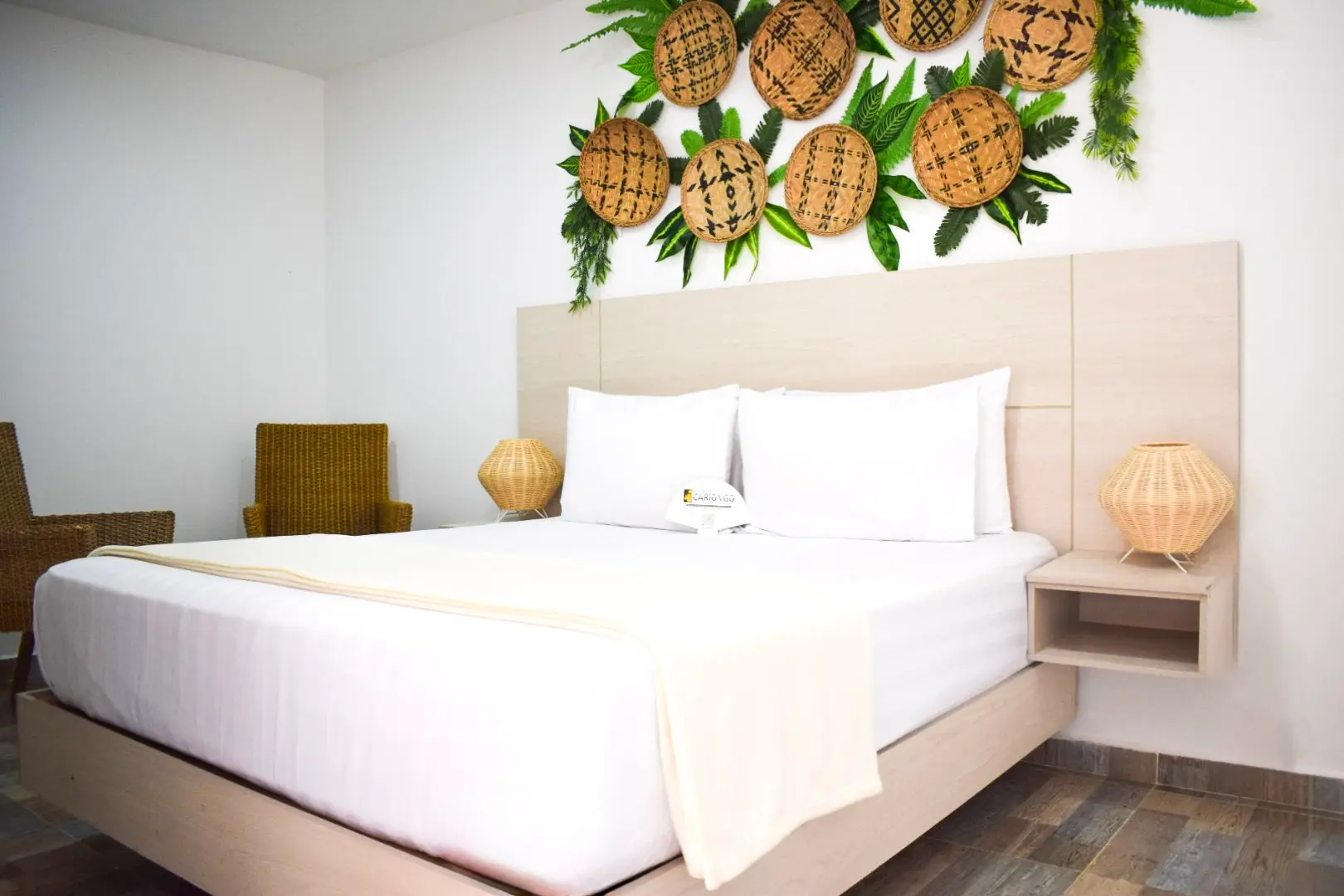
Both locations offer local cuisine, cozy rooms, and the support you need to turn every trip into an unforgettable experience.
Remembering the independence movement from Pamplona and Chinácota is more than just an academic exercise; it is a tribute to the men and women who, with courage and sacrifice, laid the foundations of the Colombia we know today.
Every church, every square, and every corner bears the mark of those heroes and heroines who refused to be broken by fear.
Visiting these lands means reliving history while enjoying the warmth of its people, the richness of its cuisine, and the beauty of its landscapes.
Hotel Cariongo invites you to be part of this unique experience, to explore the cradle of independence in Norte de Santander, and to rest among mountains, history, and tradition. Because more than just a trip, it is a reconnection with our memory and the essence of our freedom.

HOTEL CARIONGO
Discover Pamplona
Have questions? Or want to learn more about Hotel Cariongo and Pamplona?


Why is Pamplona called the Mitred City? The story behind one of its most important titles.

The Art of Choosing a Hotel: 7 Things to Check Before Booking Your Stay in Norte de Santander
Mid-Year Vacations: The Perfect Time to Escape to Pamplona and Chinácota
.webp)
Cultural tourism in Pamplona and Chinácota: discover the soul of Norte de Santander from Hotel Cariongo

Mid-Year Vacation: Relax with your family amidst the mountains, local flavors, and tranquility

Tourism in Pamplona: January and February
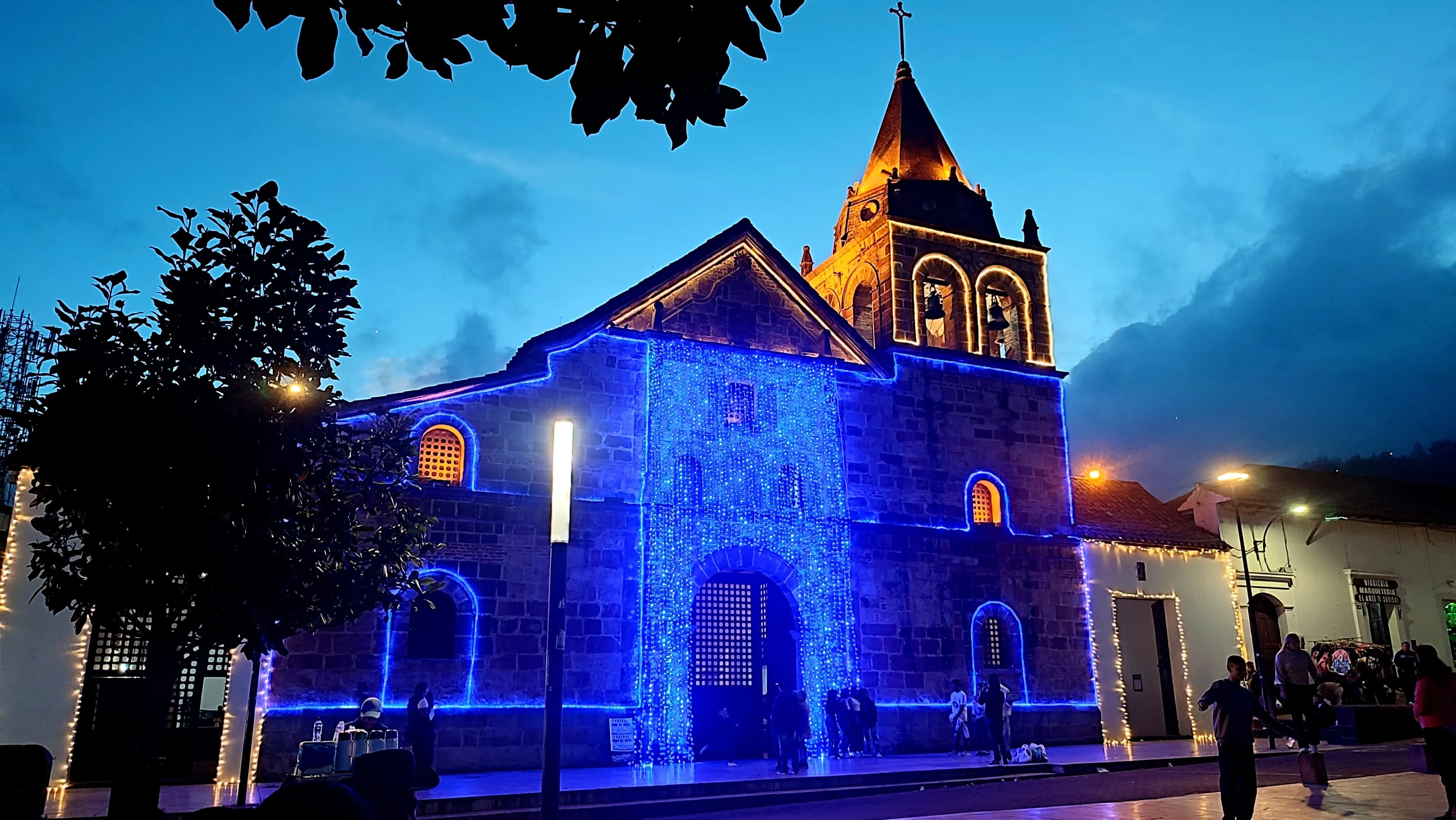
Christmas tourism in Pamplona

Natural areas and flavors of Pamplona

Children's Holy Week in Pamplona
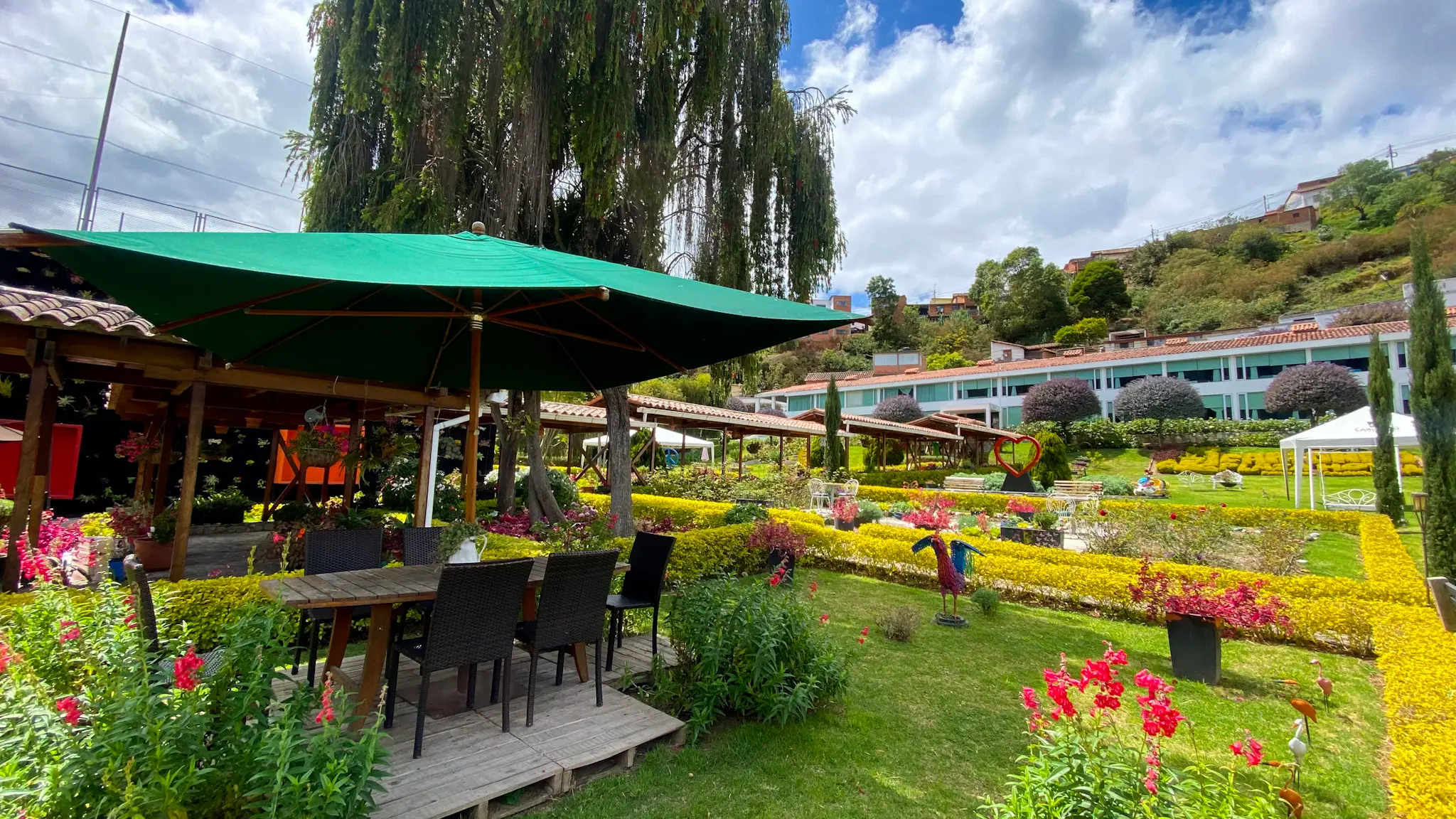
Who said you have to wait for the weekend? Discover Pamplona and Chinácota during the week
.webp)
The gift of time: the best treat for Mom this May
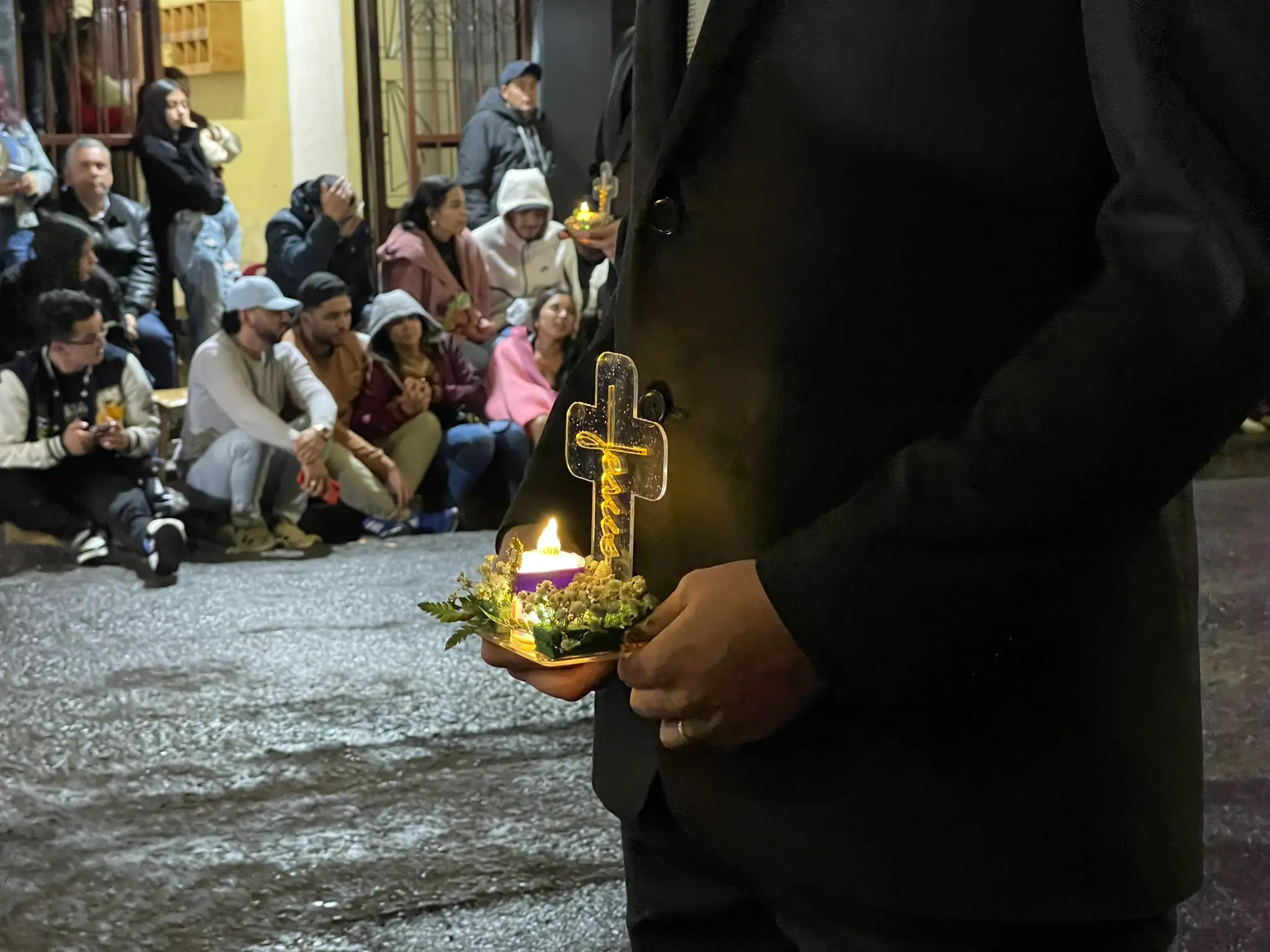
Holy Week in Pamplona: a tradition experienced through history, faith, and the mountains
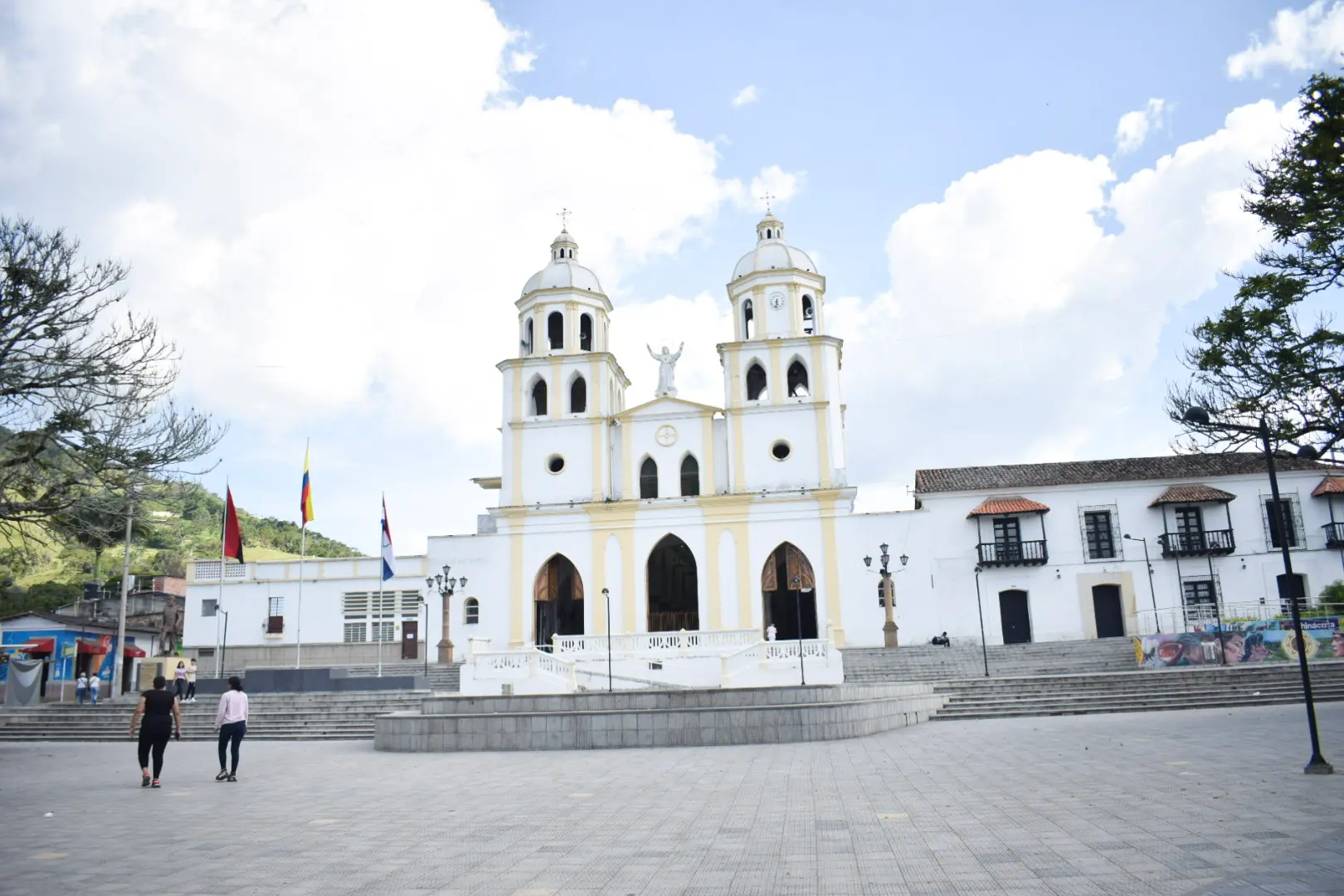
Magical routes through Norte de Santander: tourism among mountains, history, and tradition

Nature trails in Norte de Santander: mountains, rivers, and unique landscapes
Pamplona and Chinácota: cradle of the heroes and heroines of independence
Reunions, tradition, and flavor: this is how family life is experienced in the mountains
.webp)
Plans for couples or families: unforgettable getaways in Pamplona and Chinácota

High-Altitude Flavors: Pamplonese Cuisine and Mother's Day Celebrations at Hotel Cariongo

Easter Week in Pamplona

HOLY WEEK IN PAMPLONA: A FESTIVAL OF EMOTION AND TRADITION

Holy Week in Pamplona: Intangible Cultural Heritage of the Nation

Pamplona 2024 Tourist Calendar

Eduardo Ramirez Villamizar Museum of Modern Art in Pamplona

Intangible Cultural Heritage of the nation

More than just a place to sleep: the true value of a great hotel experience
.webp)
The Cúcuta mom: a celebration that doesn't fit into a single Sunday
Women Who Travel, Women Who Inspire
March: traveling is also a way to celebrate women
February among traditions: experiencing Pamplona and Chinácota like a local
New Year Getaways: Reconnect, rest, and breathe
Legends and traditions of Norte de Santander: stories that live in the mountains
%20(1).webp)
The traditional gastronomy of Pamplona and Chinácota: a journey of flavors
Connecting festivals: music, dance, and gatherings in the towns of Norte de Santander

A July of devotion and celebration: The Virgin of Carmen in Norte de Santander

The Wonders of Pamplona at Christmas

A tourist epicenter of Colombia

Stories of Pamplona, our epic town
.webp)
Five spots in Pamplona and Chinácota that change throughout the day
Behind a great stay: everything that happens before you open your room door
.webp)
Chinácota: a destination to be discovered at your own pace
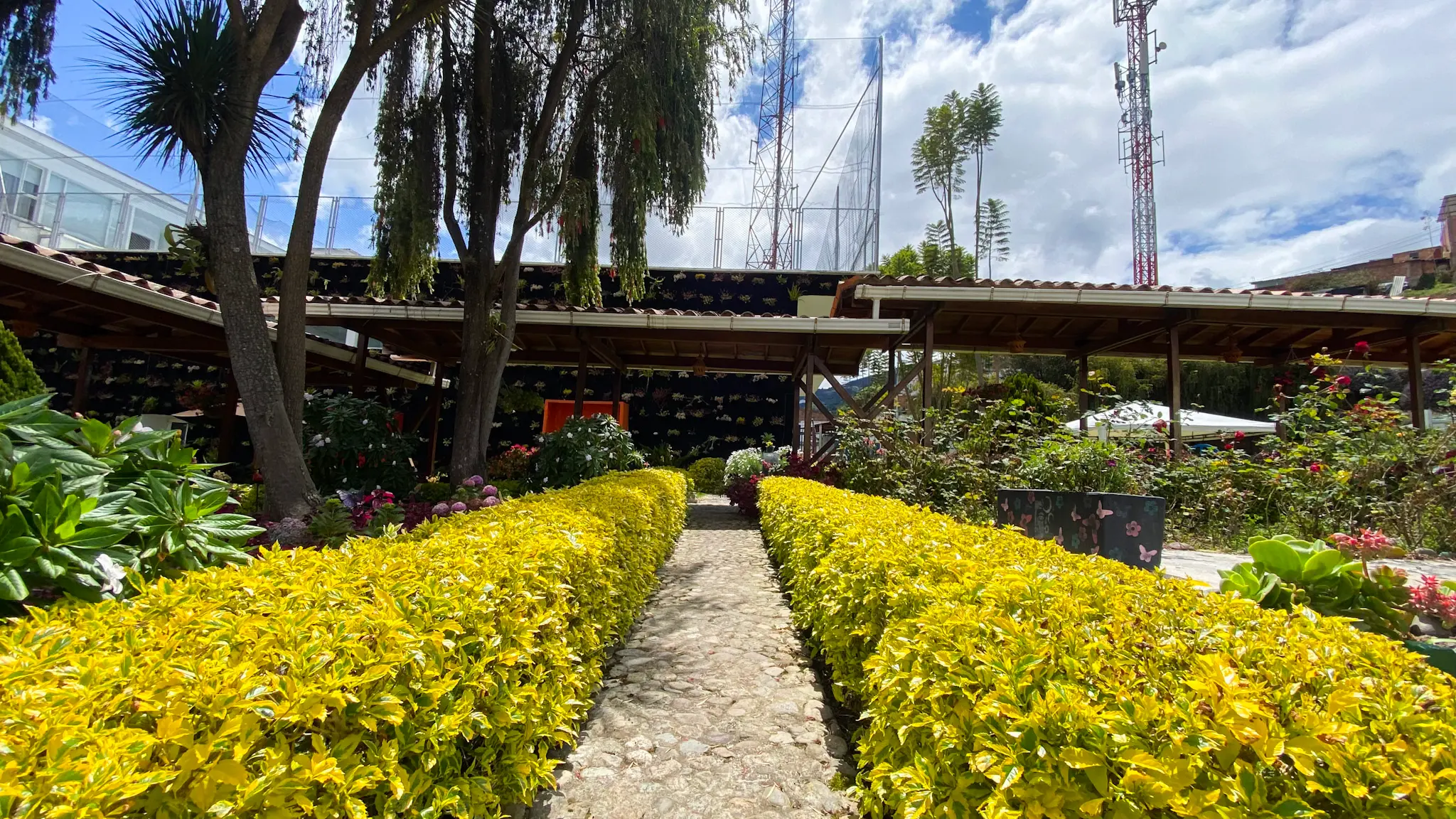
January: the perfect month to start the year in peace among the mountains
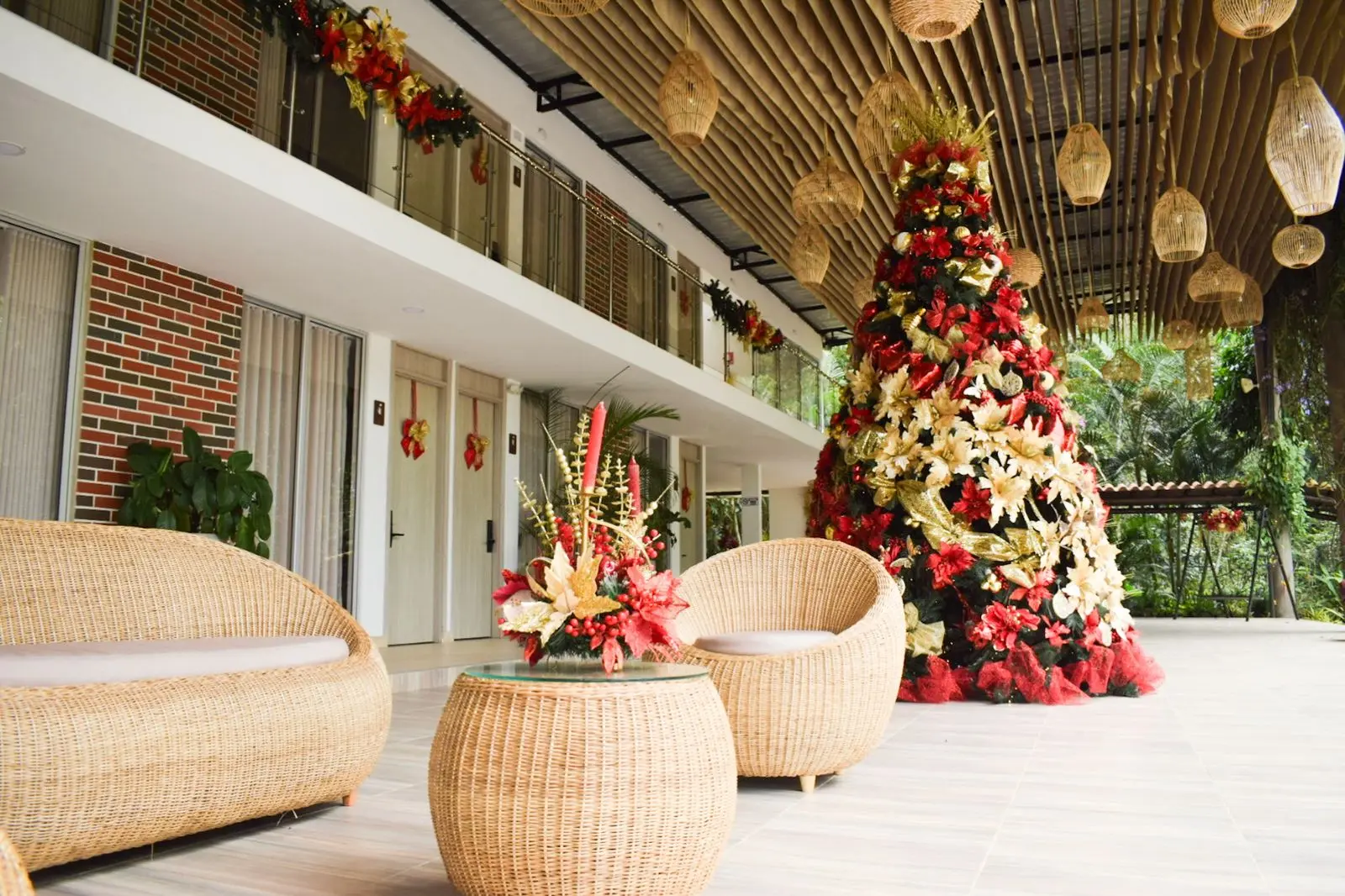
Ending the year in the mountains: a different way to experience December 31st in Norte de Santander
.webp)
December: the perfect month to pause and travel at your own pace

Where to spend the best vacation in November
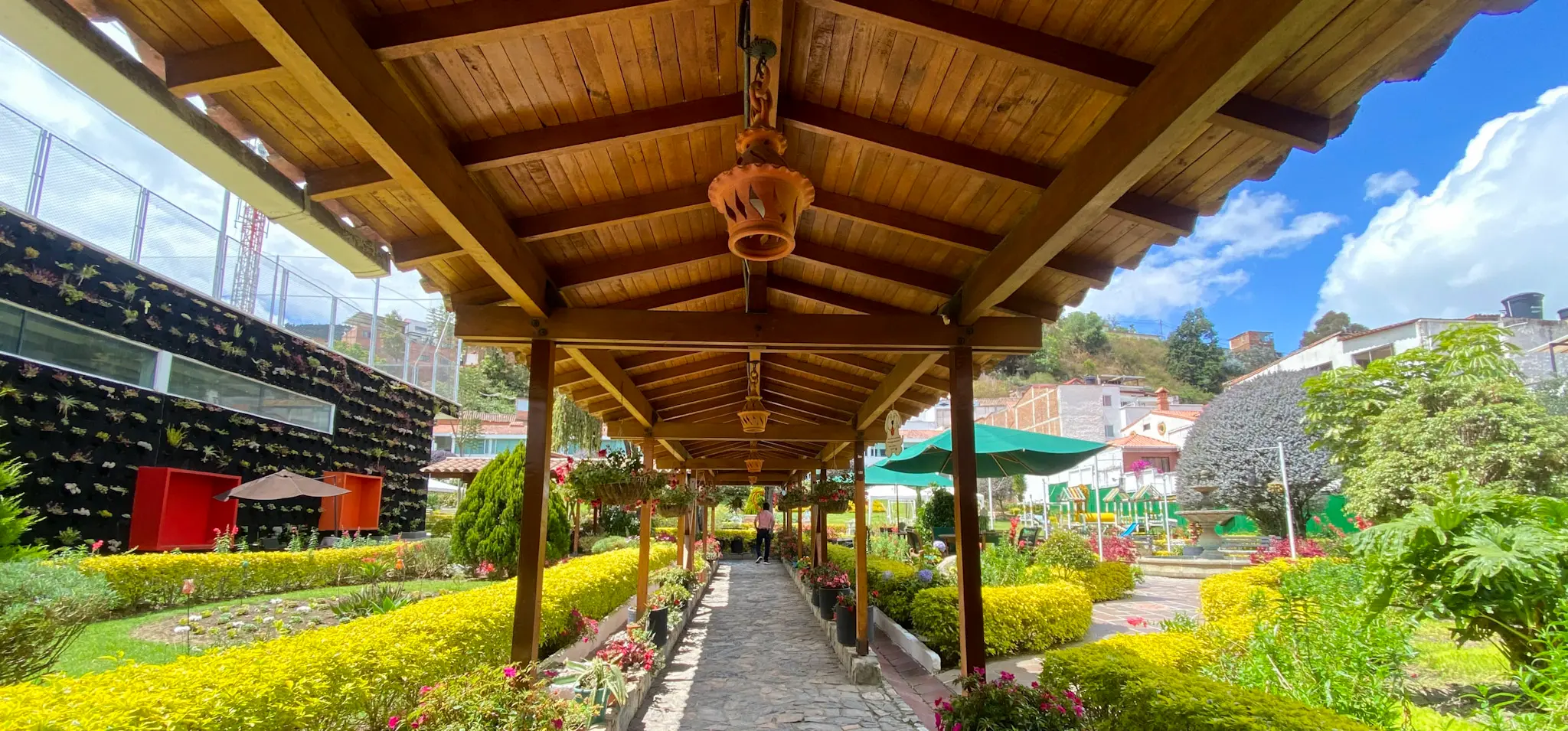
Among mountains and fresh breezes: November, the perfect month to unplug in Pamplona and Chinácota
.webp)
The architectural and cultural heritage of Pamplona: living history in every street

Between Mountains and Traditions: Holy Week, Pamplona 2025

Discover Chitarero Restaurant

In February, Pamplona Celebrates Love with Valentine's Day

The Best Restaurant in Pamplona
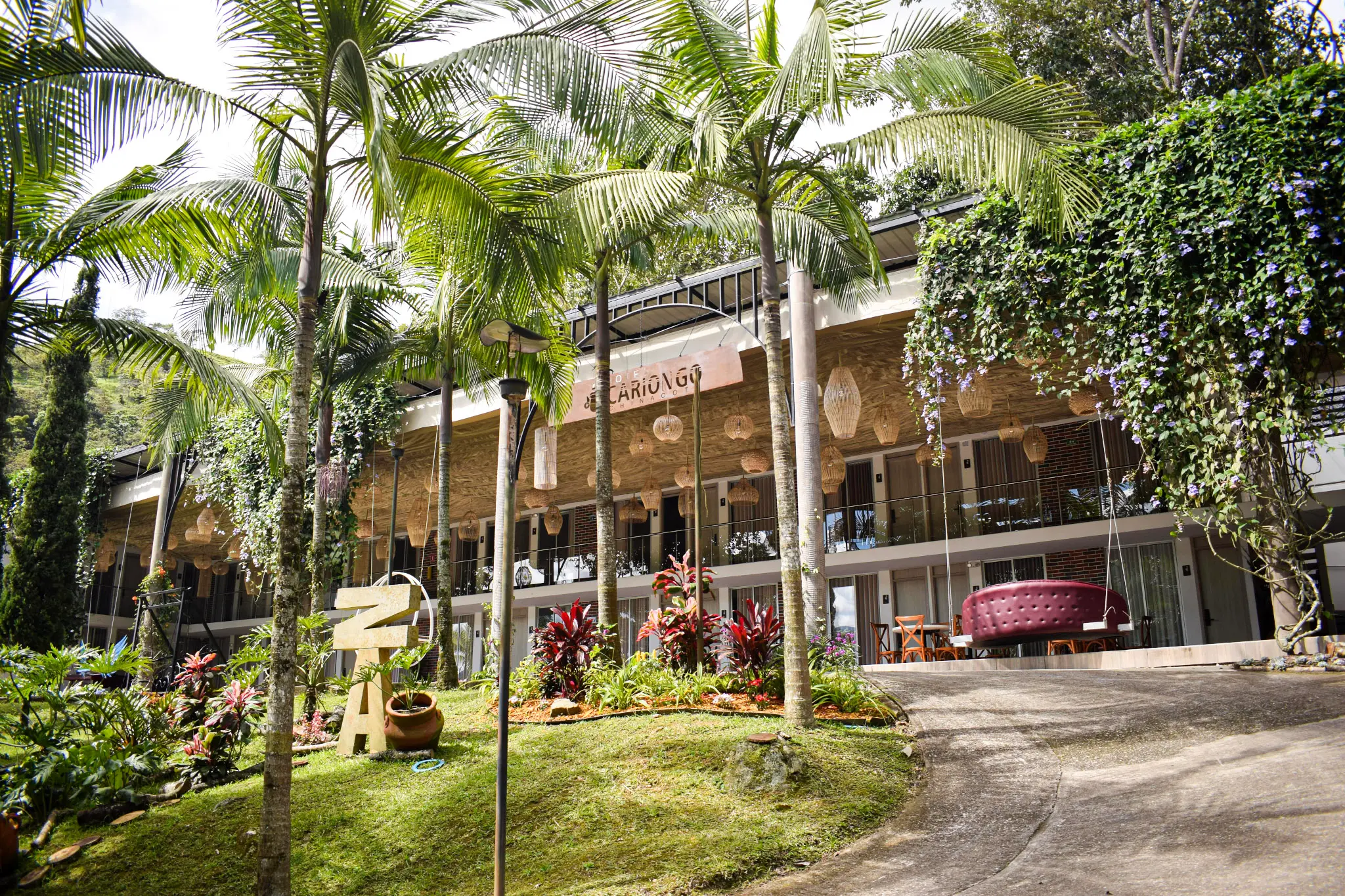
August is the time to see Norte de Santander through new eyes: experiences that go beyond the destination
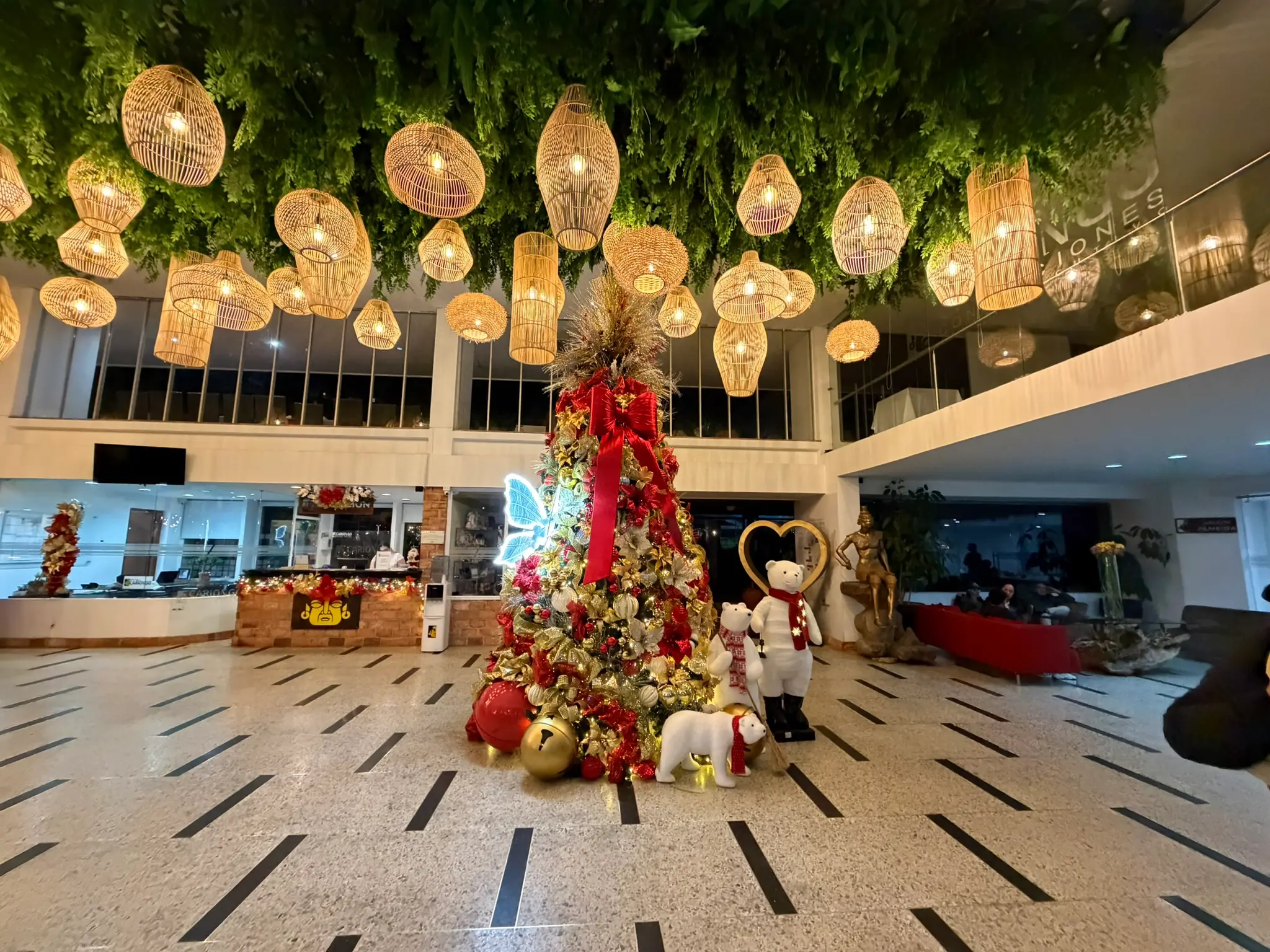
December 24th: A Christmas to experience slowly among mountains and traditions
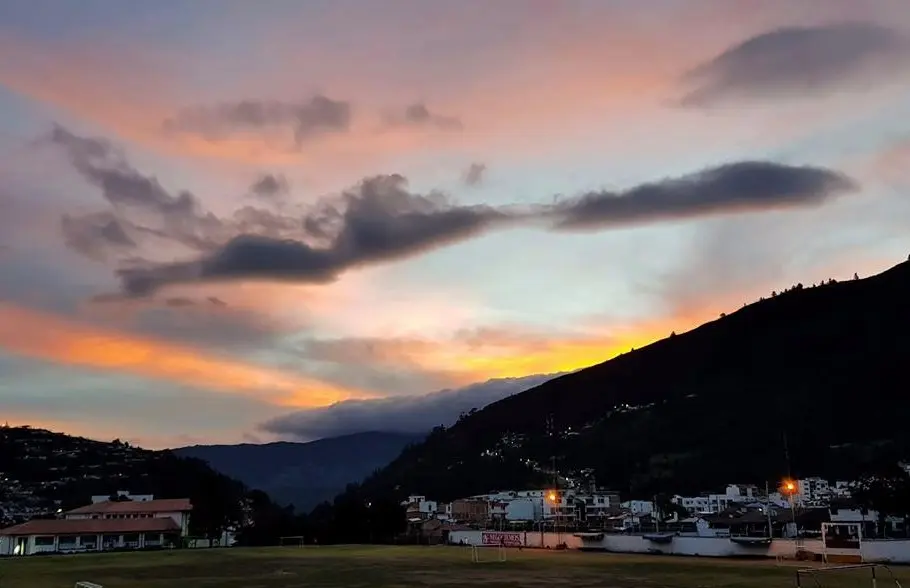
Camilo Daza: the visionary who led Norte de Santander to conquer the sky
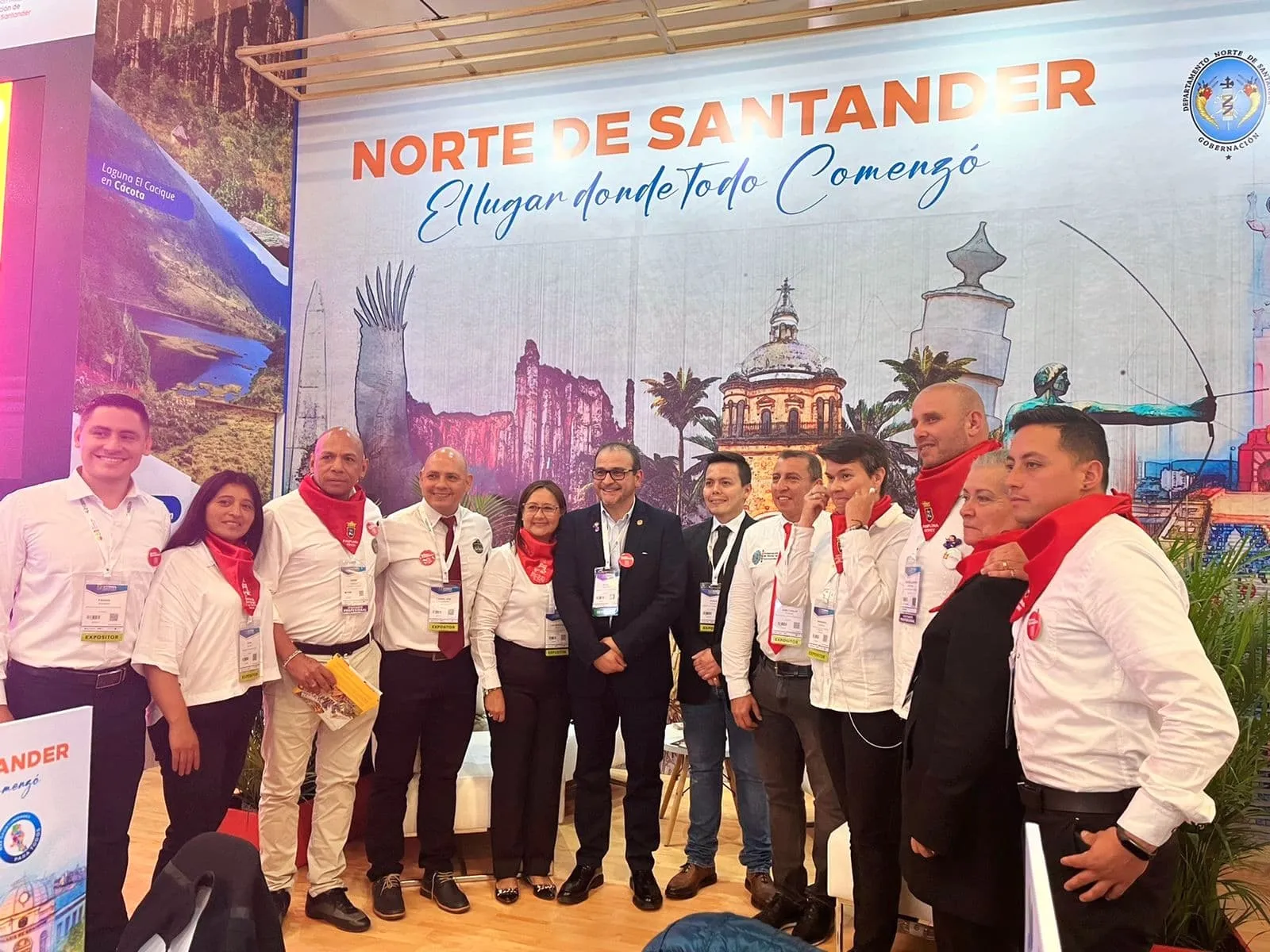
ANATO COLOMBIA 2024