

Articles
The traditional gastronomy of Pamplona and Chinácota: a journey of flavors
%20(1).webp)
When a traveler arrives at a new destination, the first thing they look for is often not found on a map or in a guidebook, but on a table set with recipes that tell stories. Gastronomy is a bridge between memory and the present, between tradition and the curious visitor who wishes to immerse themselves in the local culture through their senses. In Pamplona and Chinácota, two municipalities nestled in the mountains of Norte de Santander, the cuisine does more than nourish: it invites you to discover the identity of a people who have kept their customs alive.
Pamplona, with its colonial air and streets steeped in history, and Chinácota, with its cool climate and welcoming spirit, share a gastronomic heritage passed down from generation to generation. The tables in these lands are a reflection of what it means to live in the region: warmth, generosity, and respect for local products.
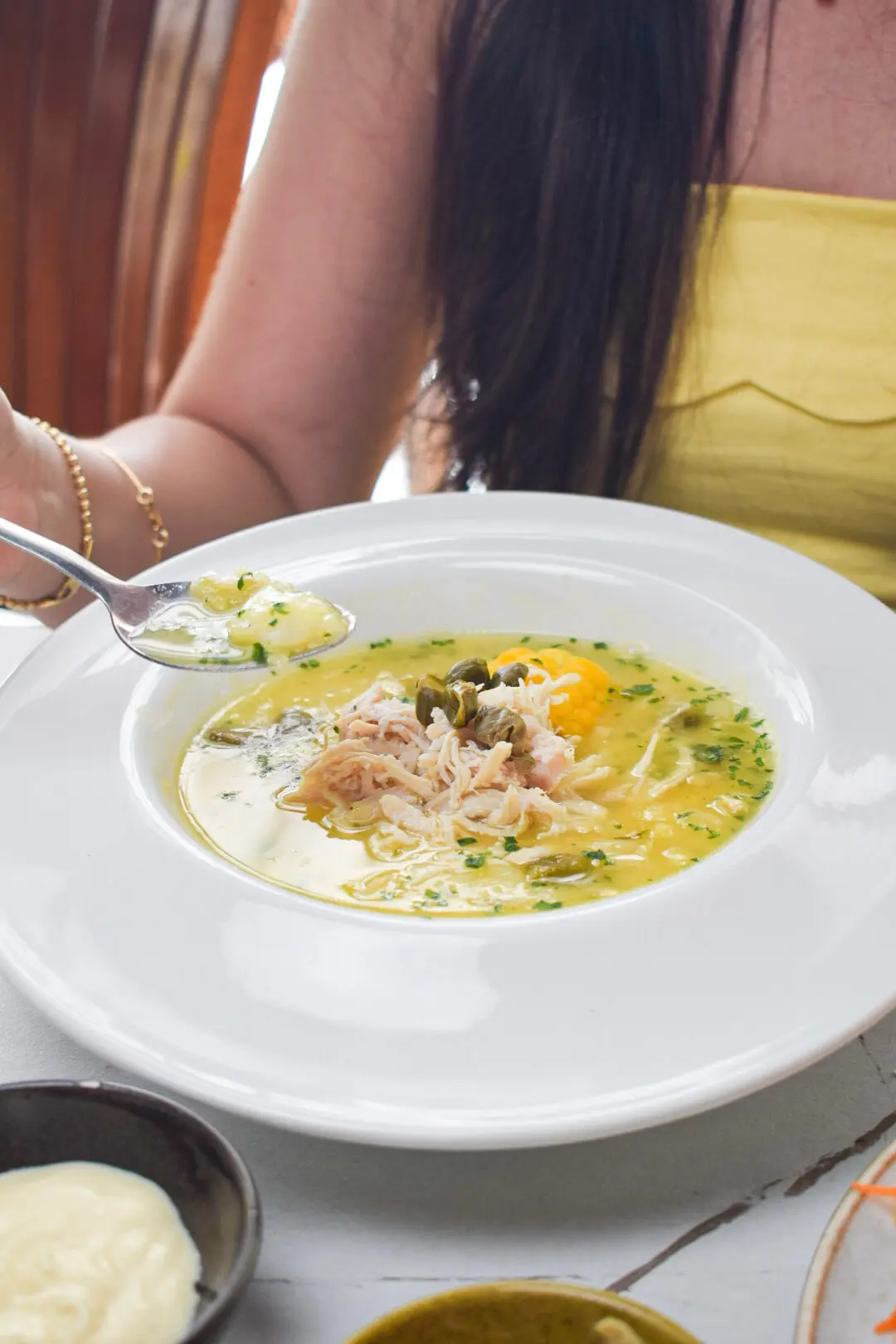
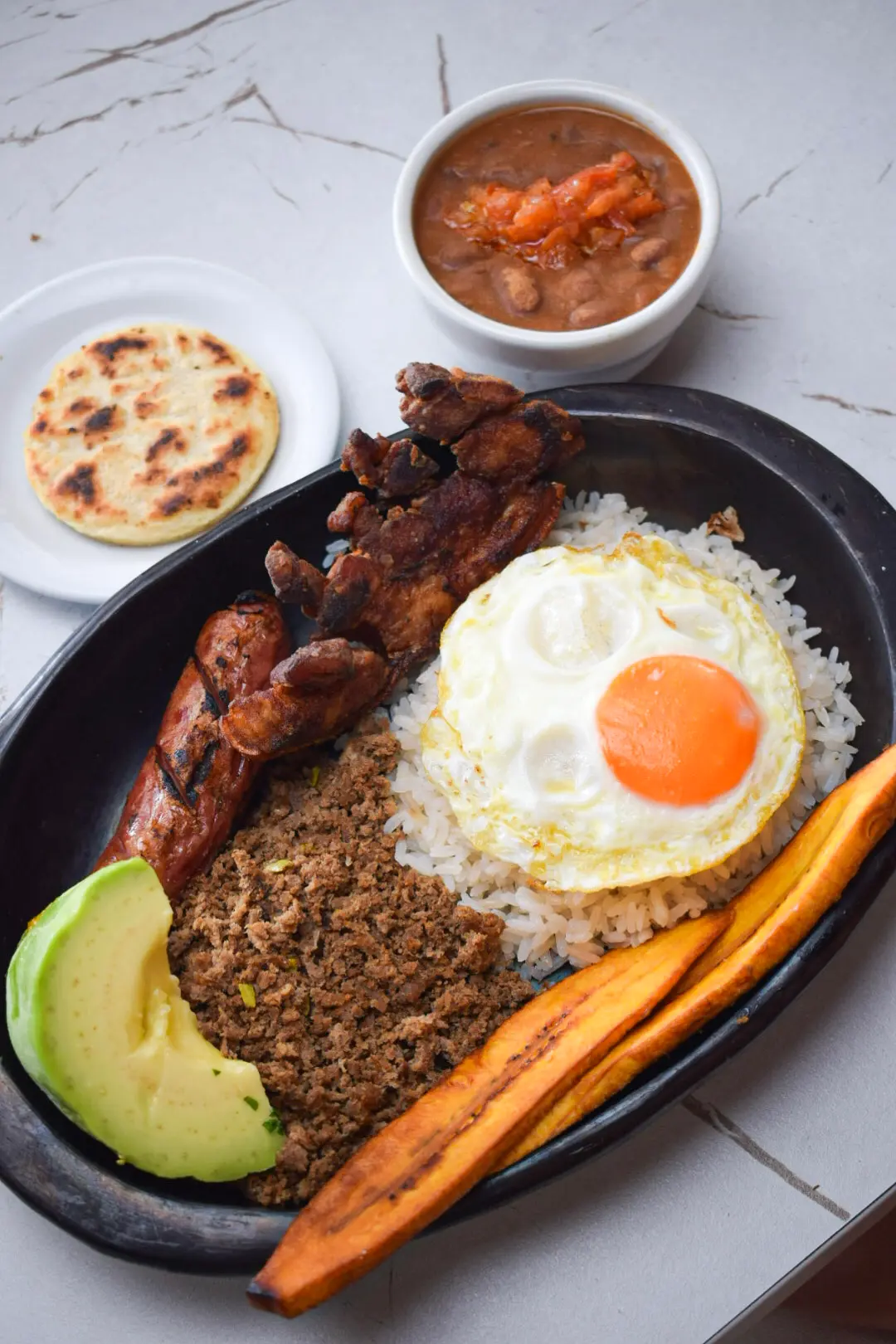
Mute: Comforting tradition
One of the prides of Norte de Santander cuisine is the mute santandereano, a thick soup made with peeled corn, beef, pork, and sometimes chicken, accompanied by chickpeas, potatoes, carrots, and fresh seasonings. Served hot amidst the chill of Pamplona, it is one of those meals that comforts both body and soul.
Tasting a mute in Pamplona is to understand that traditional cooking is also a form of resilience: a dish that has survived the changing times and still holds its place in family kitchens and traditional restaurants today.
Arepas and almojábanas: Breakfast with identity
No less important is the region's baking tradition. Pamplona and Chinácota are renowned for their almojábanas and arepas, which are essential at any breakfast. The almojábana, with its soft texture and slightly sweet flavor, made from fresh curd and corn flour, is the perfect accompaniment to a freshly brewed coffee or a hot chocolate on cold mountain mornings.
Meanwhile, arepas, especially those stuffed with fresh cheese, are proof that simple things can become a delicacy when made with quality ingredients. In many homes, preparing arepas is almost a ritual: the dough is kneaded with patience and shared with family, turning an everyday food into a symbol of togetherness.
The sweet taste of the mountain
Pamplona’s sweet side also holds a place of honor. Artisanal sweets, such as guava, milk, and blackberry preserves, are crafted using traditional recipes that aim to capture the flavors of fresh fruit and local ingredients.
Buying a sweet in Pamplona or Chinácota isn't just about getting a dessert; it’s about taking home a piece of history, a way to preserve collective memory in every bite. Many travelers can't resist taking these products home as souvenirs, as they make for gifts that convey the most authentic spirit of the region.
Chinácota: Flavors and Hospitality
In Chinácota, culinary tradition meets warm hospitality. Its mild climate invites you to stroll through the town and stop at one of its cafes or restaurants to sample local dishes paired with fresh juices or a cup of smooth coffee, grown on the nearby hillsides.
There, homemade empanadas, tamales wrapped in banana leaves, and traditional soups like cuchuco are part of an experience no visitor should miss. Chinácota’s cuisine has that home-cooked flavor, the kind that makes travelers feel as though they are dining at the table of a friend.
Chocolate and Coffee: The Aroma of Tradition
You cannot talk about the gastronomy of Norte de Santander without mentioning the importance of coffee and chocolate. In Pamplona, enjoying a cup of Santander-style chocolate—frothy and served with cheese or bread—is a custom that connects the present to the colonial past.
Coffee, meanwhile, has become an experience that goes beyond simple consumption: it represents rural culture, the hard work of coffee-growing families, and the pride of a product that wins over palates both at home and abroad.
Festivals, Tables, and Collective Memories
The connection between gastronomy and celebration is also key in Pamplona and Chinácota. During Holy Week, patron saint festivals, or family gatherings, the dining table becomes the main stage.
Hearty portions, traditional recipes, and shared flavors reaffirm that eating in this region is not a solitary act, but a collective experience. Food is an excuse to gather, to give thanks, and to strengthen bonds.
Hotel Cariongo: where tradition is served at the table
For visitors arriving in Pamplona or Chinácota in search of rest, Hotel Cariongo is the ideal place not only to stay, but to experience this culinary tradition. At our locations, guests can enjoy cuisine that honors local recipes, featuring dishes prepared with fresh regional ingredients and highlighting the value of food as a fundamental part of the travel experience.
The hotel's kitchen does more than just replicate recipes; it seeks to build a bridge between tradition and modernity. Guests can enjoy traditional cheese-stuffed arepas for breakfast, while also finding options that combine local ingredients with a contemporary twist.
Traveling is also about tasting
To talk about tourism in Norte de Santander without mentioning the gastronomy would be to leave the story incomplete. Those who visit Pamplona and Chinácota don't just walk through colonial streets or enjoy the climate and landscapes: they also savor the culture.
So, if you are planning a visit, don't limit your experience to just touring landscapes or admiring monuments. Treat yourself to the opportunity to sit at a table, order a bowl of mute, try a freshly baked almojábana, sweeten your trip with some guava candy, and end the day with a perfectly prepared cup of coffee or hot chocolate.
At Hotel Cariongo, in both Pamplona and Chinácota, we understand that gastronomy is a fundamental part of tourism. We invite you to discover this journey of flavors with us and let yourself be surprised by the richness of a cuisine that is both tradition and the present.
Because in the end, traveling is also about eating, and in these mountains filled with history and tradition, every bite becomes an unforgettable memory.

HOTEL CARIONGO
Discover Pamplona
Have questions? Or want to learn more about Hotel Cariongo and Pamplona?


Why is Pamplona called the Mitred City? The story behind one of its most important titles.

The Art of Choosing a Hotel: 7 Things to Check Before Booking Your Stay in Norte de Santander
Mid-Year Vacations: The Perfect Time to Escape to Pamplona and Chinácota
.webp)
Cultural tourism in Pamplona and Chinácota: discover the soul of Norte de Santander from Hotel Cariongo

Mid-Year Vacation: Relax with your family amidst the mountains, local flavors, and tranquility

Tourism in Pamplona: January and February
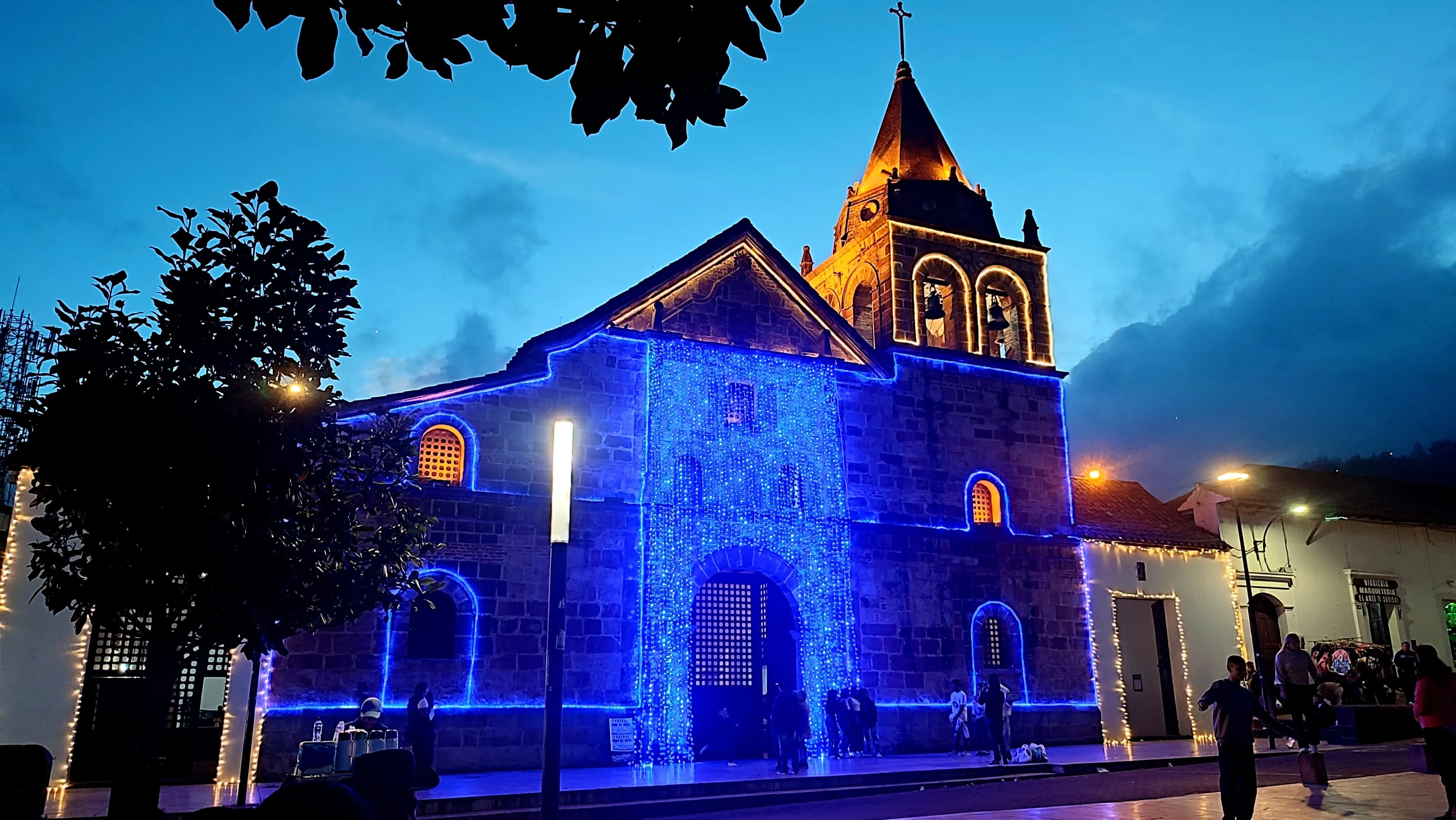
Christmas tourism in Pamplona

Natural areas and flavors of Pamplona

Children's Holy Week in Pamplona
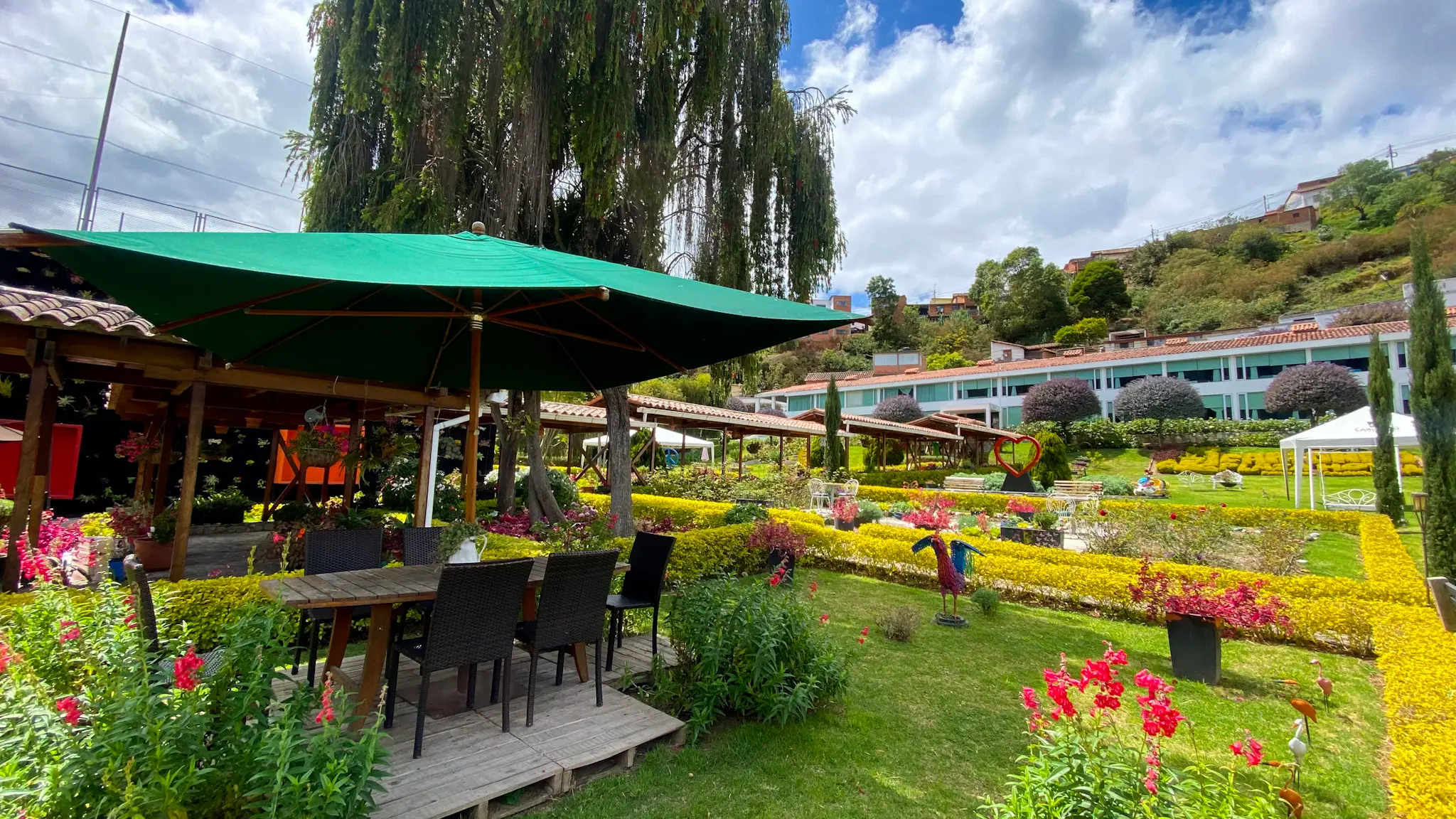
Who said you have to wait for the weekend? Discover Pamplona and Chinácota during the week
.webp)
The gift of time: the best treat for Mom this May
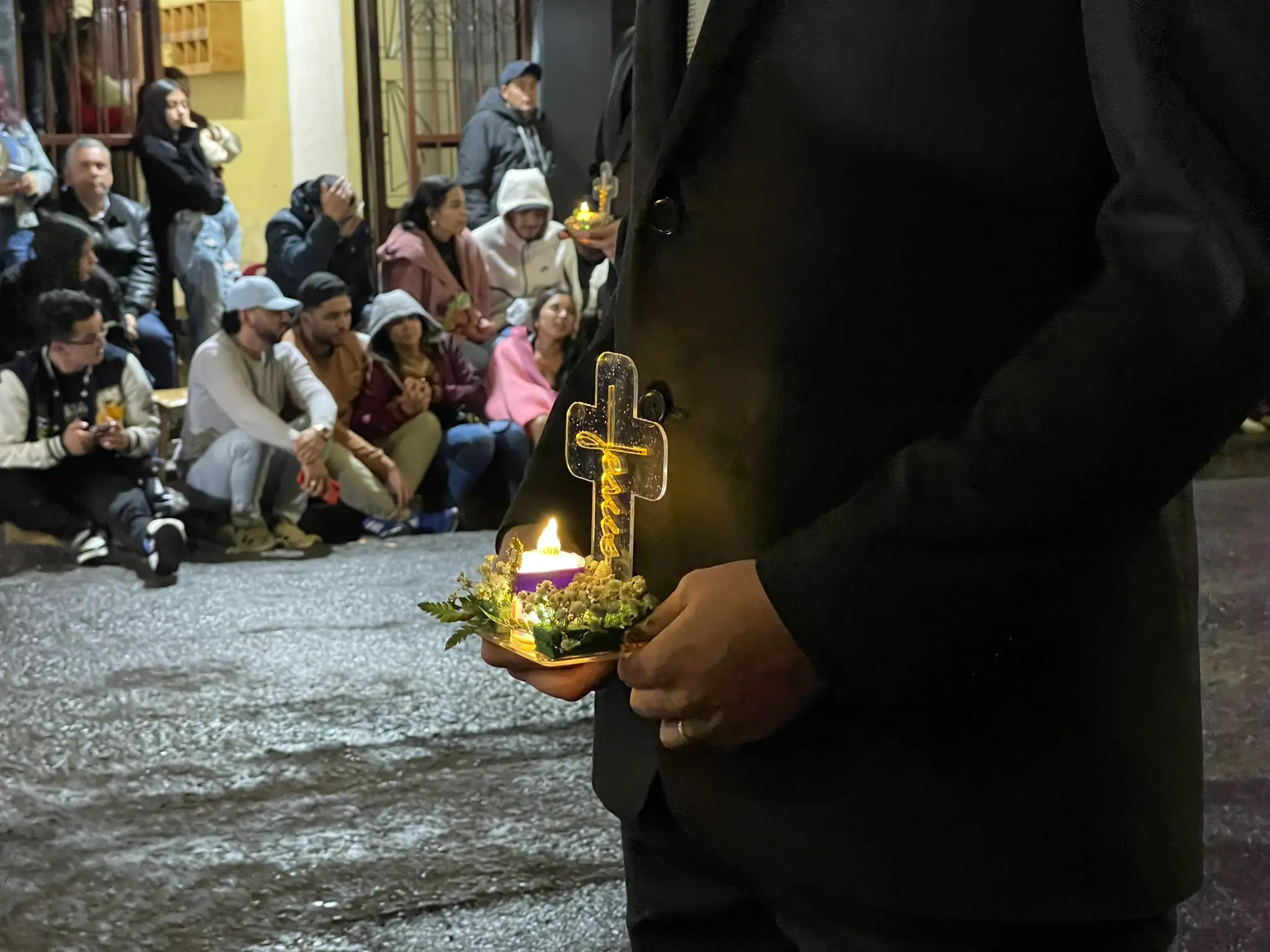
Holy Week in Pamplona: a tradition experienced through history, faith, and the mountains
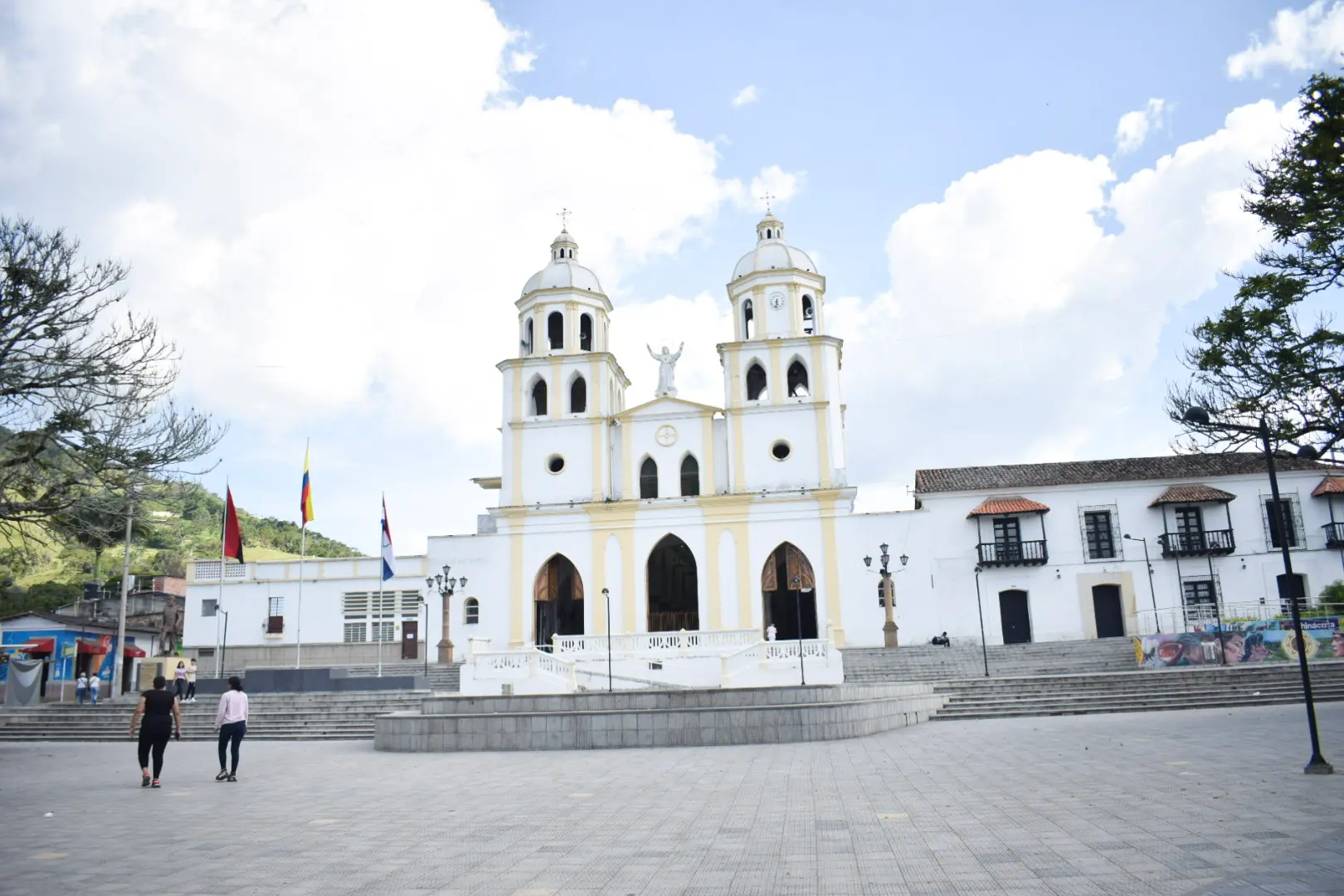
Magical routes through Norte de Santander: tourism among mountains, history, and tradition

Nature trails in Norte de Santander: mountains, rivers, and unique landscapes
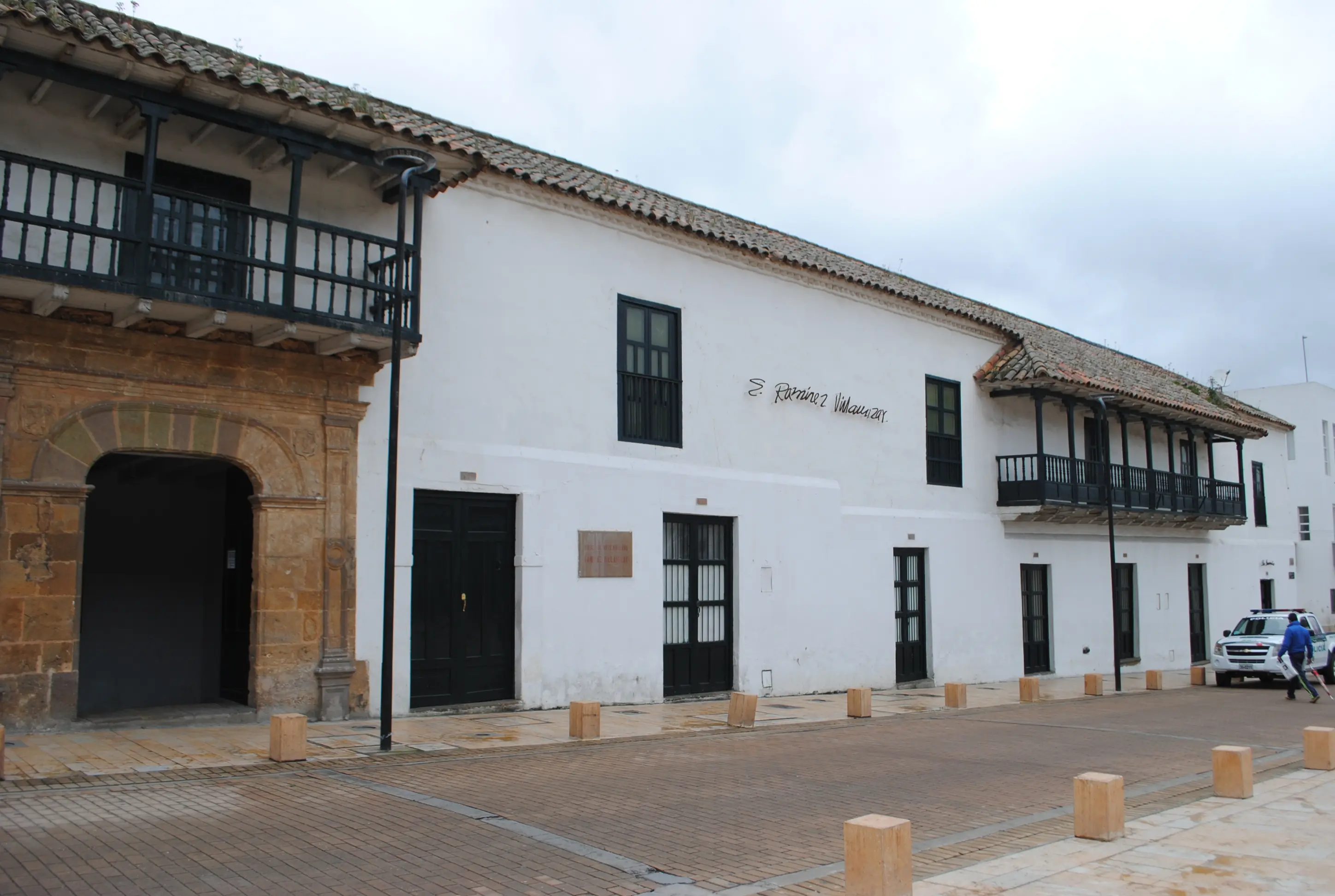
Pamplona and Chinácota: cradle of the heroes and heroines of independence
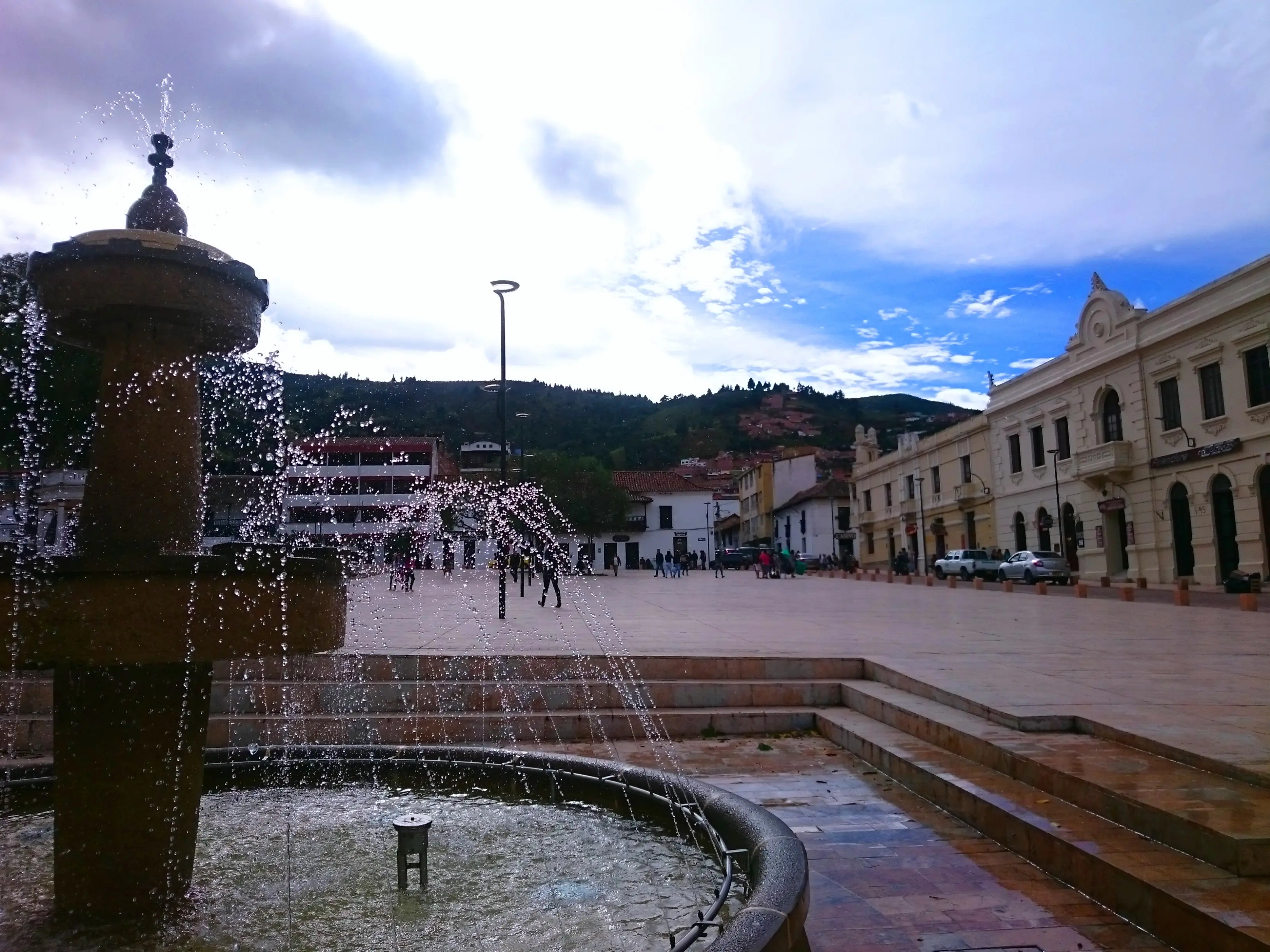
Reunions, tradition, and flavor: this is how family life is experienced in the mountains
.webp)
Plans for couples or families: unforgettable getaways in Pamplona and Chinácota

High-Altitude Flavors: Pamplonese Cuisine and Mother's Day Celebrations at Hotel Cariongo

Easter Week in Pamplona

HOLY WEEK IN PAMPLONA: A FESTIVAL OF EMOTION AND TRADITION

Holy Week in Pamplona: Intangible Cultural Heritage of the Nation

Pamplona 2024 Tourist Calendar

Eduardo Ramirez Villamizar Museum of Modern Art in Pamplona

Intangible Cultural Heritage of the nation

More than just a place to sleep: the true value of a great hotel experience
.webp)
The Cúcuta mom: a celebration that doesn't fit into a single Sunday
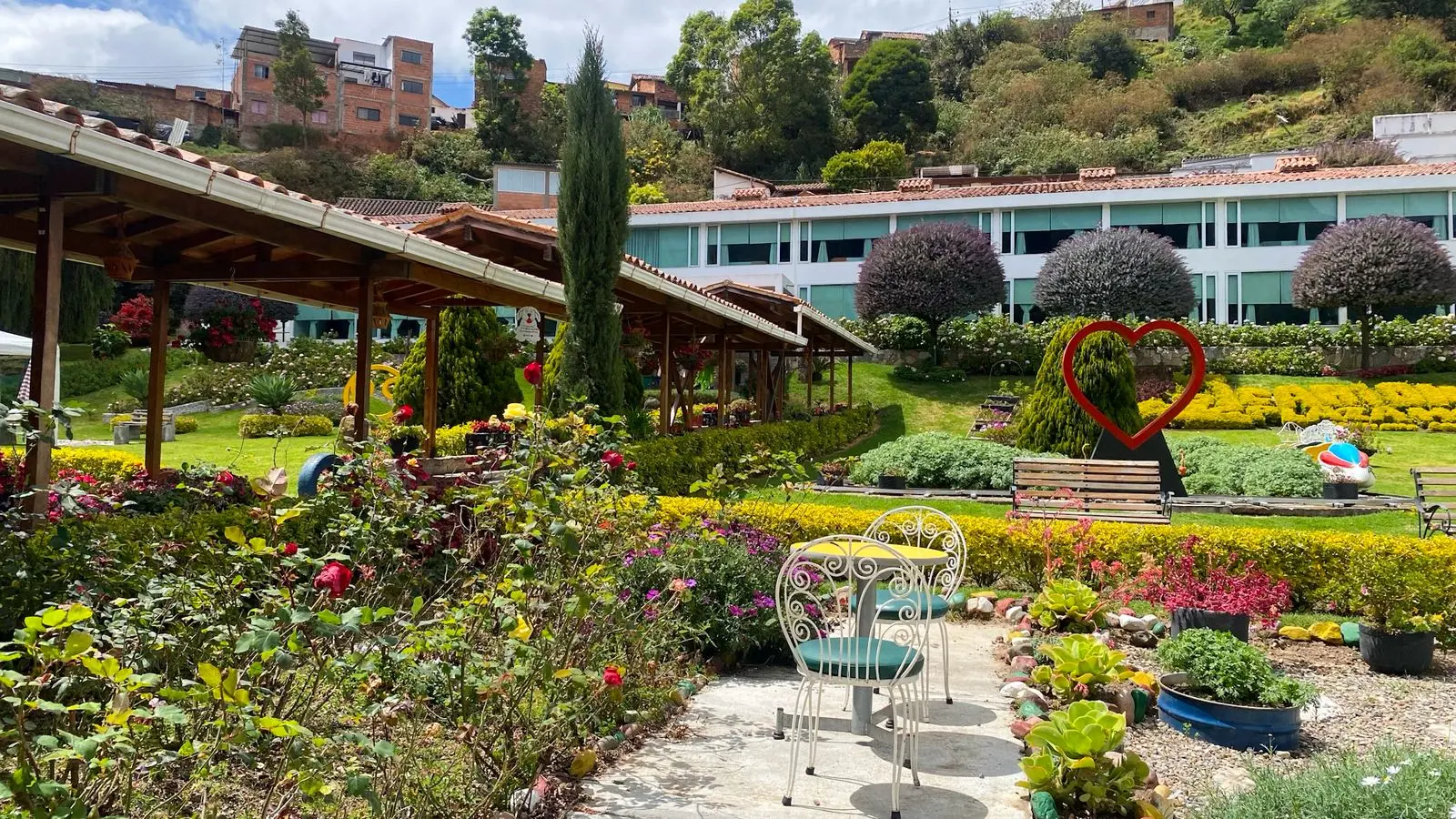
Women Who Travel, Women Who Inspire
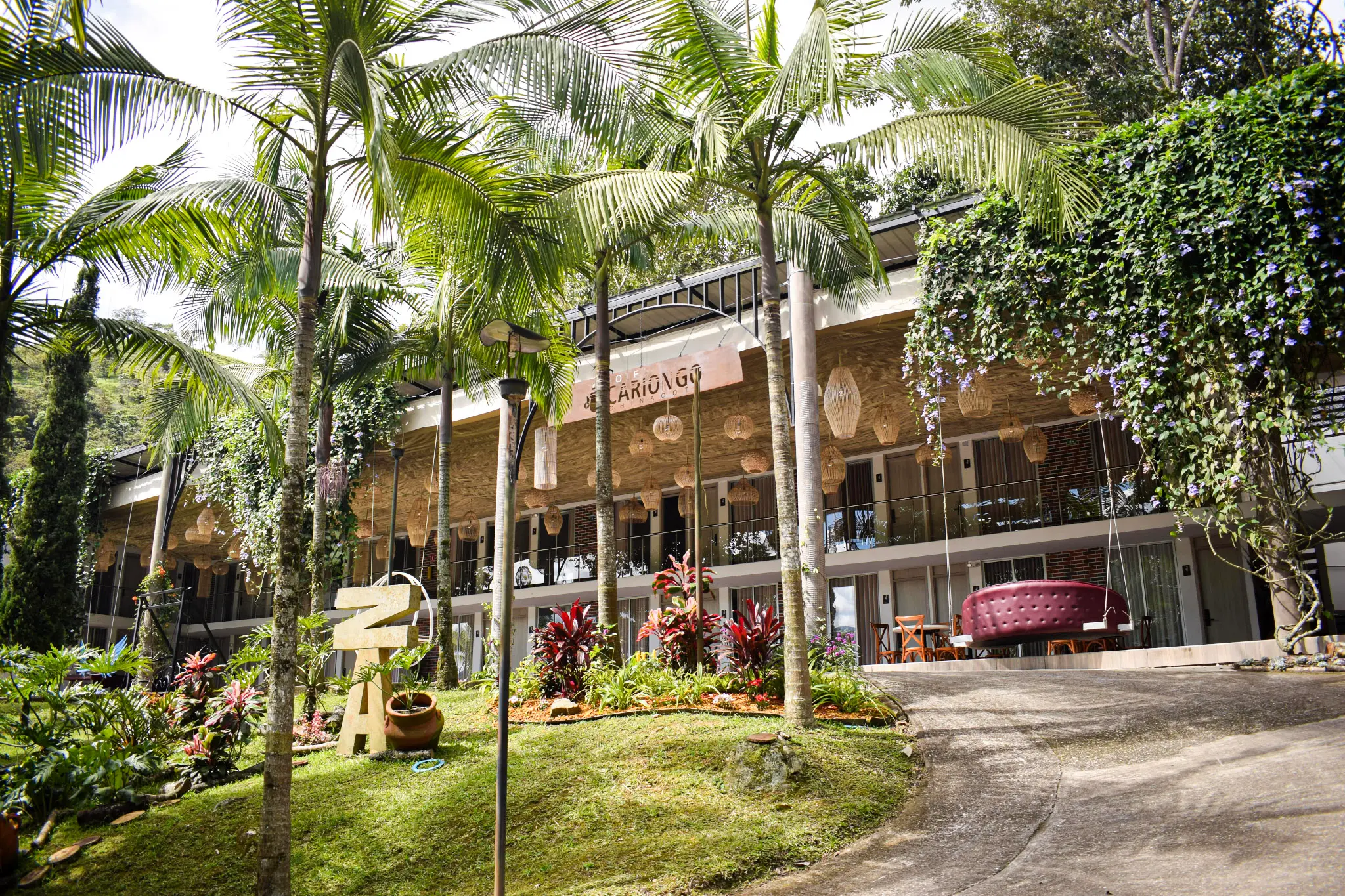
March: traveling is also a way to celebrate women
February among traditions: experiencing Pamplona and Chinácota like a local
New Year Getaways: Reconnect, rest, and breathe
Legends and traditions of Norte de Santander: stories that live in the mountains
The traditional gastronomy of Pamplona and Chinácota: a journey of flavors
Connecting festivals: music, dance, and gatherings in the towns of Norte de Santander

A July of devotion and celebration: The Virgin of Carmen in Norte de Santander

The Wonders of Pamplona at Christmas

A tourist epicenter of Colombia

Stories of Pamplona, our epic town
.webp)
Five spots in Pamplona and Chinácota that change throughout the day
Behind a great stay: everything that happens before you open your room door
.webp)
Chinácota: a destination to be discovered at your own pace
January: the perfect month to start the year in peace among the mountains
Ending the year in the mountains: a different way to experience December 31st in Norte de Santander
.webp)
December: the perfect month to pause and travel at your own pace

Where to spend the best vacation in November
Among mountains and fresh breezes: November, the perfect month to unplug in Pamplona and Chinácota
.webp)
The architectural and cultural heritage of Pamplona: living history in every street

Between Mountains and Traditions: Holy Week, Pamplona 2025

Discover Chitarero Restaurant

In February, Pamplona Celebrates Love with Valentine's Day

The Best Restaurant in Pamplona
August is the time to see Norte de Santander through new eyes: experiences that go beyond the destination
December 24th: A Christmas to experience slowly among mountains and traditions
Camilo Daza: the visionary who led Norte de Santander to conquer the sky
ANATO COLOMBIA 2024